

Me and my Dad take it easy exploring Europe’s oldest lake and surrounding villages. A slower-paced trip for once. June 2026.
This is my first ever visit to the landlocked country of North Macedonia, although it has long been on my bucket list.
Prior to independence in 1991 the country was one of the six former republics of Yugoslavia. Blessedly, it was spared the atrocities of the 1990s Balkan wars. In fact, North Macedonia was the only ex-Yugoslav republic that was able to secede largely non-violently from the federation. It was of course indirectly impacted by the troubles, not least through the migration of around 500,000 Kosova Albanian refugees that entered the country during the 1990s.
Naming controversies lingered for 30 years post-independence. Greece doggedly resisted the sole use of the word Macedonia on account of the ancient Hellenic kingdom of Macedonia that retains much wider reach and meaning. It took until 2018 and the Prespa Agreement to reach the compromise title of North Macedonia.
Lake Ohrid is at the south-west tip of the country and is estimated to be between 1.3 and 2.0 million years old, making it one of the few ancient lakes in the world. In recognition of its natural and cultural significance, the lake itself was designated a UNESCO World Heritage Site in 1979, with the designation extended to include the main town/city of Ohrid in 1980.
About a third of the lake sits in Albania so it is proper border territory round here. Many of the local communities are a mix of Orthodox Christian and Sunni Muslim (mainly drawn from ethnic Albanian, Turk, Bosniak and Roma families). Our plan is to get round the whole lake and see as many of these towns and villages as possible, including a quick trip into Albania.
Radozhda
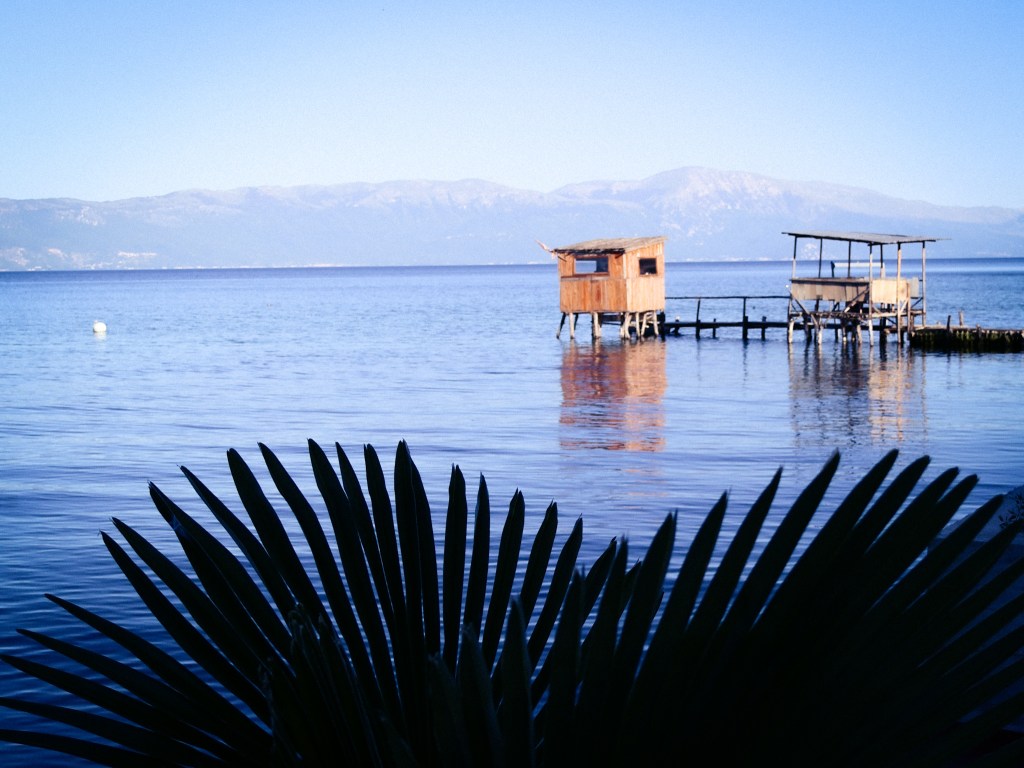
We spent our first night in the sleepy little village of Radozhda on the western side of the lake. This is effectively a one street settlement where local fishermen outnumber tourists – at least that was the case when we there in mid-June.
It was a good place to get acclimatized. Both lunch and dinner were at the superb Dva Bisera fish restaurant which sits on stilts above the water and gave us our first taste of grilled Ohrid trout. The local trout is very similar to brown trout but is in fact a distinct species and a culinary speciality in both Macedonia and Albania. Fishing for Ohrid trout is subject to strict regulations with licenses restricted to a handful of locals to protect the species in the wake of diminishing numbers.


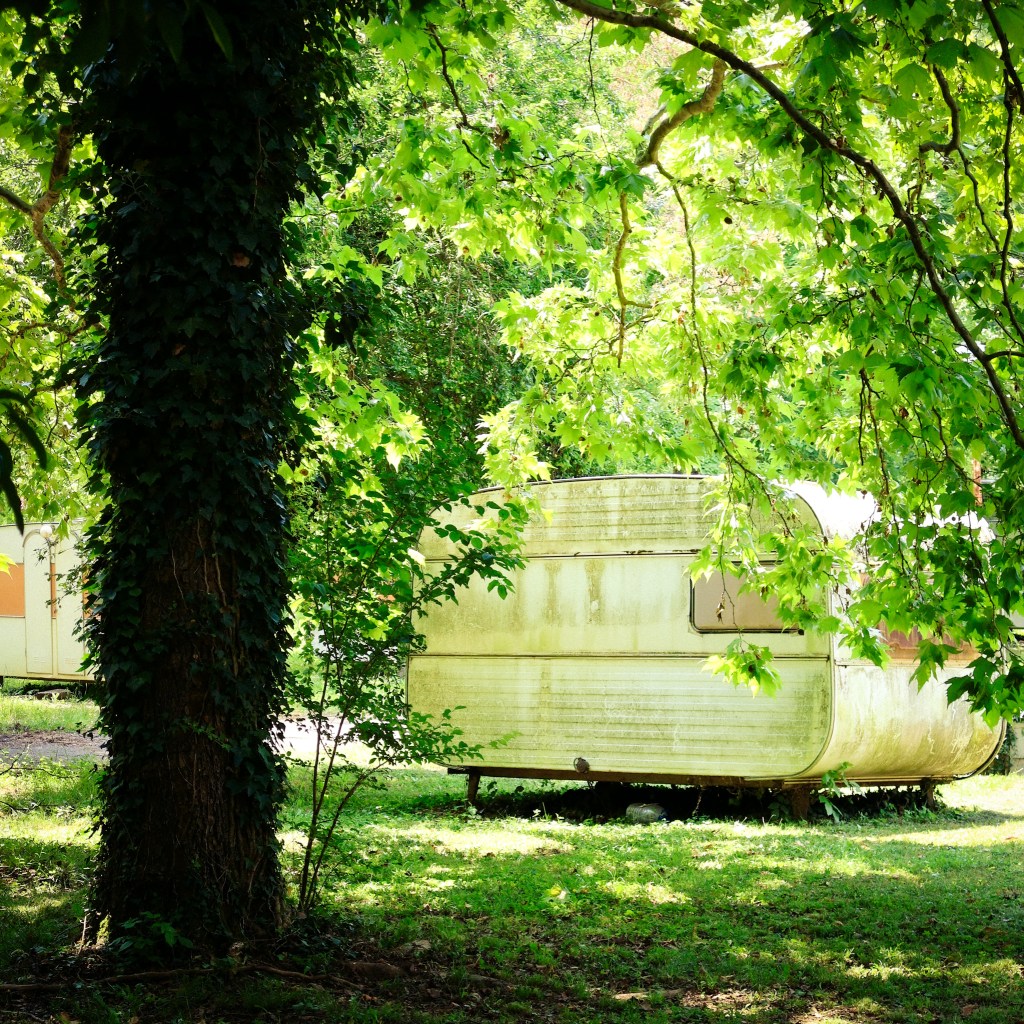
Radozhda is the last village on the western side of the lake before the Albanian border, and we walked the 2km to a somewhat eery crossing point and an abandoned campsite. We didn’t cross into Albania here, saving that for later in the week. If we had passed over here then the tiny Albanian lakeside village of Lin, visible from where we stood, sounds a gem. We met a Swedish couple who were walking round the lake over the course of a week and they raved about Lin.
Struga, including Vevcani
Next up was the town of Struga at the northern tip of the lake, where we spent two nights at the excellent Villa Europa.
The main focal point in Struga is the Black Drin river that flows out of the lake, eventually leading into Albania. In the town centre the river is heavily landscaped with upper and lower tier walkways full of restaurants and bars. This is a great place for strolling or sitting with a drink and watching daredevil kids jump off the many bridges.
Struga has the feel of a working town, and we enjoyed getting away from the river walkways and exploring other parts. The area around the historic covered food market in particular is a nice place to get coffee and mix with locals.

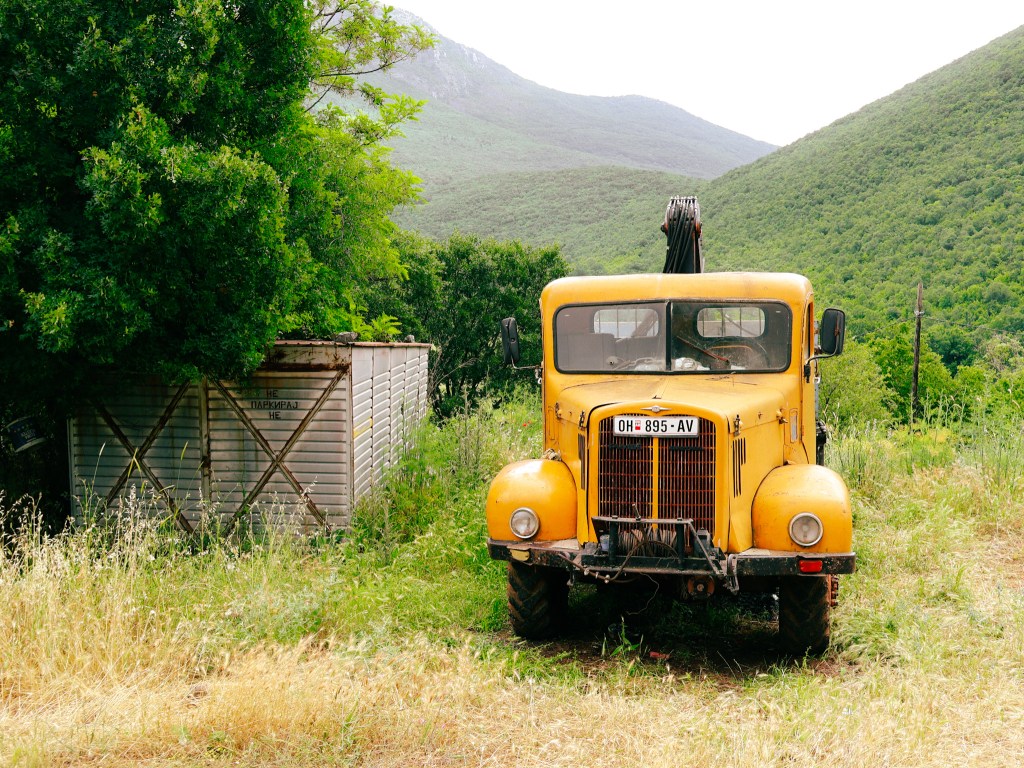
We used our stay in Struga to take a day trip to the hillside village of Vevcani. It took us about 30 minutes in a taxi to get there and we got the bus back. The village is located at the foot of the Jablanica mountain and is home to the famous Vevcani Springs. The somewhat irreverent residents, numbering just 2,000, have repeatedly attempted to declare independence over the years. In 1991, Vevcani proclaimed itself to be an independent republic just 11 days after the former Yugoslav republic had itself declared independence! We had a fab time up here.
Trpejca, including Tushemisht
After Struga, we travelled to the opposite end of the lake and the beautiful cove of Trpejca. Cars have to park at the top of the village with the majority of the settlement consisting of an old network of narrow, and very steep, walkways down to the lake.
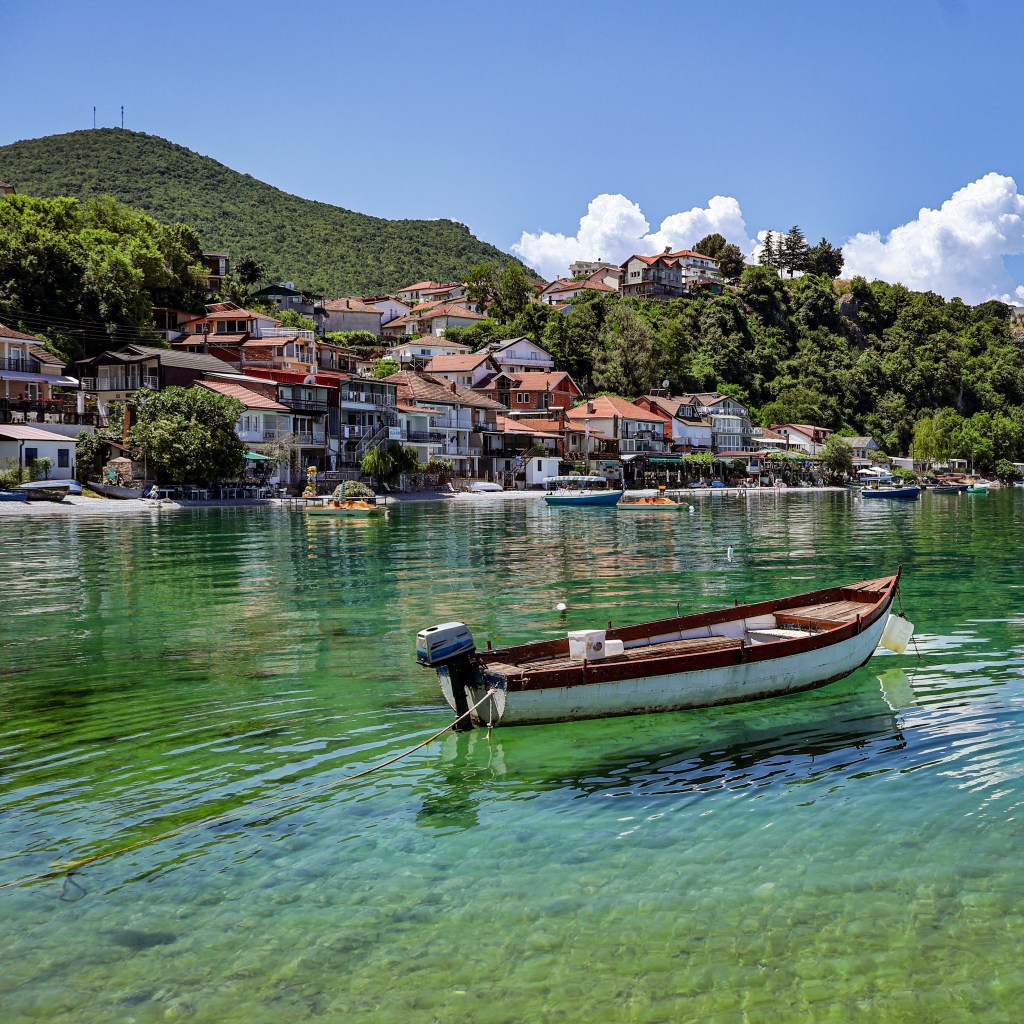
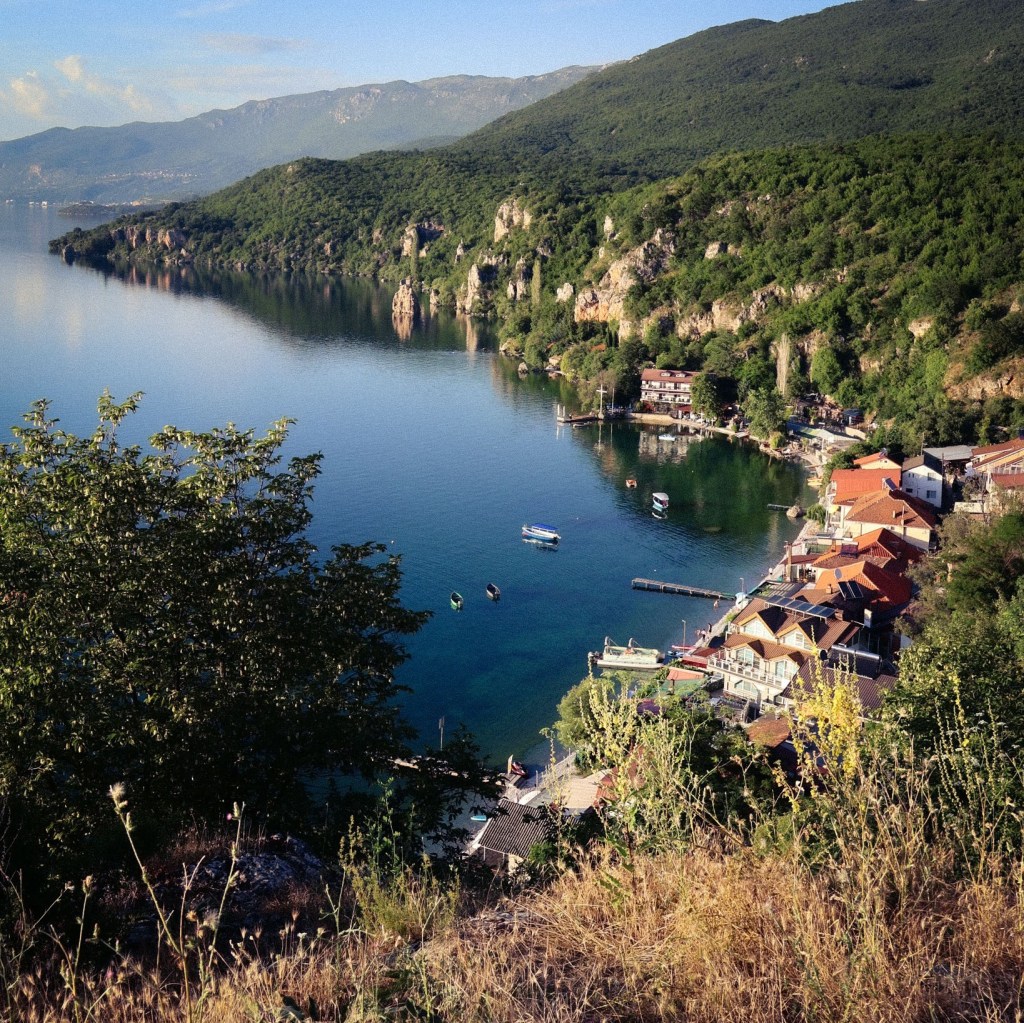
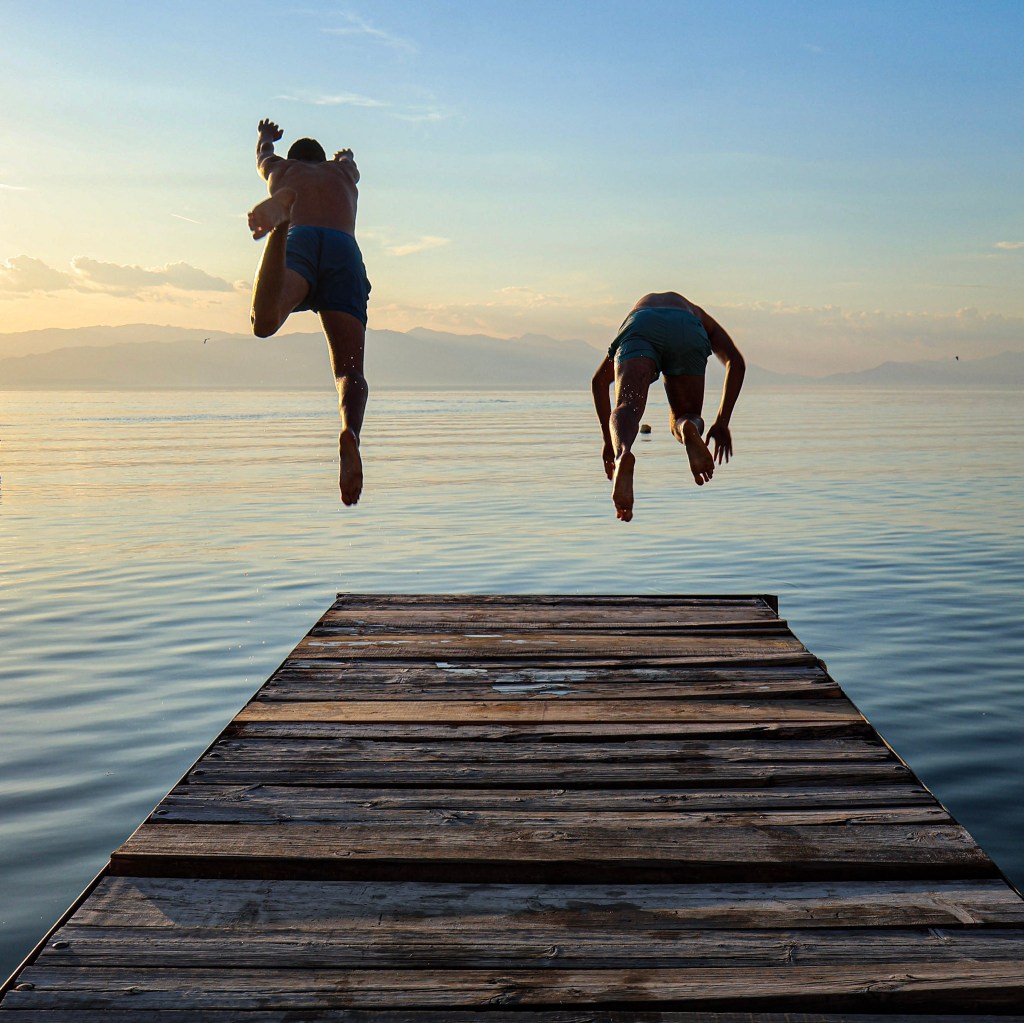
This is a place to chill out and is a top spot for swimming. In fact, the whole of the lake comprises superb places to swim/snorkel/paddleboard with hundreds of little beaches and coves. The water was plenty warm enough and crystal clear.
Our two evenings in Trpejca are spent watching the sunset with the water at our feet. There is no waterfront path or walkway here. It is basically just 50 or so houses/bars and restaurants that have steps directly down to a narrow strip of shingle and the lake. We had dinner both nights at the excellent Kaj Dedo Gjore restaurant, operated by two very charming brothers.

We also took a day trip to Albania from here, specifically the lakeside village of Tushemisht. The logistics were a little testing: bus to the last settlement on the North Macedonia side (St Naum), followed by a 20-minute walk through an abandoned military campsite, then two passport check points and then finally a taxi. It was worth it though. We spent two hours at another restaurant-on-stilts – Restaurant Dallga – and then wandered through the tranquil Drilon National Park on the edge of the village.
Ohrid
Our final two nights were in the city of Ohrid, where there was a very different feel. It was far busier here than anywhere else we had been and with lots more international tourists.
It was busy for a reason. Ohrid is one of Europe’s oldest continuously inhabited cities, with a rich history spanning from ancient Greek and Roman times that many flock to see. The city is renowned for its circa 200 historic churches, and for its Byzantine-style monasteries dating from the 11th to 14th centuries. The Old Town features a maze of narrow, cobbled streets lined with traditional red-tiled houses, most of which have been beautifully preserved.
We found a lovely place to stay. Villa Saray is a little old house with rooms run by a 75-year-old woman and her husband. At the top of some steep steps in the Old Town, the house/garden provided great views of Ohrid’s impressive promenade and harbour area. I think it last had a refurb in the 80s, with towels and bedspreads also from that era, all of which added to the charm.

Some of best food we found in Ohrid was in the Turkish Old Bazaar area, one of the few remaining “Charshija” districts on the Balkans, dating back to the time of the Ottoman Empire. Particular shout out to the no-frills Gostilnica Neim – great grilled meats and stews.
I got some decent beer in Ohrid as well. Head to Pub & Pivnica Sokak near to St. Clement of Ohrid City Square for a wide array of craft beers, especially those from the Bitola-based BAK brewery. Near the promenade there was also a Paulaner beer garden with big TV screens. I’m not sure if this was a regular annual fixture or a World Cup pop-up. Either way it was a winner with three different types of Paulaner on draft and further options in cans.

Overall
This was a great trip, made even better by our decision to tour around the lake and stay in a few different places. The various towns and villages are all very distinct – ranging from Ohrid with its established visitor infrastructure to far more basic places like Radozhda.
June was a lovely time to go, nice temperatures and plenty of sun and nowhere felt overly busy. The flights to the tiny Ohrid airport from the UK are relatively few and far between. We went on the weekly Manchester flight with TUI – Sunday to Sunday. There is also one weekly Gatwick flight from the UK.
It was easy to get around via a mix of buses and reasonably priced taxis. That said, the buses are not well advertised and you will need to do a bit of searching/speaking to people for timetables.
Finally, it was lovely to travel with my Dad again (see also our trip to Athens last year). He provided good company and has amazing stamina for a 75-year-old. And he can officially drink far more Rakija than me.
 LONG TIME DEAD
Leave a comment