
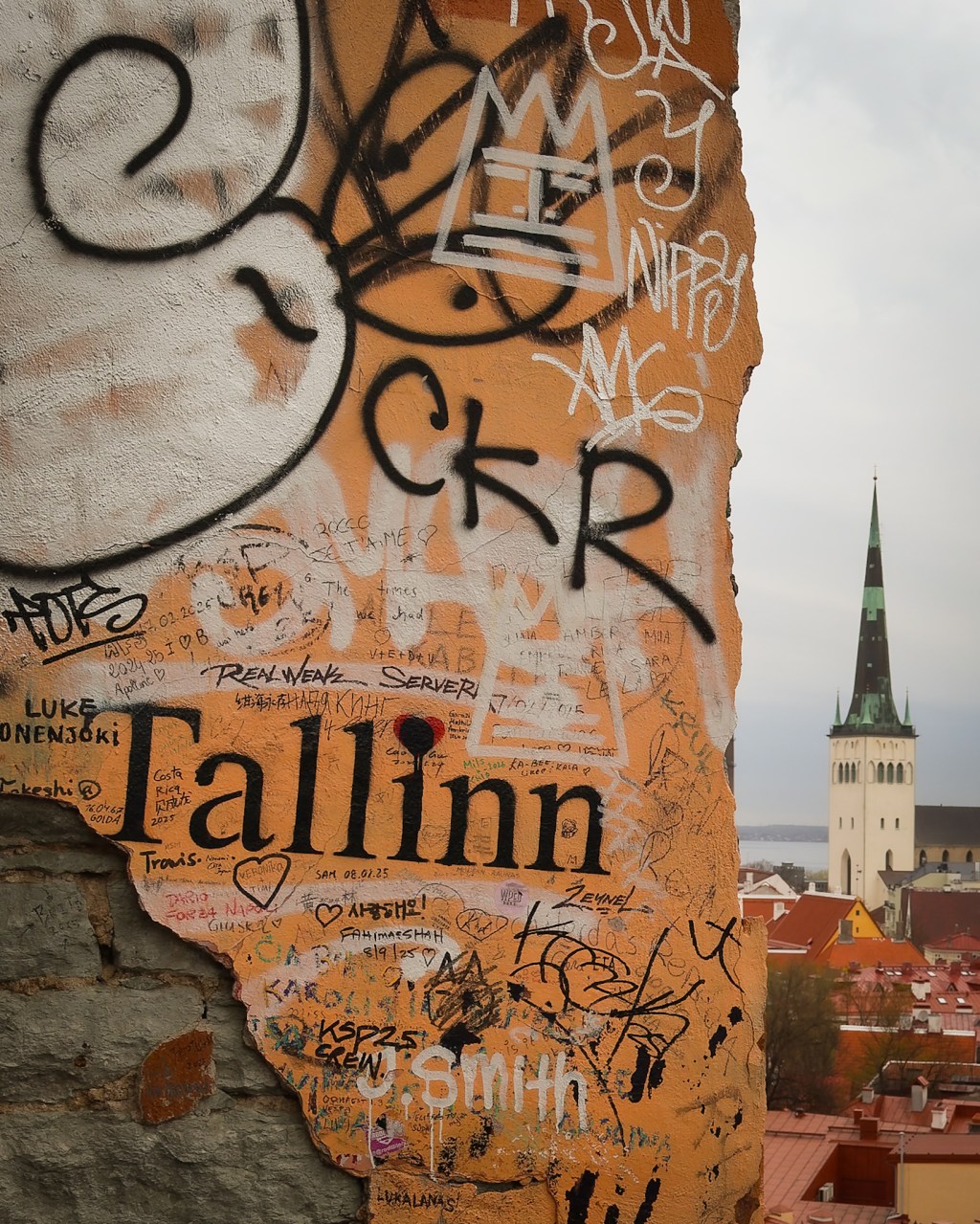

A group of five mates travel to the Estonian capital for a long weekend. May 2026.
Tallinn is Trip #4 for this collective, having previously travelled together to Sarajevo in 2025, Tirana in 2024 and Kaunas in Lithuania in 2023. Each trip has coincided with the early-May Bank Holiday weekend, with the gathering now firmly cemented as an annual event.
We have come in search of three main things:
First, we want to see and learn more about life under the Soviets from 1940 to the early 1990s. We are all into European history, modernist architecture and hearing captivating – if occasionally sombre – stories from the past.
Second, we want to soak up post-independence hipster Tallinn. Over the last 20 years or so the city has developed a good reputation for its high volume of tech start-ups and digital nomads, creative industries and the imaginative regeneration of former industrial areas.
Third, we are here for good food and drink. This means searching out local brews and local delicacies – spanning everything from the best early morning coffees to fine dining and late-night shots.
Unlike most visitors to Tallinn, the Hanseatic League old town wasn’t top of our list. We did however wander through the narrow lanes and past the old merchant houses on a couple of occasions. Turns out Tallinn old town is in fact an amazing example of a well preserved medieval urban settlement and richly deserving of its UNESCO World Heritage site status. If you don’t mind bumping into lots of other tourists, then definitely go see it.
Arrival
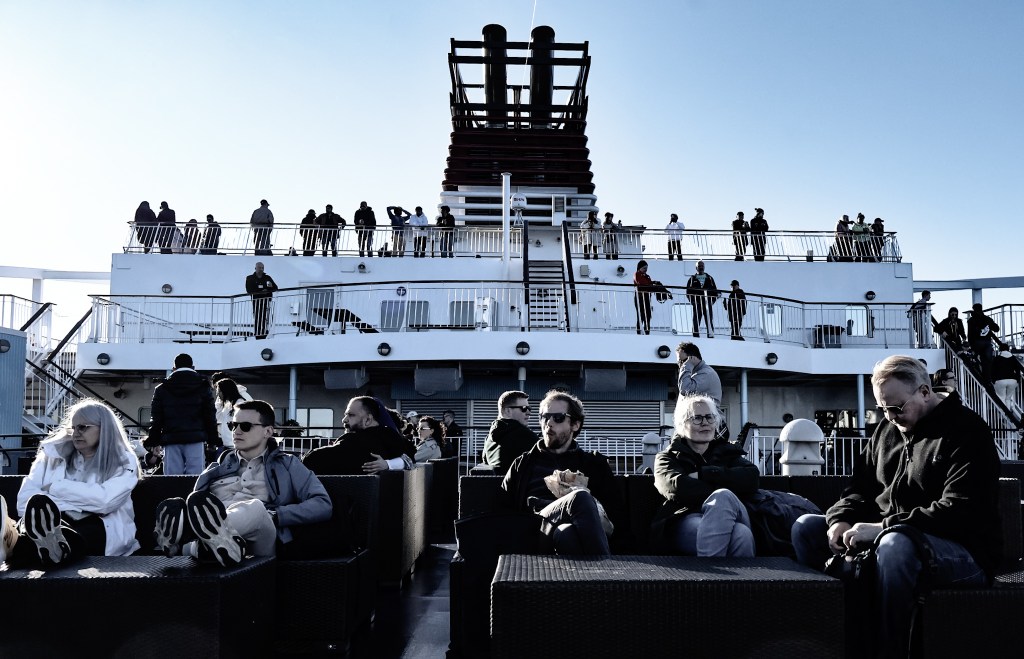
We arrive in dribs and drabs over the course of the Friday. I had spent a couple of days solo in Helsinki and arrive on the ferry. It was a cheap and pleasant two-hour journey across the Gulf of Finland and getting to Estonia via Helsinki is not a bad option. Two of my mates fly in from Manchester, one from Birmingham and one from London. It is only the London flight that is direct. If you are flying to Tallinn from the north of England, or the Midlands, you will need to change at a major hub airport like Frankfurt.
Accommodation is in a Bob W block, where we booked an apartment each. My daughter stayed in a Bob W place in Helsinki and highly recommended it. Once we got into the groove of having to use our mobiles to open each and every door throughout the building then we settled in well, and the quality and price point was great. Just don’t lose your phone if you stay here.
Exploring the Soviet Era
We launched into this with a Saturday morning Hidden Tallinn walking tour dedicated to life in the city under the Soviets. The British tour guide Tom also owns the business. Tallinn is his passion and he delivers a range of different off-beat excursions and writes a top blog. The two-hour stroll was excellent. Highlights for me were Keskturg Market (the last remaining Soviet-era market in Tallinn, built in 1947 but alas soon to be redeveloped) and the now vacant and rapidly deteriorating Linnahall (a massive brutalist structure originally built to support Tallinn’s role in the 1980 Moscow Olympics and occupying a huge 5-hectare prime city centre plot).
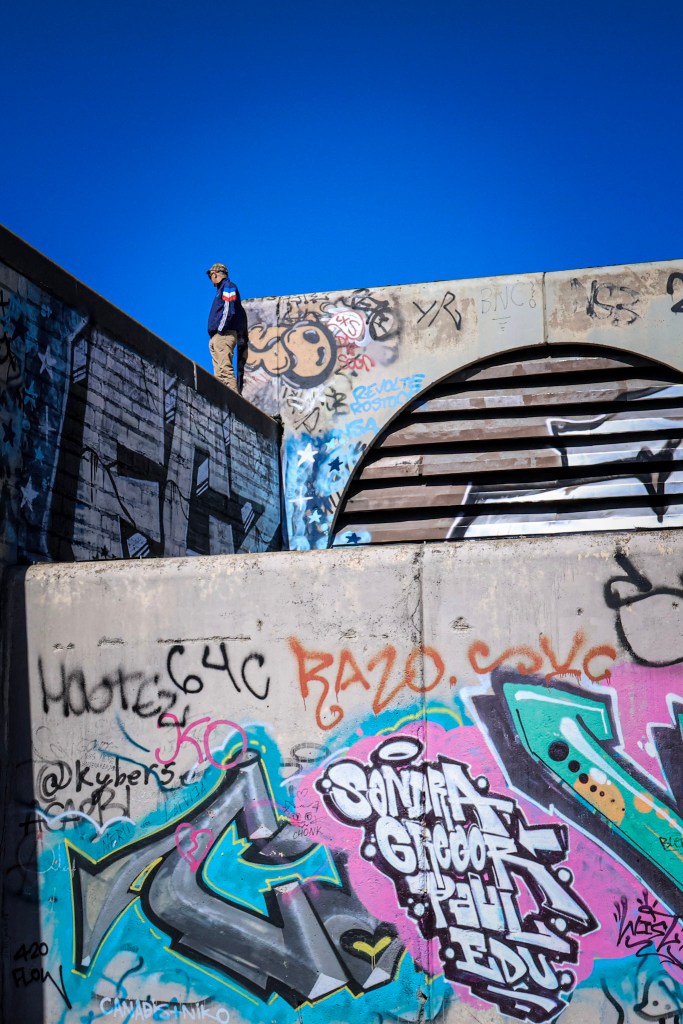
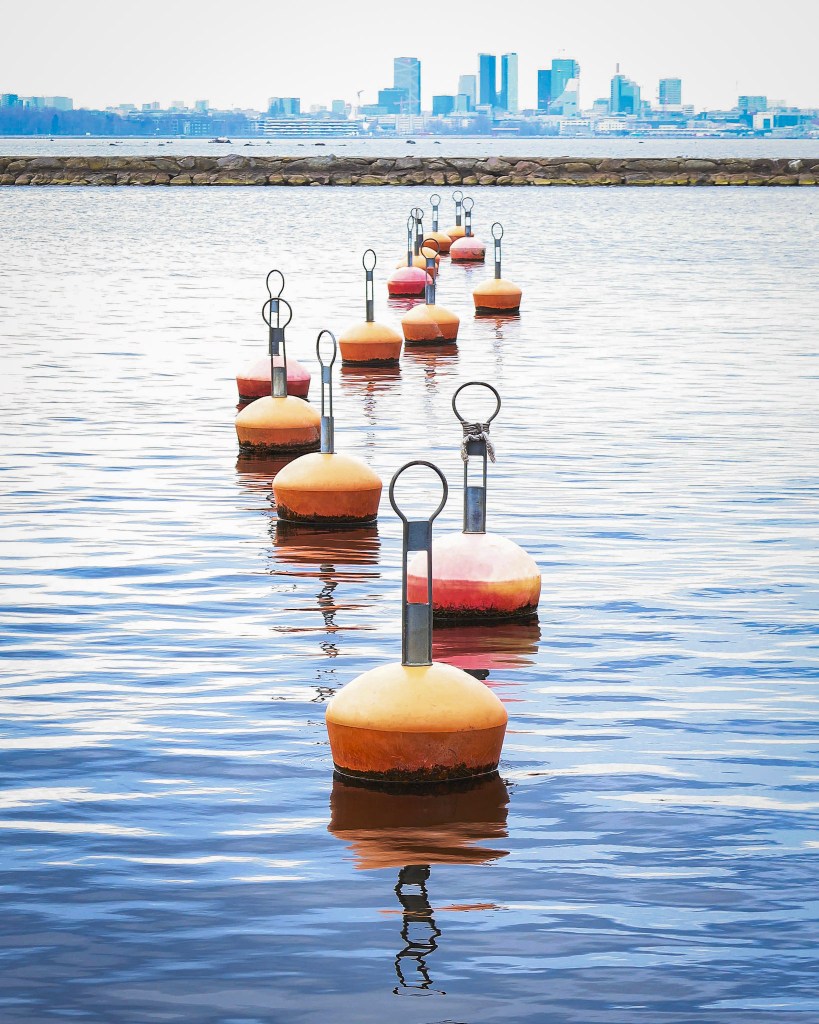
On the Sunday morning we took a bus to Pirita harbour. Inland Moscow had no suitable venue to stage the Olympic sailing events, so the task fell to Tallinn (capital of the then Estonian SSR). Pirita was where the regattas took place and there is still a fair bit of the extensive Olympics infrastructure left. Most of the buildings are now largely vacant and, as with Linnahall, it is difficult to envisage a viable future use given the size and condition of the buildings.
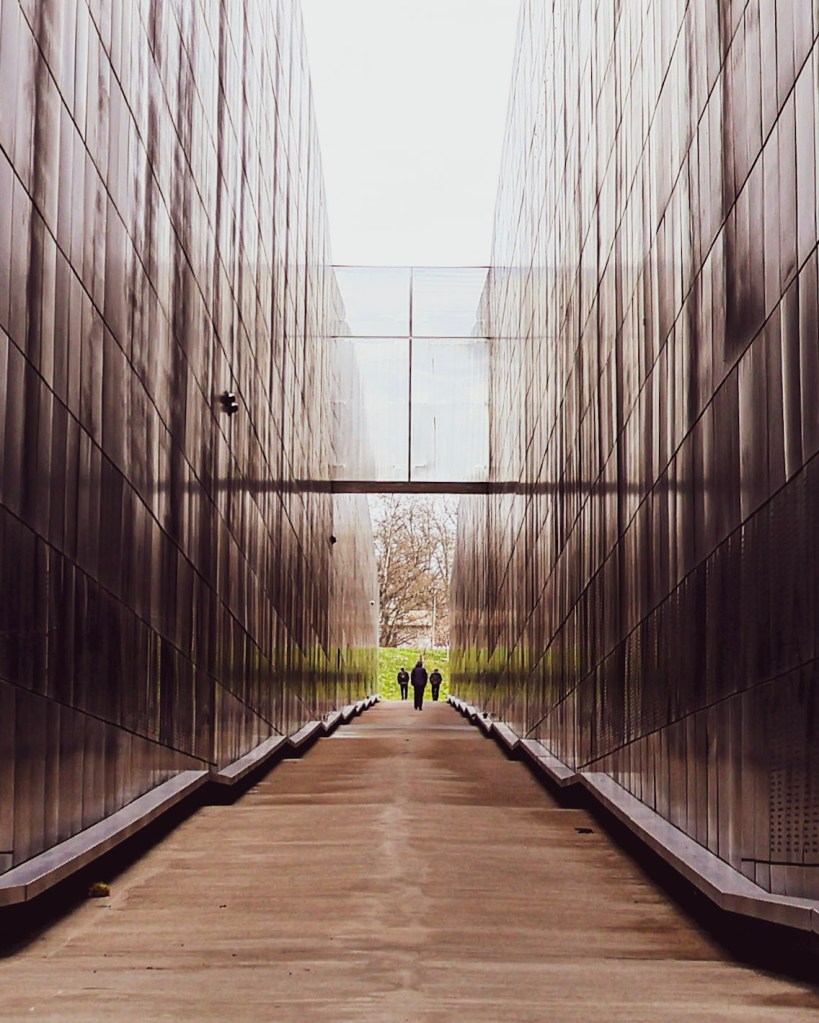
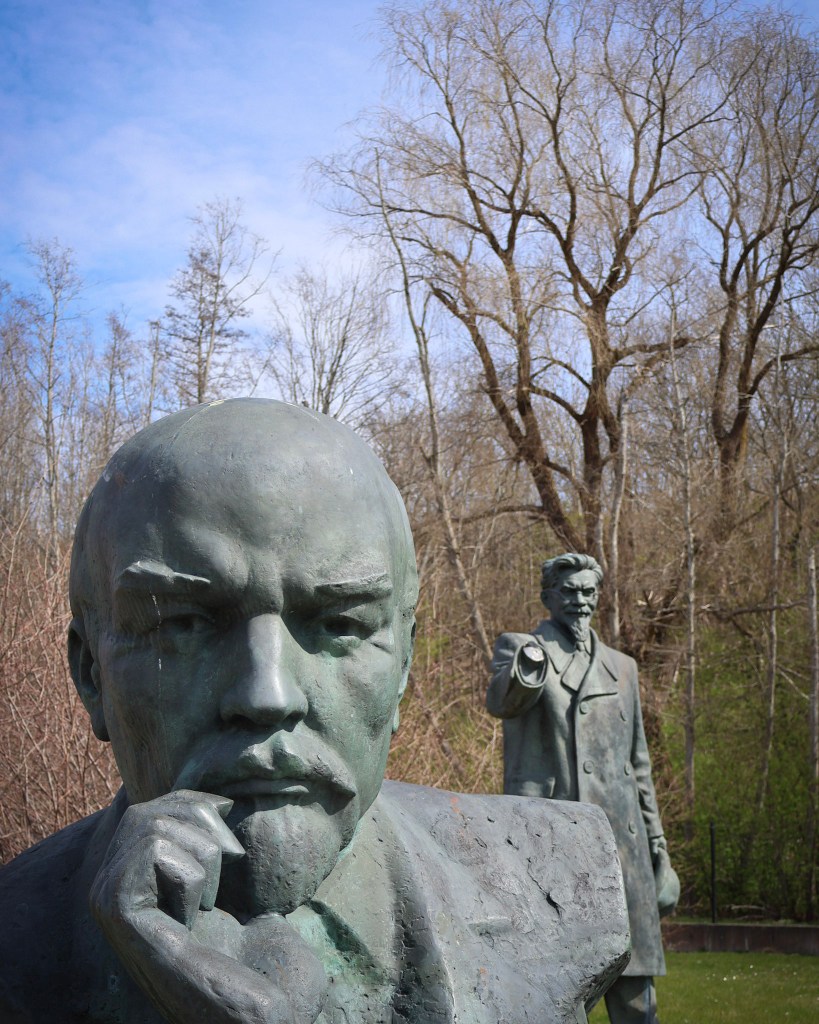
It is just a short walk from Pirita harbour to the impressive Memorial to the Victims of Communism, honouring the more than 75,000 Estonians who were murdered, imprisoned or deported between 1940 and 1991. Right next to the memorial is the Estonian History Museum. We didn’t go in the building but did visit the grounds and found tucked away at the back over 20 discarded Soviet monuments that were removed from prominent Tallinn sites in the early 90s.
The current location of the monuments probably reflects a desire amongst most Estonians to extinguish from memory those that paved the way for the Soviet occupation. That said, Estonia is a diverse place and perceptions will likely be different in the main Russian border towns like Narva where 95% of the population are native Russian speakers. If we had longer in Tallinn, then we would have taken the 2.5-hour train journey to Narva which sounds fascinating.
We also went to the KGB Museum in the high-rise Hotel Viru. Viru opened in 1972 so that the Estonian SSR could capitalise on international tourism markets and it accommodated various global dignitaries and celebrities. The hotel was of course bugged extensively and had a big team of KGB intelligence officers in residence on a secret top floor. The museum tells the story of the KGB’s inventive tactics. Just round the corner from here we found a fab, largely untouched, soviet era café – Kohvik Energia – that was straight out of the 80s.
Hip Tallinn
Tallin’s population has been increasing steadily in the last 20 years, unlike the rest of Estonia, supported by the relatively high retention of young people and an influx of new business start-ups. There were plenty of creatives on show, plenty of beards and plenty of overpriced sourdough shops.
The hipster side of Tallin is probably most evident in three former industrial areas, all of which we visited.
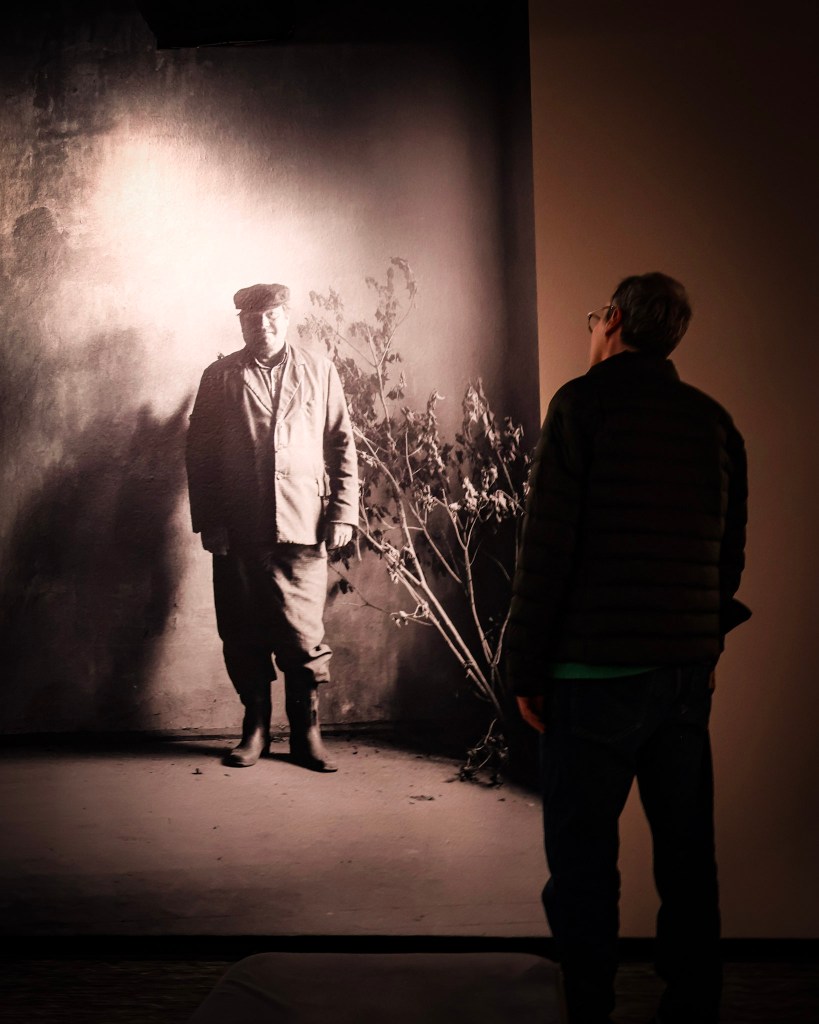
Our Bob W apartment was in the Telliskivi Creative City area. This is former railway land with the huge structures of what was the Baltic Railway Company now mostly in alternative use, alongside new build apartments and workspace. You can easily spend a half day wandering around here, or an evening. A particular shout out to the photography museum – Fotografiska – that a couple of us visited. The Balti Jaam market is also well worth a look-see.
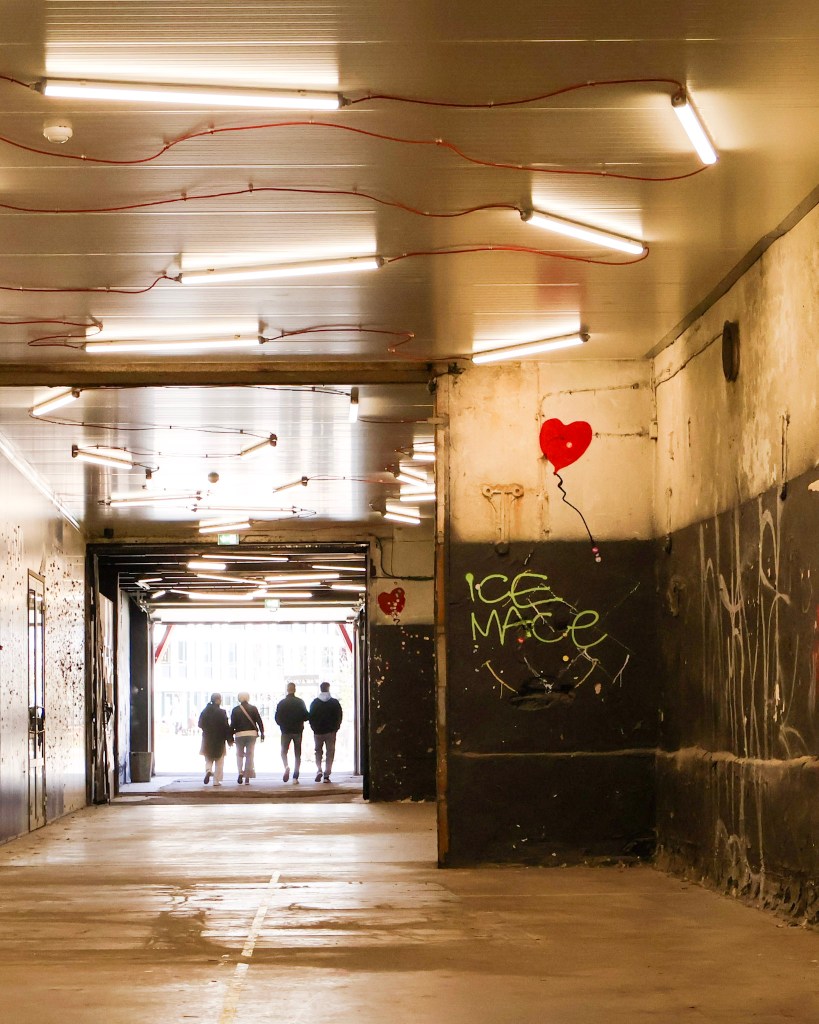
A short hop from Telliskivi, through the old wooden houses of Kalamaja, is Noblessner. Submarine manufacturing was what made this area famous back in the day, with a good proportion of the building stock retained and reimagined. The waterfront area is home to several arts venues and performance spaces and there are tons of places to just sit and relax. The Pohjala Brewery and taproom is a must visit.
We also visited Kopli which is about 3km north-east of the city centre. This is all former shipbuilding yards and barracks, and in the 90s had a reputation for crime and peripherality. It is now a major renewal area. Head for the Kopli Birch Park and wander off 200m in each direction – you will find loads of studios, bars and waterfront vantage points.
Getting around these various areas on trams and buses was super easy. We just did Tap & Go at a flat rate of 2 euros per journey. We also took the occasional Uber which were exceptionally cheap.
Food and Drink
Telliskivi was our base for morning coffees and breakfasts and there were plenty of places to choose from. Our two favourites were the Reval Cafe and Nihe Kohvik.
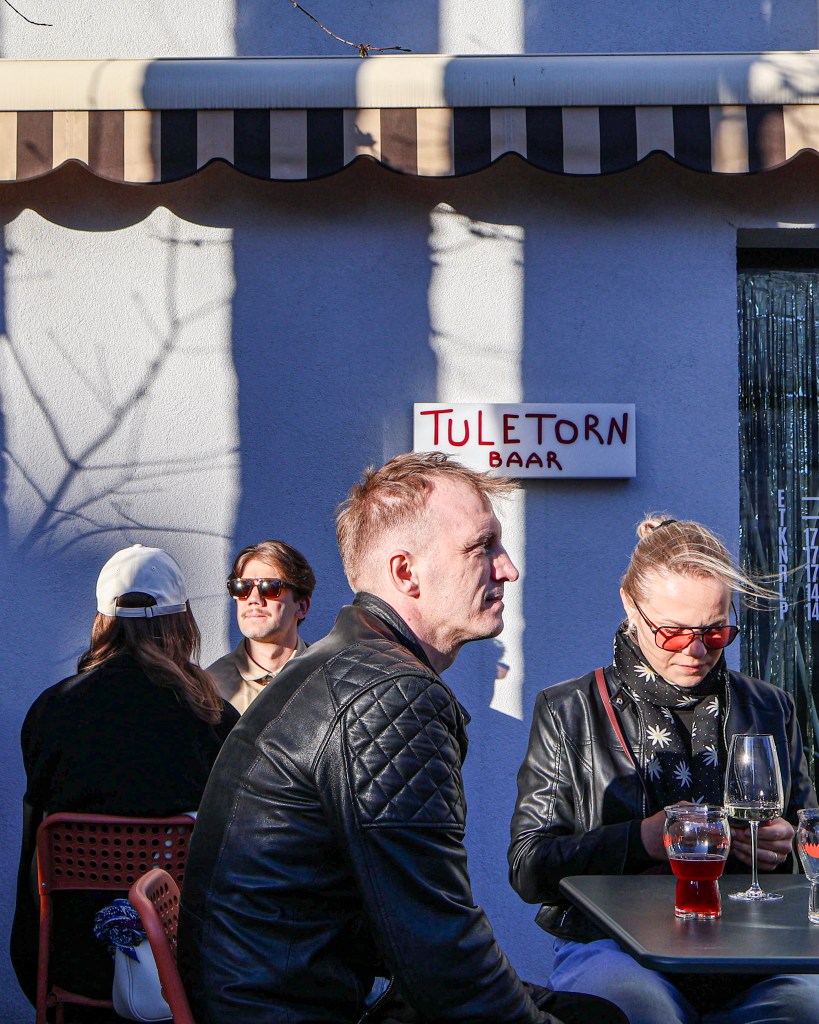
The Tallinn beer scene is pretty decent. The Pohjala Brewery and tap room in Noblessner (see above and below) is probably the most noteworthy and the same guys run the Pohja Konn tap room in Telliskivi which we went to twice. My favourite beer place however was the small Tuletorn micro-brewery and taproom in Kopli. We found ourselves in the Hell Hunt pub in the old town on our final evening and that was also a winner, with loads of craft ale on offer.
Our evening meals were all excellent:
Dinner on Night 1 was at Restoran Pegasus based on a recommendation my mate got. The two-fish soup for starters was superb and we ended up eating a lot of pike-perch (aka zander) on this trip. The thing I remember most about this place was the sweet warm rye bread with full fat salty butter. Up there with the best bread I’ve ever had.
Dinner on Night 2 was at the Pohjala Brewery. The food in the brewery majors on Texan-style smoked BBQ meats, packed full of flavour and the perfect accompaniment to our beers.
We saved the best to last and went to Vaike Rataskaevu on Night 3. The food in here was top class, as was my 6% Estonian honey beer. I had a very delicate three-cheese filo pie for starters followed by elk for my main. Elk is widely hunted and eaten in Estonia, and is very similar to beef in taste and texture.
In Summary
We all really enjoyed Tallinn. It has got a bit of everything for a long weekend: fab medieval old town, hip regeneration districts with a youthful vibe and stacks of history and waterfront to explore.
I would easily come again, and the trip has furthered my appetite for seeing more of Estonia.
Prices were very reasonable for a capital city. I’m sure Tallinn is expensive by Estonian standards but compared to the UK (and indeed my few days in Helsinki) my money seemed to go a long way.
We enjoyed some great early May weather but were apparently very lucky. We were told our arrival coincided with the first genuinely warm spell of the year. I quite fancy Tallinn in the summer with July boasting about 18 hours of daylight per day and average temperatures in the early 20s.
It was amazing to spend time with these boys again. Four trips now, all full of fun, laughter and good chats. The early betting is on Ljubljana for 2027.


Leave a Reply