
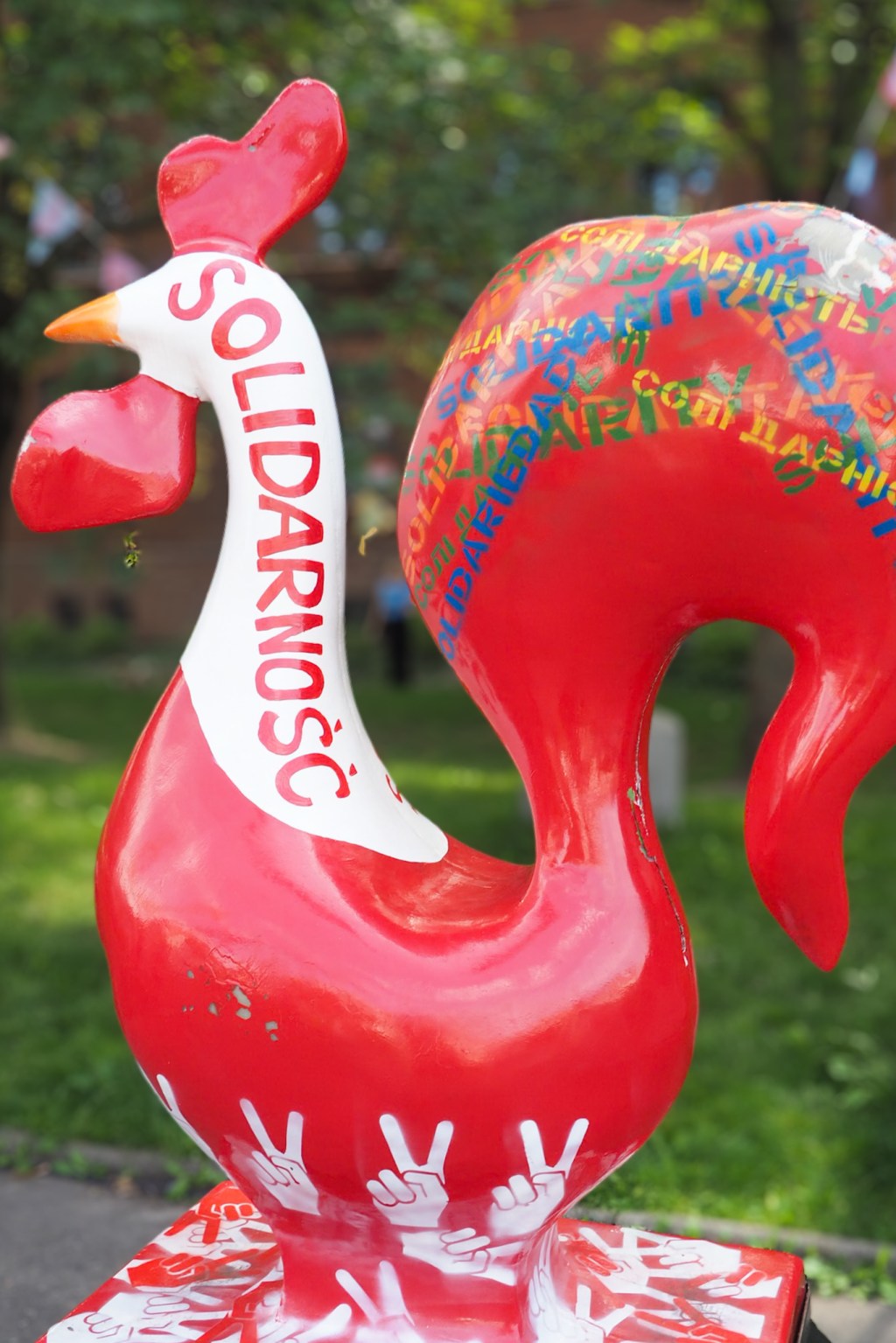

An impromptu four-day break – with adult kids – in the historic Polish port city of Gdansk, August 2025.
As July came to a close, we realised there was a weekend gap in our calendar where the family were free. The kids, now approaching their mid-20s, have their own schedule of priorities, but the whiff of a possible “mum & dad all-inclusive” was a no-brainer. I made a token effort to set us up with the bill-sharing app Splitwise, but this just became my own private record of my essential holiday job!
If I was paying, I was going to make sure we went somewhere that worked for me. In keeping with the AI-vogue of 2025, I probed CoPilot for tips – a bit of history, some sun, and something eastwards that had direct flights from Manchester. It quickly became a choice between Warsaw and Gdansk. The potential for a day at a Baltic beach swung it.
This was a first trip to Poland for me. Prior to the end of World War 2, it would have been another trip to Germany but therein lies the essential reason to see, what was then known as, Danzig.
Growing up in the 80s, Gdansk to me meant shipyards, Solidarity and Lech Walesa’s moustache. But there is much more. The old centre of Gdansk is a truly wonderful delight of cobbled streets, grand mercantile mansions and historic port buildings. Along with its near neighbours of Gdynia and Sopot, the city has been a major gateway to the Baltic serving the Pomeranian region, playing a critical part in Hanseatic trade and Polish industrialisation.
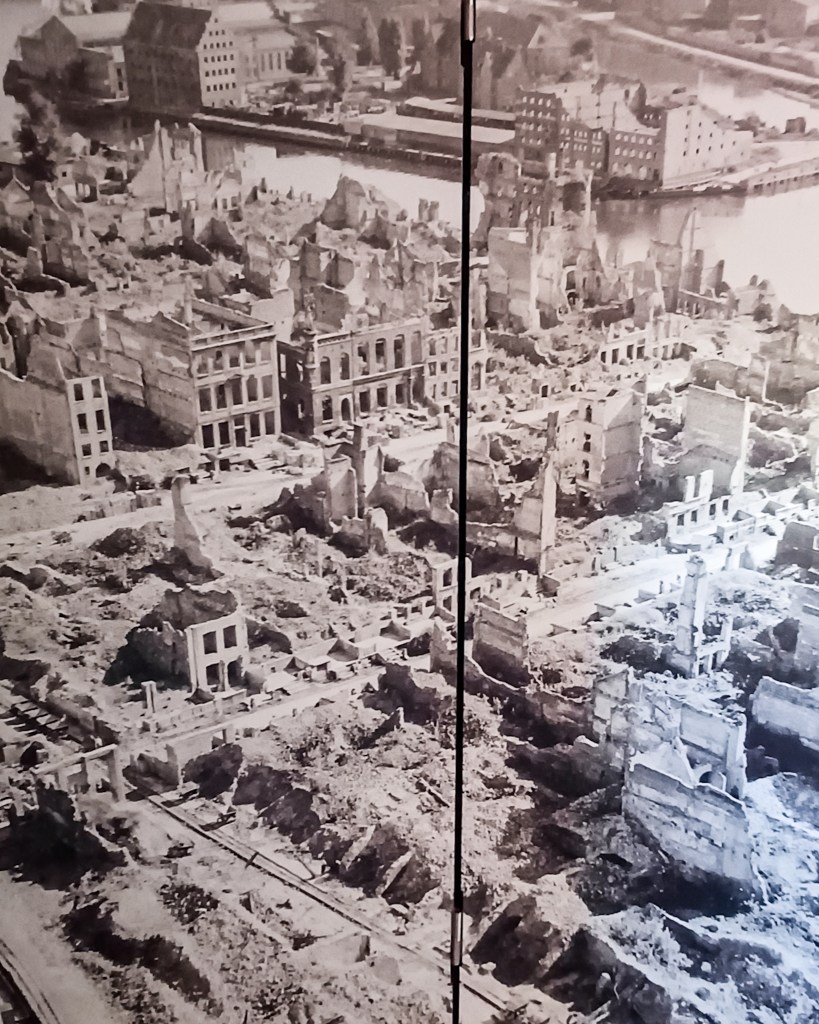
We spent too long wondering how so much of the city had survived WW2, until we saw aerial footage from 1946 showing what little remained. Despite the post-war Soviet-era privations, large parts of the city were faithfully rebuilt through the 1950s and 1960s, which is now being taken further forward off the back of Poland’s recent economic growth. If recent trends continue, Poland’s GDP per capita could catch up with the UK in the next 20 years.
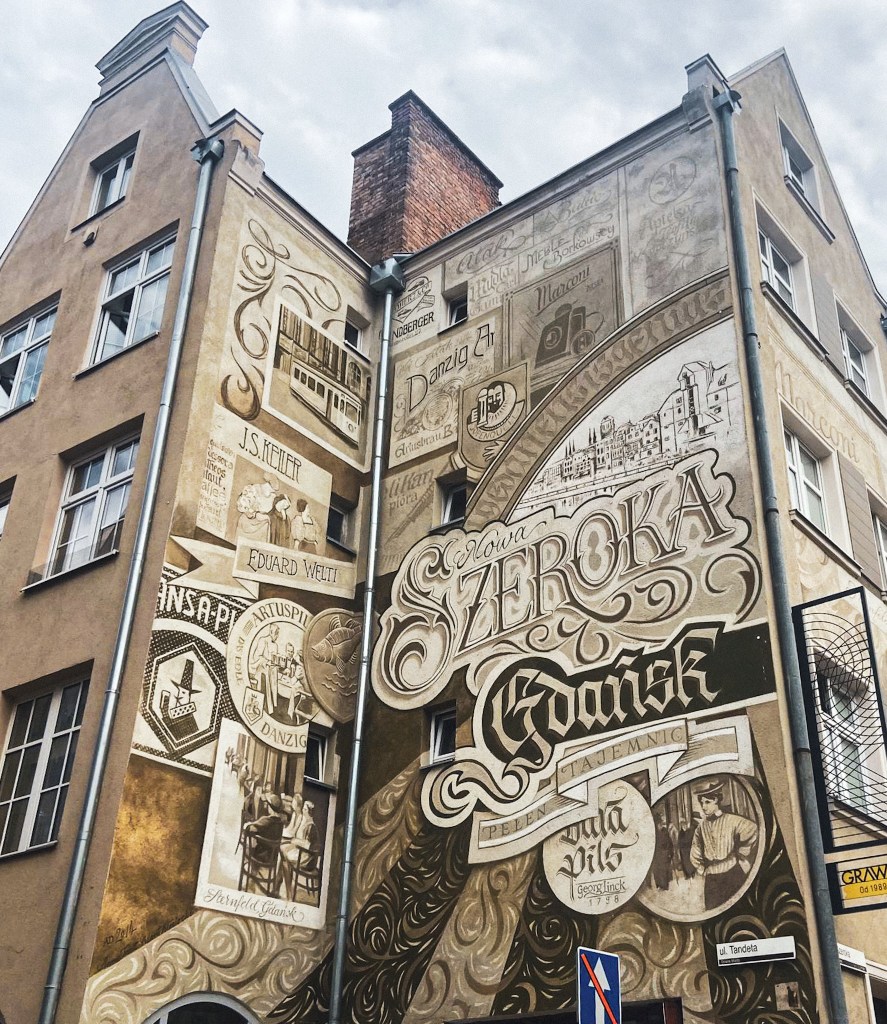
My essentials were a trip to the European Solidarity Centre and the Museum of the Second World War. I wanted the kids to come along but was fully prepared for some pushback. Testament to both museums – all of us spent 2-3 hours at each of them and we all came out in admiration for the people of Gdansk and their long history of being on the receiving end of dark ambitions from outside. References to the ongoing war in Ukraine provided us all with a reminder that the struggle to live in peace and prosperity in Europe continues.
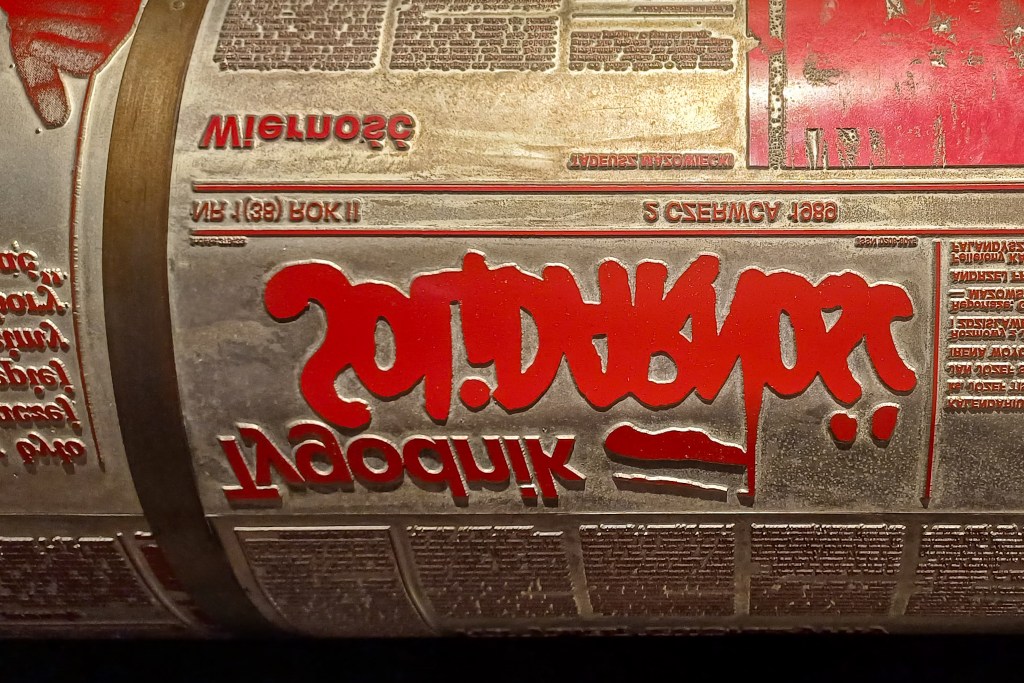
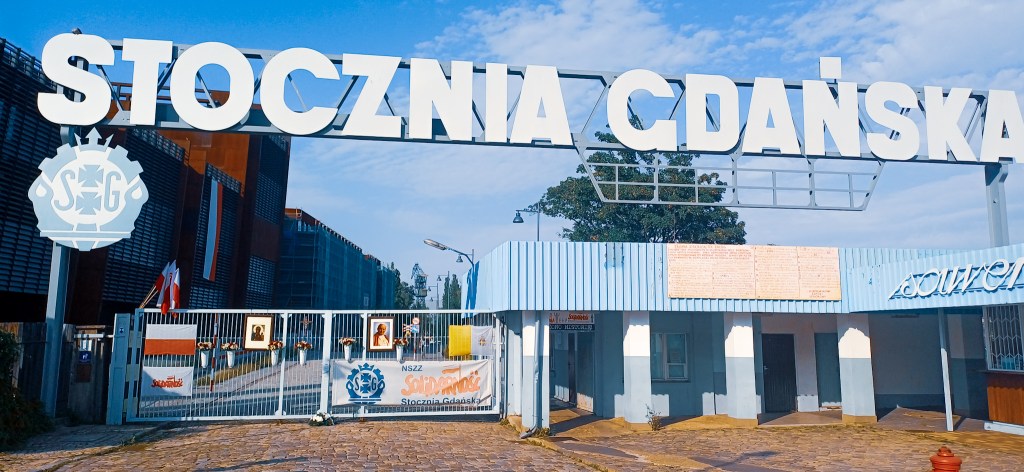
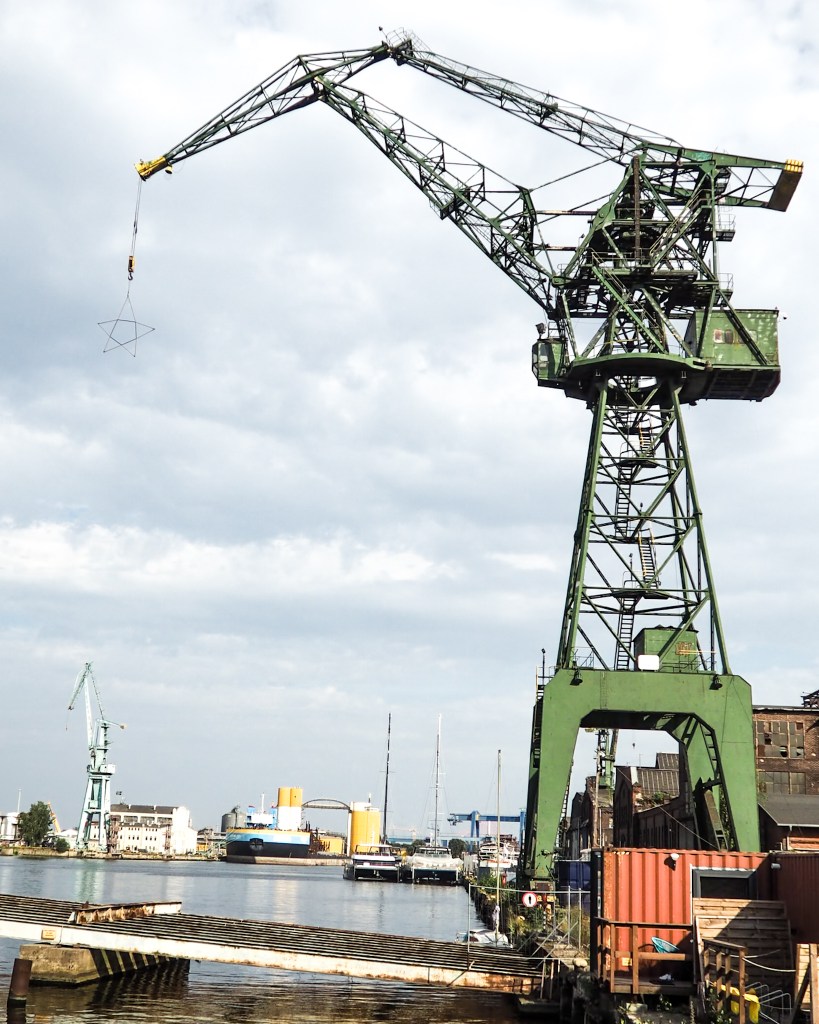
The Solidarity Museum brought up memories from the 80s of watching the news and not really understanding what was going on. The museum does a brilliant job of explaining how workers and students used civil and industrial protest to secure more freedoms and a bigger stake in determining their own futures, which eventually led to the fall of the Berlin Wall and Lech Walesa becoming President. He still has an office in the centre somewhere, but we didn’t see him before we set off to see the famed and, now largely defunct, shipyard.
The Second World War Museum is an altogether more brutal affair, retelling a story we think we know well. A Polish perspective, located in the city where the war started, has no space for the Battle of Britain, Dunkirk or the Blitz, nor of GIs coming to the rescue. Gdansk and the rest of Poland were caught between the German and Soviet military might, and it is a long, brutal, but compelling story that deserves your time and attention.
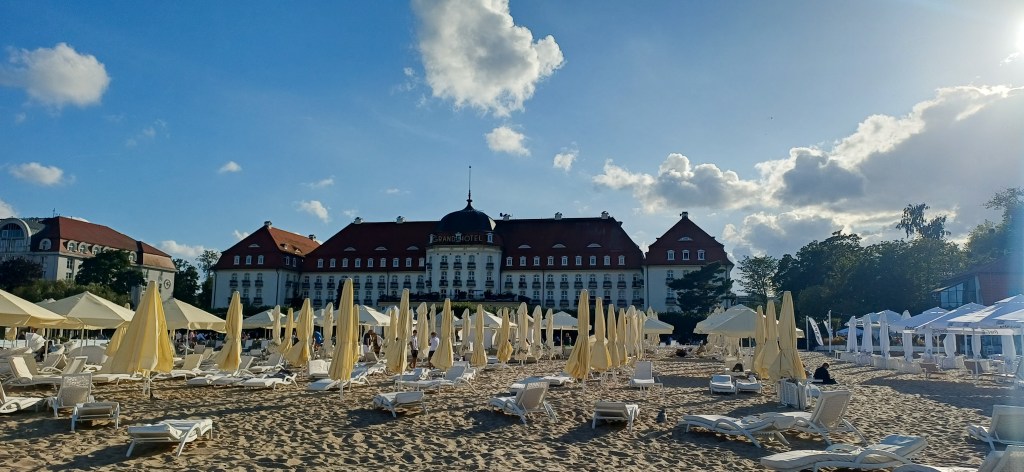
It wasn’t all grim history as we jumped on the 15-minute train to Sopot for a bit of weekend beach time with Polish families enjoying the August sun. We didn’t fully escape history. As we promenaded along the beach, we admired the Grand Hotel and then found out this was where Hitler stayed when he came to inspect the progress of Germany’s early invasion. The current managers of the hotel are probably keener to direct the spotlight on their many other guests which Wikipedia tells me include Greta Garbo, Annie Lennox, Prince, Shakira, The Weeknd and Boney M ~ as well as Vladimir Putin.
We had got this far on (my) card payments alone and so needed to do some sweet-talking to get on the cash-only boat back to Gdansk. The kids persuaded the lads running the boat to let us on without a ticket if we went to the ATM when we docked back in town. The boat ride was an unexpected treat taking us past the site of a heroic defensive action at Westerplatte and into the dockyards to see inside today’s trade in coal, salt and other commodities.
On our last day, we joined a pay-as-you-choose city walking tour which helped piece more of the story together. As with any guided tour we nodded in appreciation to a series of facts which we will struggle to remember if they ever came up in a pub quiz: Gdansk is home to the largest port crane in what was medieval Europe – The Gdansk Crane – and one of the the world’s largest brick churches. It is also the birthplace of people you may have thought were German: (thermometer pioneer) Daniel Fahrenheit, philosopher Arthur Schopenhauer, the writer Günter Grass and Holger Czukay who formed Krautrock pioneers Can.
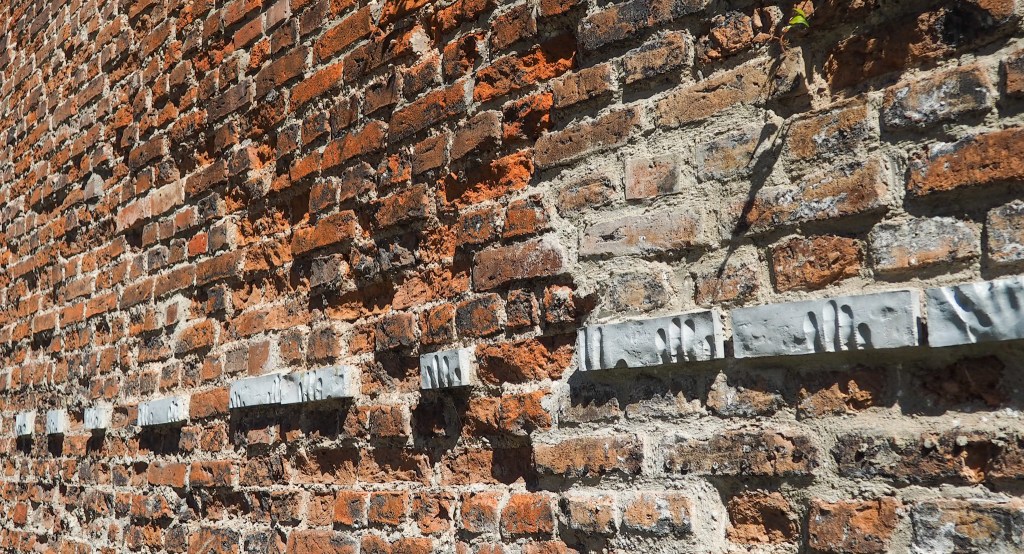
We ended the tour in the grounds of the Post Office where there is a poignant memorial to the Polish mail workers who were some of the first victims of the Nazi atrocities that swept through the country.
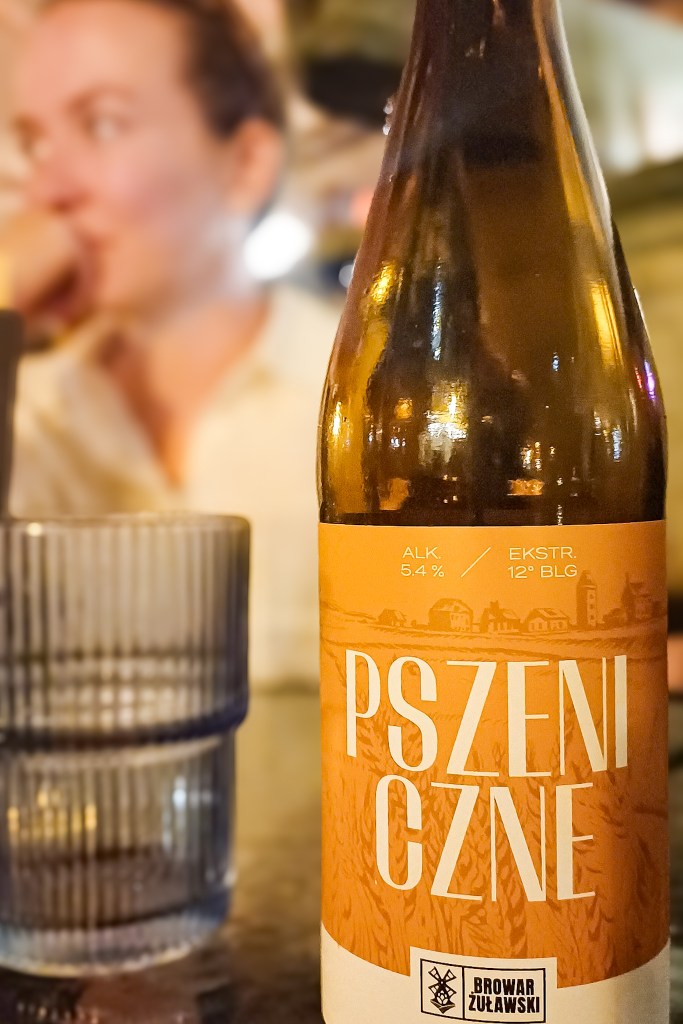
We ate and drank very well, enjoying beer and plenty of pierogi throughout the trip. My background listening for the visit was the three-parter from The Rest is History on Hitler’s War On Poland | Countdown to Armageddon (Part 1 of 3). Also worth a listen about the War in Poland (and more uplifting) is the story of Wojtek – The Bear Who Beat the Nazis.
Gdansk has much to offer and our short exploration of its dark history in what is an attractive modern-day city, left me feeling positive about humanity’s ability to overcome the darker side of our past.

 LONG TIME DEAD
Leave a comment