
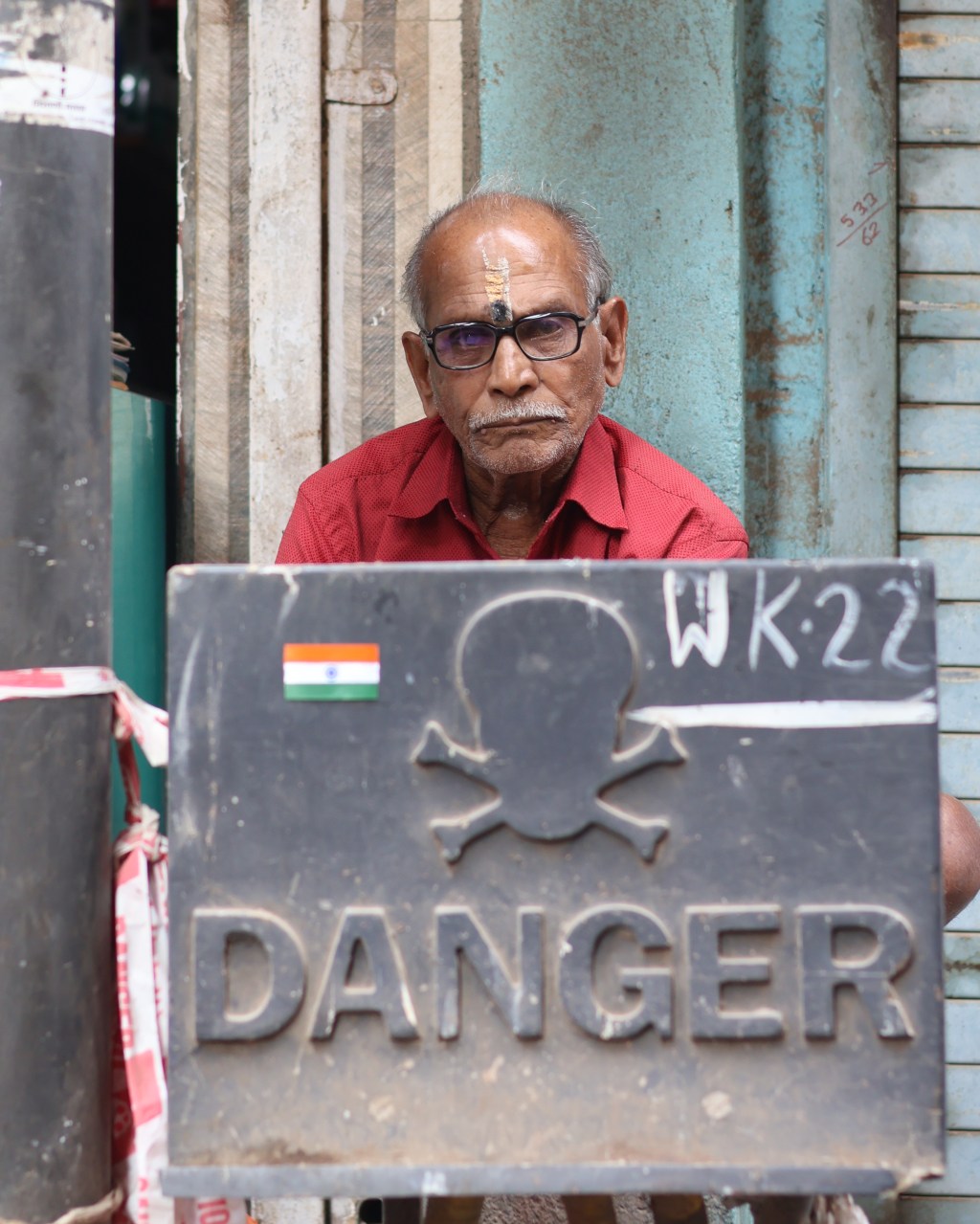
I joined a group of six others – all passionate about photography – on an amazing workshop in Mumbai, soaking up the sights, sounds and soul of the city, January 2026.
I love a big city and Mumbai is right up there. The city and its hinterland house 25 million and it’s the 5th most populated metropolitan zone in the world.
My thinking was that a street photography workshop would be both a great way to see Mumbai and to also develop a few photography skills. Whilst I have a decent eye for a photo I only got my first ‘proper’ camera six months ago and wanted some tutoring. The chance to have fun with people from different parts of the world is also something I always jump at.
This particular tour is run by Shoot Like a Local, and the Dutch owner Giedo takes an active part in each workshop. One of the great things about the Shoot Like a Local set up is that it also involves a local photographer with intimate knowledge of the city in question. In this case our local guide is Suresh Naganathan – a very talented Mumbai-based street photographer. Click here to see the fantastic work of both Giedo and Suresh on Instagram.
I arrive 24 hours early to acclimatize and to rest up after a night flight. It has been suggested we all try to get accommodation in the Colaba area of South Mumbai and I opt for the mid-range Sea Palace Hotel. It proved to be a pretty decent choice. Alongside rest, I also use that first 24 hours to try a few places that had been recommended to me prior to departure – this included Colaba’s only craft beer joint (Effingut) and the iconic Bademiya kebab outlets on Tulloch Road.
Our first group meet up is on the Friday evening. Two of my fellow participants are from elsewhere in Europe, one is from Australia and one is based in Bangkok (although Dutch by birth). They all do great photography and have been on numerous workshops before. My nervousness at being the only true novice quickly subsides – the whole group were super supportive from the off.
Day One of Workshop – Saturday 24 January
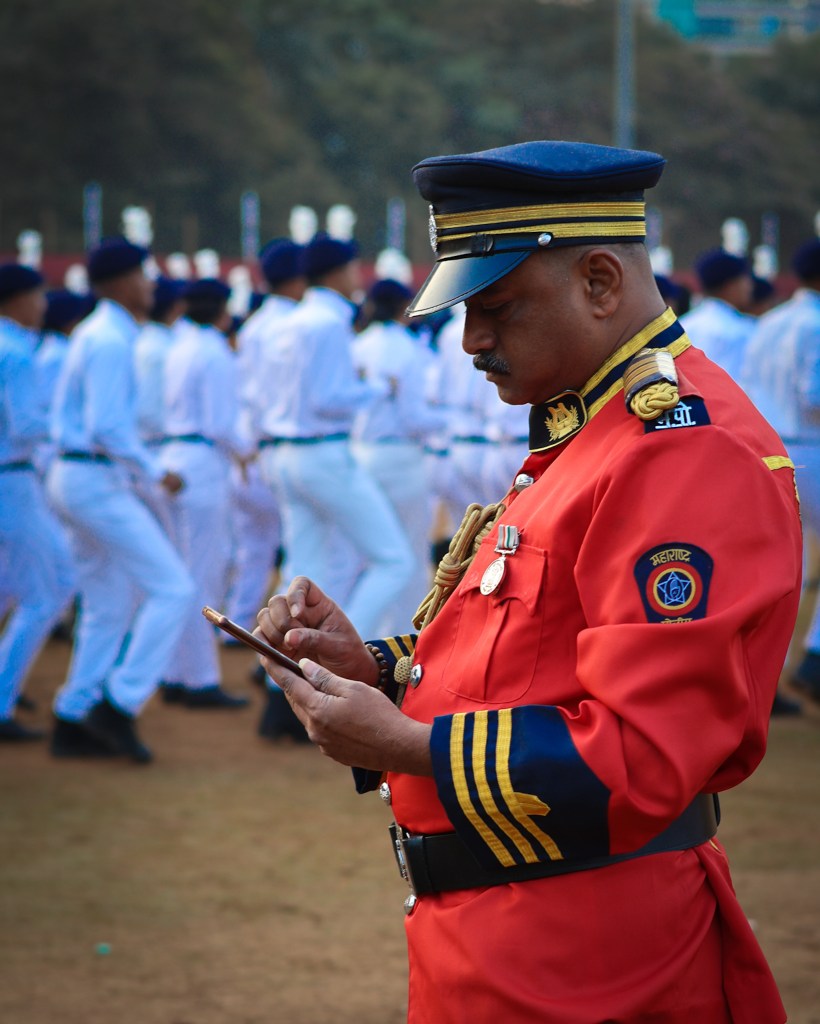
All the days start early with meet ups typically at 07.30. Our first shoot takes us to the Republic Day rehearsals in Shivaji Park. Republic Day itself is two days later and is a national holiday in India commemorating the country’s transition to a republic on 26 January 1950 – following independence from the British Raj in 1947. The rehearsals are fun and we are allowed to get really close to the action.
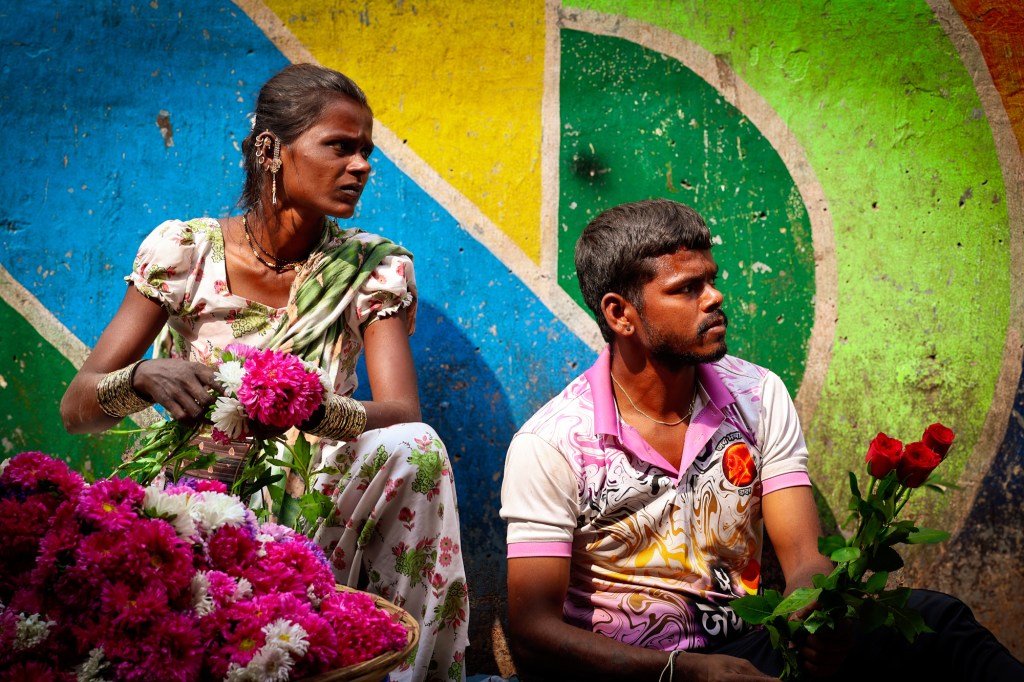
Next up is the Dadar flower market. This place has its origins in colonial times when Mumbai (then Bombay) was emerging as a bustling port city. Floriculture was an essential part of the cultural and religious life of the region, and Dadar, with its central location and excellent connectivity, became the go-to destination for wholesale flower trading. Over the years, the market has grown exponentially. The place is riot of colour and very chaotic. I loved it.
After a late lunch we visit the Haji Ali Dargah – a Sufi shrine and monument located on an islet just off the coast. You walk out to it over a short causeway. It is mobbed with both worshippers and locals hanging out and is especially crammed given the high tide. Haji Ali is well worth a trip when in Mumbai and is a great spot to watch the sunset.
I round out the day with a few beers back at hotel. It turns out that two of the other participants are also staying at my hotel. It has an open-air rooftop bar and restaurant and the three of us end up here most evenings, enjoying the Hoegaarden on draft.
I learnt a lot that first day. In particular, that I needed to stop shooting vertically (i’ve got a camera now, not a phone!) and that I was a complete fool for travelling with the equivalent of an 80mm lens on a street scene photography workshop.
Day Two
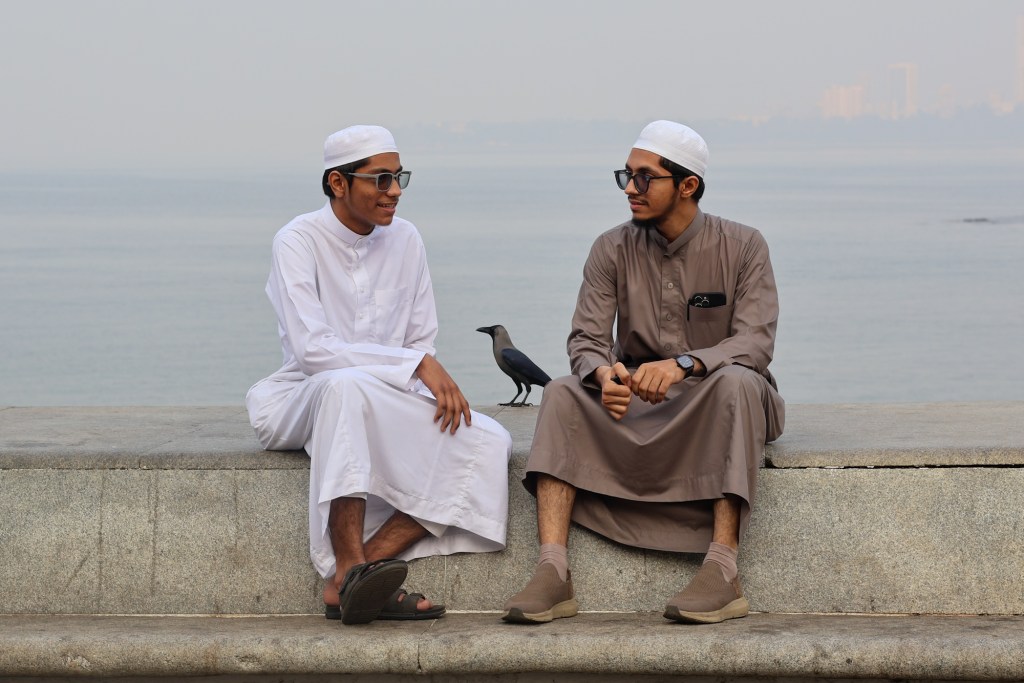
Day 2 is Sunday and we commence early on Marine Drive. This is the premier sea front promenade in Mumbai stretching for 3km and constructed in the 1940s. It is busy with thousands of people from pre-dawn right the way through to late evening, and is a place for exercise, personal reflection and for meeting friends. I get a few nice shots to start the day.
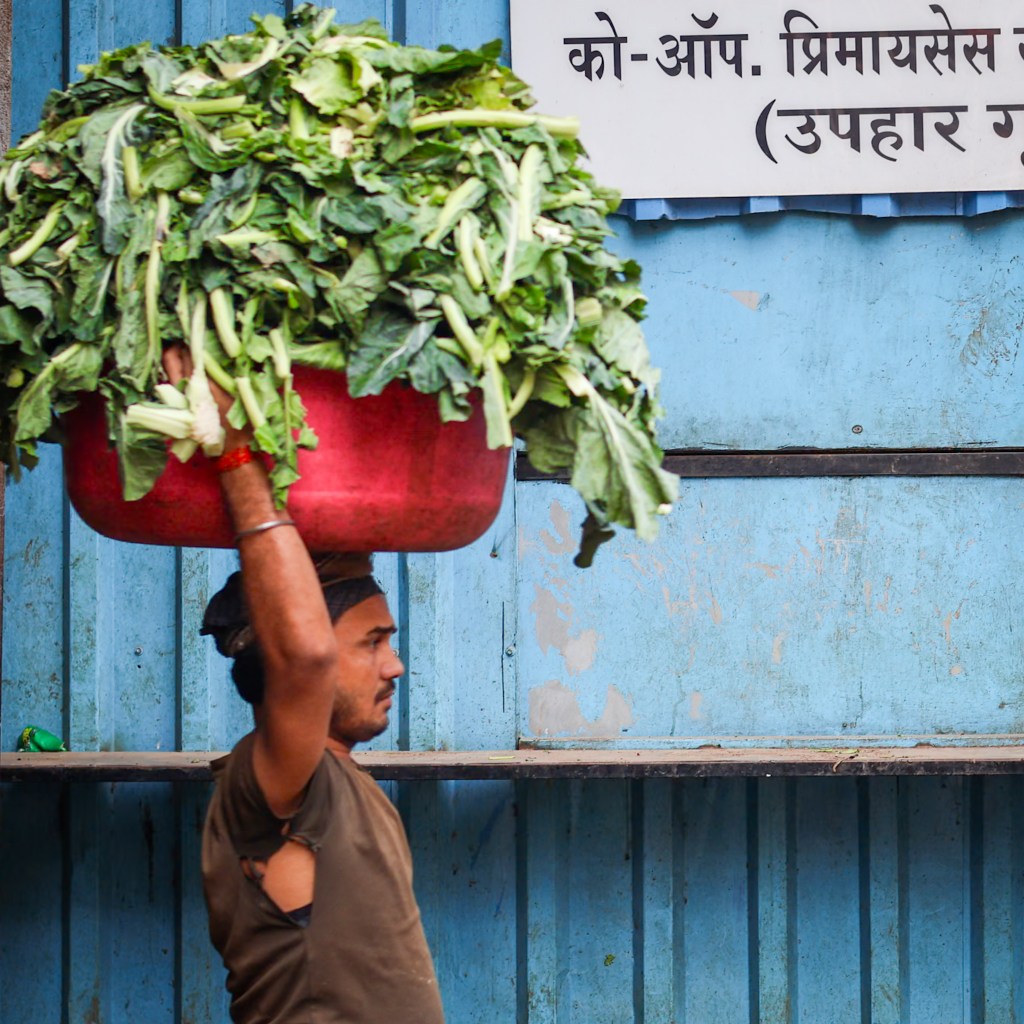
After an excellent breakfast stop (Pizza by the Bay) we head to the Byculla indoor vegetable market and the surrounding market streets. This is authentic and raw Mumbai – feisty haggling, chickens slaughtered to order and a generally light touch approach to health and safety. The vendors are all in good spirits and keen to chat at length. I really enjoyed the experience.
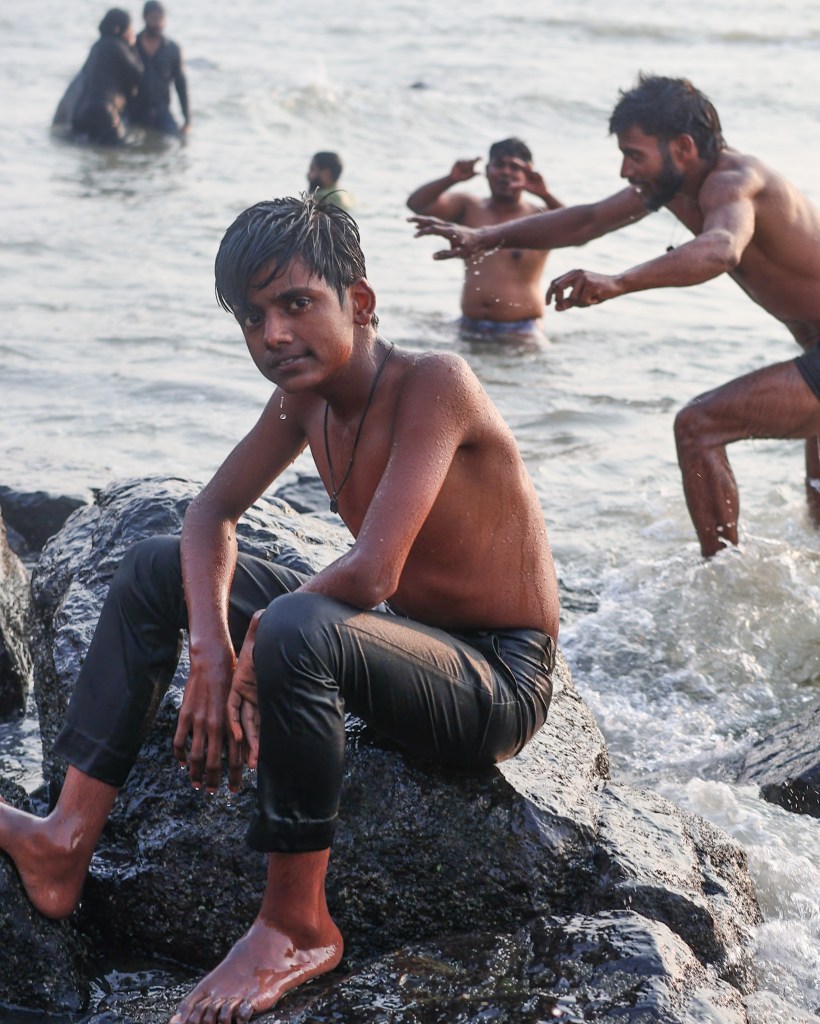
By late afternoon we are at Juhu Beach in the north-west of Mumbai. Juhu is one of the most expensive and affluent areas of Mumbai and is apparently home to many Bollywood celebrities. The sprawling beach spans about 6km. The central area in particular is totally rammed on a Sunday afternoon, with thousands of fully clothed Mumbaikars in the Arabian Sea.
We have our first group review session that evening where we present 15 or so of our favourite images so far and get feedback. Review sessions are a key part of workshops like this and I found it super helpful to get perspectives from other people. It was conducted in a very supportive and considerate way.
Day 3
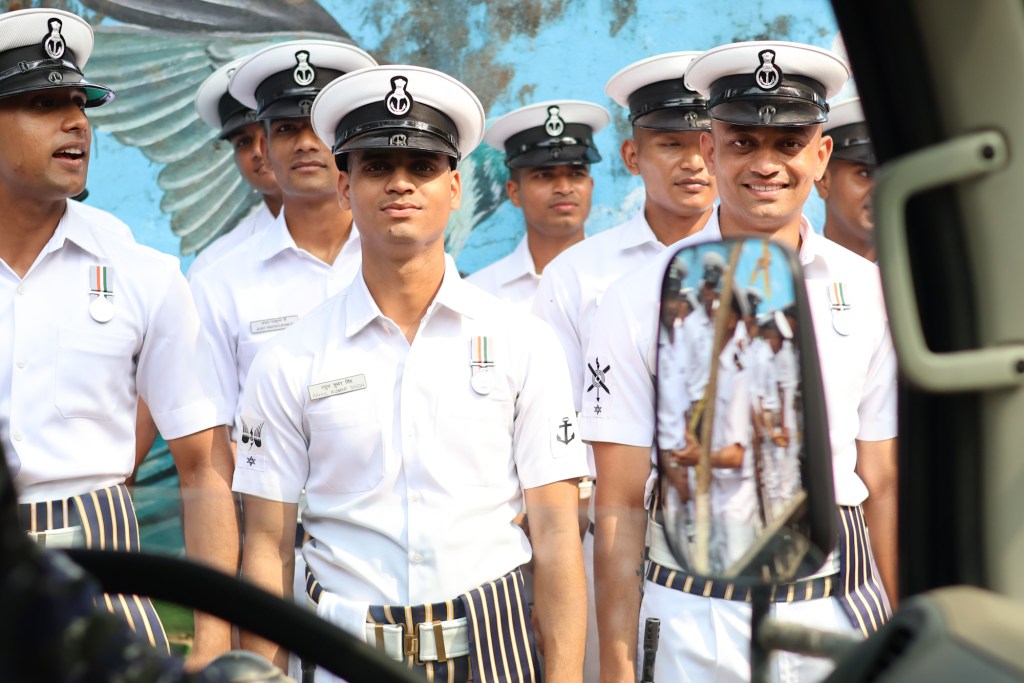
This is Republic Day. We are up early and heading back to Shivaji Park. We get to see the final hour or so of preparations mingling with the crowds and then see the main parade. The Shivaji Park parade is one of Mumbai’s most significant Republic Day events, and features marching contingents, cultural performances and a strong display of discipline and unity.
The best bit is the 90 mins or so around lunch when we hang out on the western side of Shivaji Park near Dadar Beach. This is where the participants come to relax after the event. They are all a little giddy and it is a great time take photos.
We decide to relax a little in the late afternoon. The last two days had been full-on and we had an extremely busy schedule ahead. The mini break was a good idea and I catch up on my caffeine fix at Get Doppio Coffee (definitely the best place in Colaba for coffee IMO).
Day 4
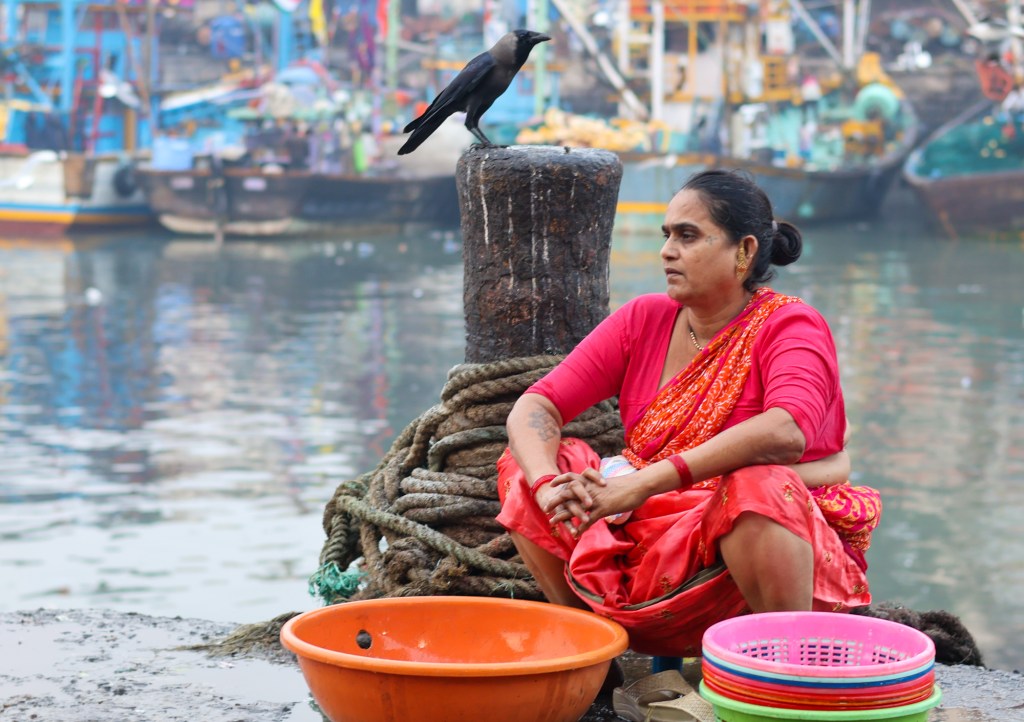
We are off to meet the formidable women of the Sassoon Dock fish market. This is one of the city’s largest and most iconic fish markets, and the women totally run the show. The main action is tightly hemmed in around one main jetty and the trading is fast-paced. It was well worth the 6am start to experience the market and its characters up close up.
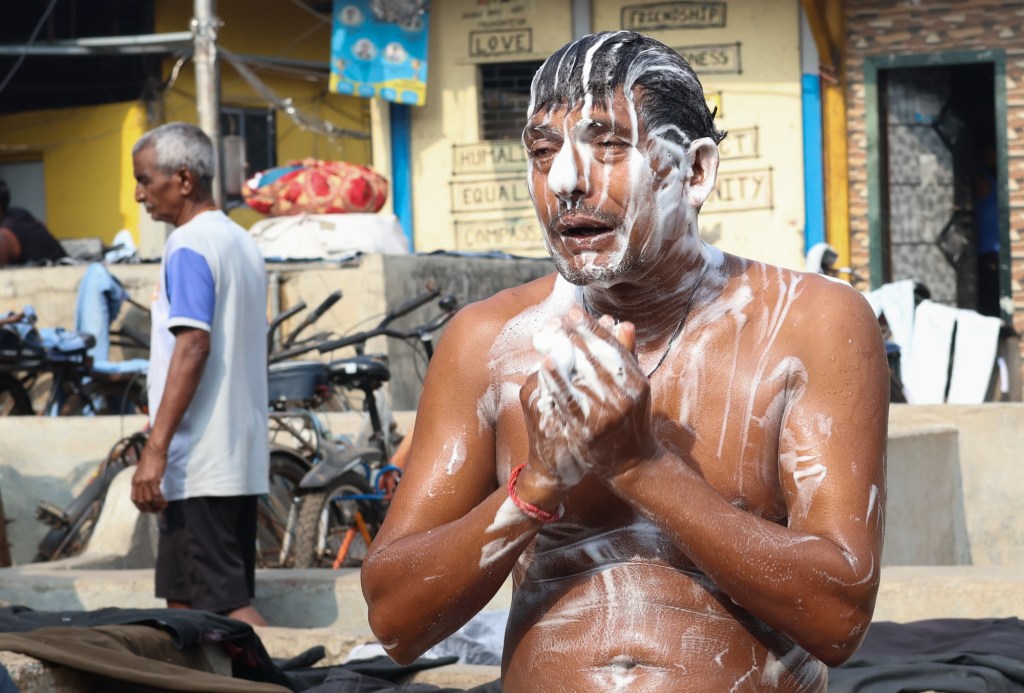
The next location was the Dhobi Ghat – aka open-air laundry – that serves Colaba. What a place this is! Huge communal washing tubs, with jeans, sheets and humans all in the mix. Two young lads gave us a tour around for a few rupees, which includes tackling some steep ladders up to the rooftop drying areas.
Our day finished with an afternoon at the Worli Fishing Village. Home to the Koli community, this is probably the slowest-paced district within Mumbai we visited – and was the perfect antidote to the bedlam elsewhere. The lanes are super narrow round here, some not even wide enough for a scooter. If you need some decompression time in Mumbai, then come here for a few hours.
Day 5
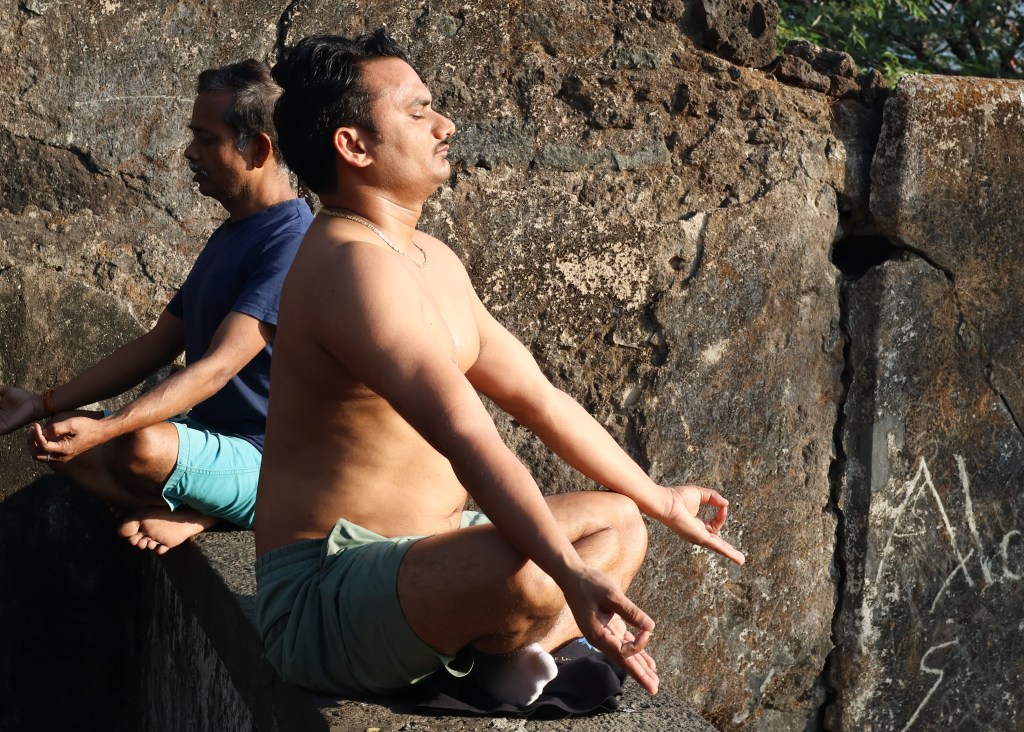
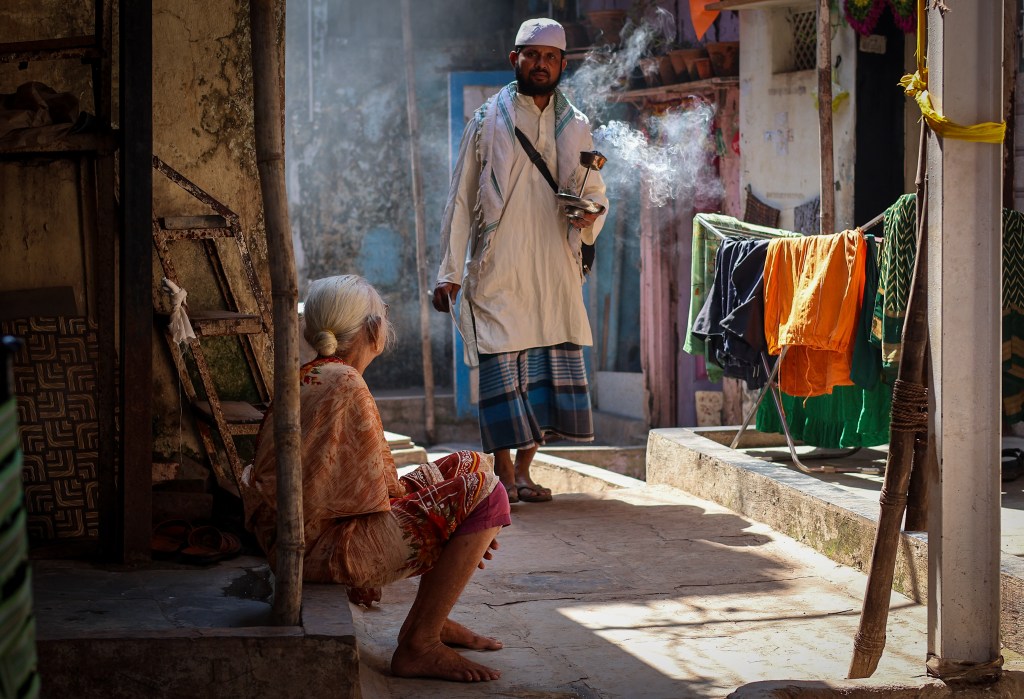
Meditation and spirituality are on show big time as we start Day 5 with a quiet walk up around the Sion Fort. The hillsides, and the summit in particular, are dotted with locals going through their morning rituals. It is very tranquil here and the early morning views from the top are amazing.
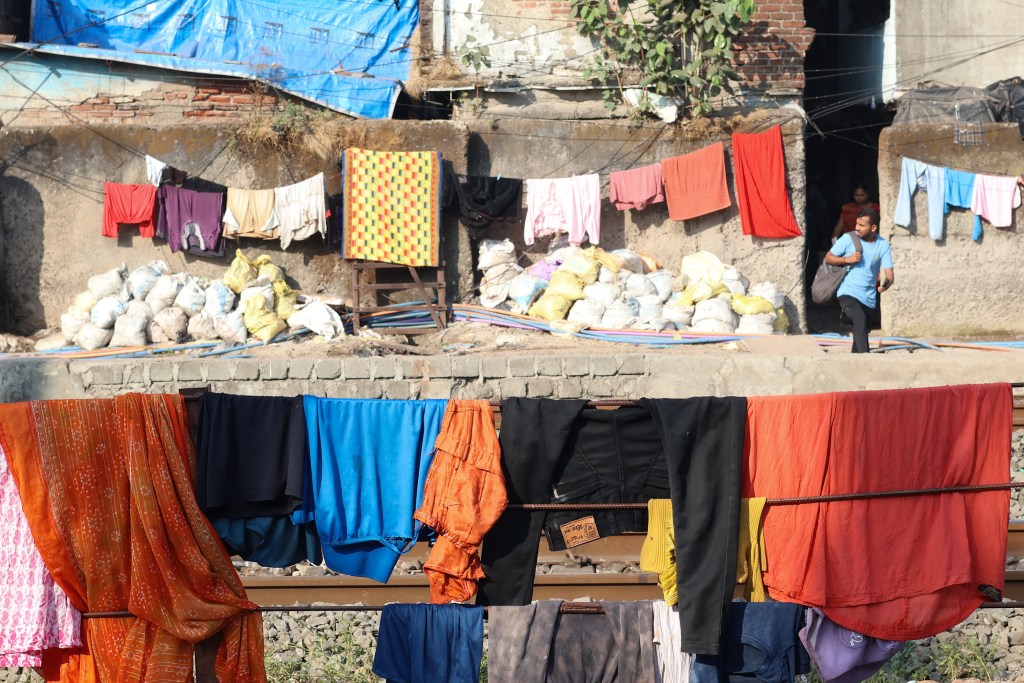
Sitting below the Fort are the railway track communities hemmed in around the Chuna Bhatti railway station. We spend an hour or so here grabbing photos and chatting to the locals. I’ve never seen communities living quite so close to the tracks, and unsurprisingly everyone seems to have an intimate knowledge of train speeds and when it is best to cross. I get shouted out for trying to cross at the wrong time!
After lunch we go to the Dharavi Potters Quarter. Pottery of some form has apparently existed on this site for nearly 500 years, and it remains an enclave where the tradition thrives despite the challenges of modern mass production. I’m told this atmospheric labyrinth is home to over 200 skilled potter families. We explored free-style but I think you can also get some decent guided tours around here.
That evening we have our second review session. It was much like the first – supportive and with helpful, honest feedback.
Day 6
This was the final full day of shooting and was jam-packed.
We start at the Chatrapati Shivaji Maharaj Fish Market. In contrast to the Sassoon Dock Fish Market this place was almost exclusively inhabited by men. The vibe though is exactly the same as Sassoon – jostling traders, lots of shouting and lots of life and colour.
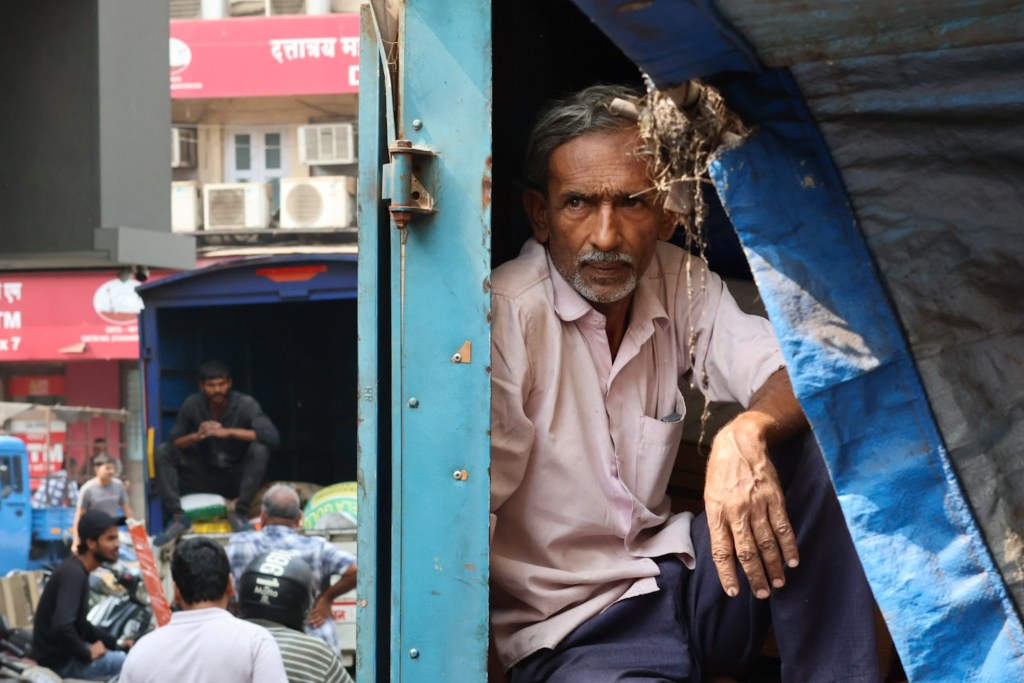
Next up is the historic Mumbai Chor Bazaar, aka Thieves Market. There is a wonderful mix of traders here. Everything from car breaking, to second hand power tools to antiquities. Apparently if you lose anything in Mumbai you can buy it back at the Chor Bazaar! This was probably my favourite shooting location of the whole trip.
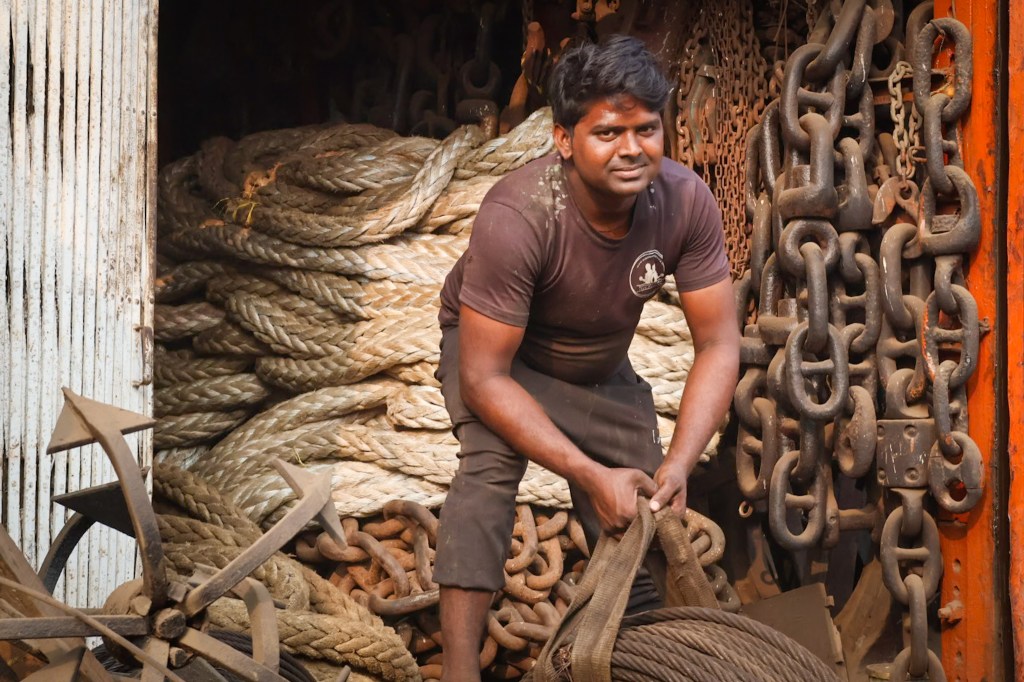
In the afternoon we go the Darukhana suburb and in particular the ship breaking neighbourhood that has built up around the Darukhana dock. There is some seriously hazardous work going on. I heard that a lot of the big shipbreaking contracts have now gone to Bangladesh, but there is still plenty of activity round here and a very tightly knit community.
The whole group then come to the rooftop bar and restaurant at my hotel for our sign-off evening meal. This of course meant plenty of Hoegaarden, and lots of laughter.
Day 7 – Final Day Friday 30 January
I opted out of more shooting in the morning as I needed to pack for my evening flight and also prepare for the third review session, which was scheduled for 2pm. I did my preparation in the lobby of the Taj Mahal Palace – a five-star, luxury hotel just 200 metres from my own digs. Built in an Indo-Saracenic style, it opened in 1903 and is a real Mumbai landmark. It was a very pleasant oasis to hang out.
The final review session went really well. We collectively agreed on each of our top 10 photos that then get shared on Shoot Like a Local’s media platforms. Everyone produced amazing work. I was actually quite pleased with my offerings given this was the first time I had done anything like this.
My flight back to the UK via Dubai was painless enough. A word of warning though – if travelling to the airport in the Mumbai Friday evening rush hour (or any Mumbai rush hour for that matter) then allow plenty of time. I allowed myself nearly 1 hour 45 mins for the circa 25 km taxi ride and used up every bit of this.
In summary, and in case you hadn’t already guessed it, I loved this workshop experience. Mumbai was mesmerising (if a little exhausting), the other participants were great fun and the highly immersive learning was without doubt the best way for me to pick up some new photography skills. I have already booked on my next Shoot Like a Local trip! Watch this space.

 LONG TIME DEAD
Leave a comment