
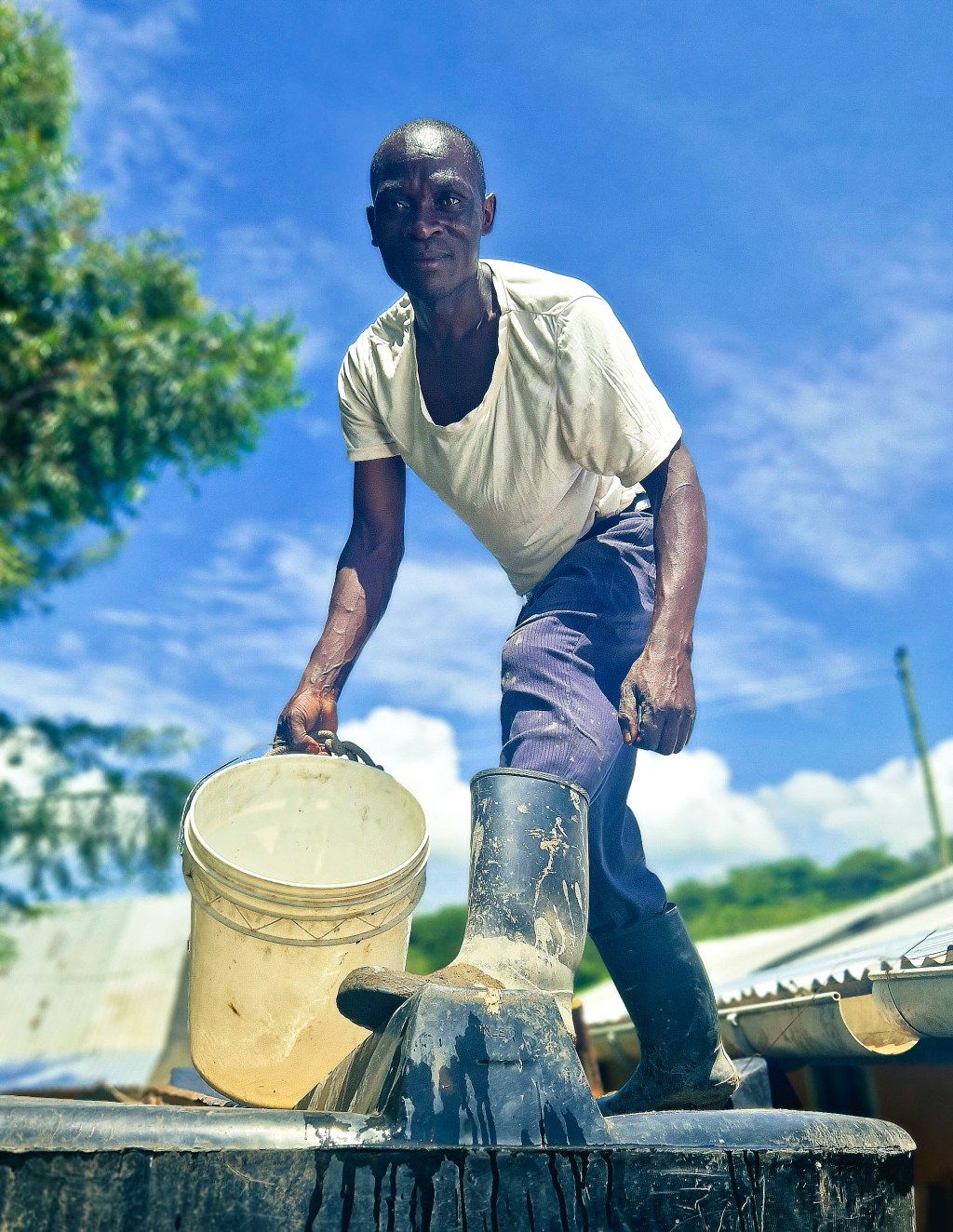

I joined 70 hard-working, fun-loving volunteers for an experience none of us will ever forget. May 2025.
The Derby County Community Trust (DCCT) has been running a volunteering trip to Nakuru in Kenya every year since 2012. The trip – which is known as Rams in Kenya – provides valuable resources and labour for local school projects and raises funding for DCCT’s activities back home.
When the opportunity came to join the 2025 trip I jumped at it. I am increasingly interested in travel with a purpose. As a bare minimum I want each overseas trip I take to teach me something new about life in another country and if I can make some form of contribution to that place then even better. Added to this I am a big Rams fan and massively value the role that DCCT plays in my city of birth.
Our group of volunteers assemble at Birmingham Airport for the 09.15 Saturday flight to the Kenyan capital Nairobi. Total flight time was about 10 hours plus circa 1.5 hours to make a connection in Amsterdam plus a two-hour time difference – so a midnight arrival.
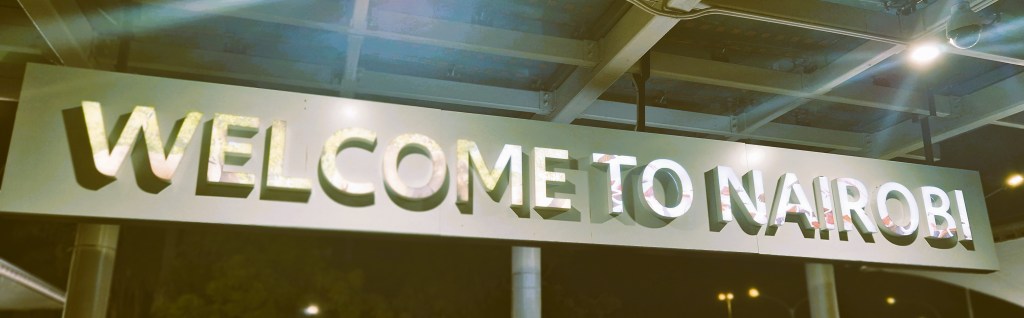
We have a one-night stay in Nairobi for starters. This is purely a logistical stop rather than to see the city. Nairobi does however look a fascinating place and is reputedly the most significant hub across the whole of East Africa. I may well go back one day.
The first test of our teamwork comes as we are told by KLM that 89 of our bags haven’t arrived – equating to nearly 65% of all our luggage! The airline were totally useless at getting it sorted and it was only through the efforts of DCCT staff plus a couple of the regular volunteers – who stayed in Nairobi for an extra 24 hours and made repeated trips back to the airport – that we eventually recovered the missing cases.
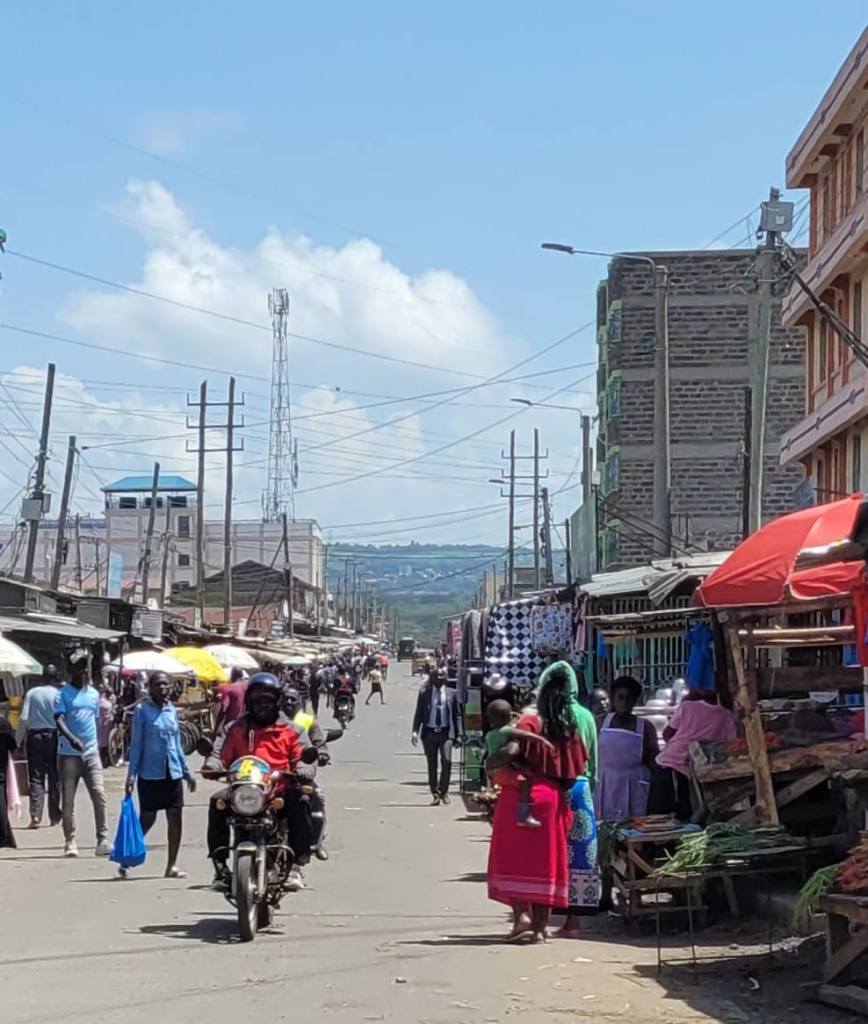
Nakuru is a four hour drive north-west of Nairobi and is Kenya’s third largest city. I’ve got a friend of a friend back in the UK who was raised in Nakuru. He describes it as a wonderfully diverse city, a chaotic melting pot with lots of different Kenyan tribes and cultures all jostling for a slice of the action. As we drive into town on the Sunday afternoon, I see exactly what he means.
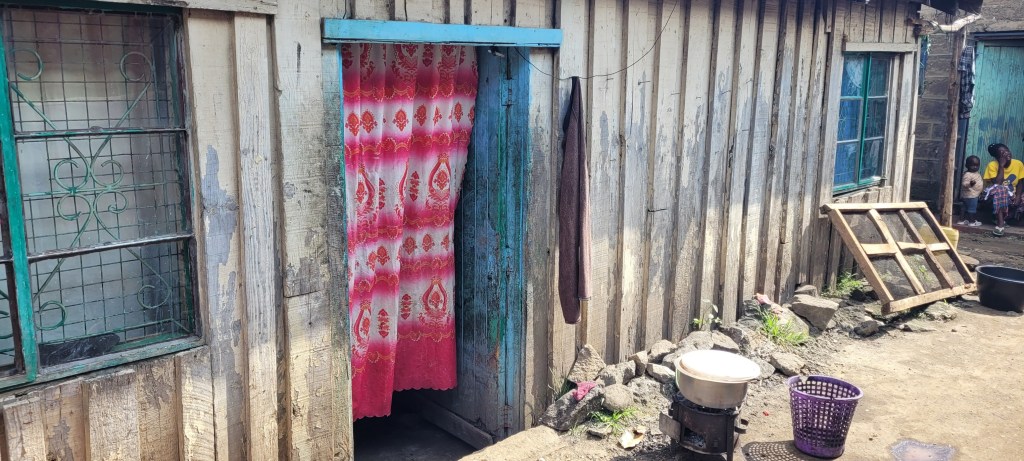
I also quickly realise that I will witness the realities of life for Kenyans and the realities of poverty up close. Much of the accommodation is wooden shacks, charcoal is burning everywhere, cattle are roaming freely, clothes are thread-bare and virtually all belongings look like they have been passed down through multiple hands.
We split into our work groups on Monday morning and head off to our schools. We are split into groups of roughly 13-14 and are allocated to one of five schools. These allocations were done months in advance and we have already had a series of meetings back in the UK to get to know each other a little and plan tasks.
I am part of the St Trizah team. This is one of the original schools DCCT worked with in Nakuru back in 2012 and the Trust have done an amazing amount of good work here over the years – not least funding a relocation to a beautiful edge of town location and helping build numerous classrooms.
The welcome on that first day blew me away. There was tons of singing and dancing, with the kids all centre stage. The whole school was involved. For those that remember the 2010 South Africa World Cup, the vuvuzelas were out in force.
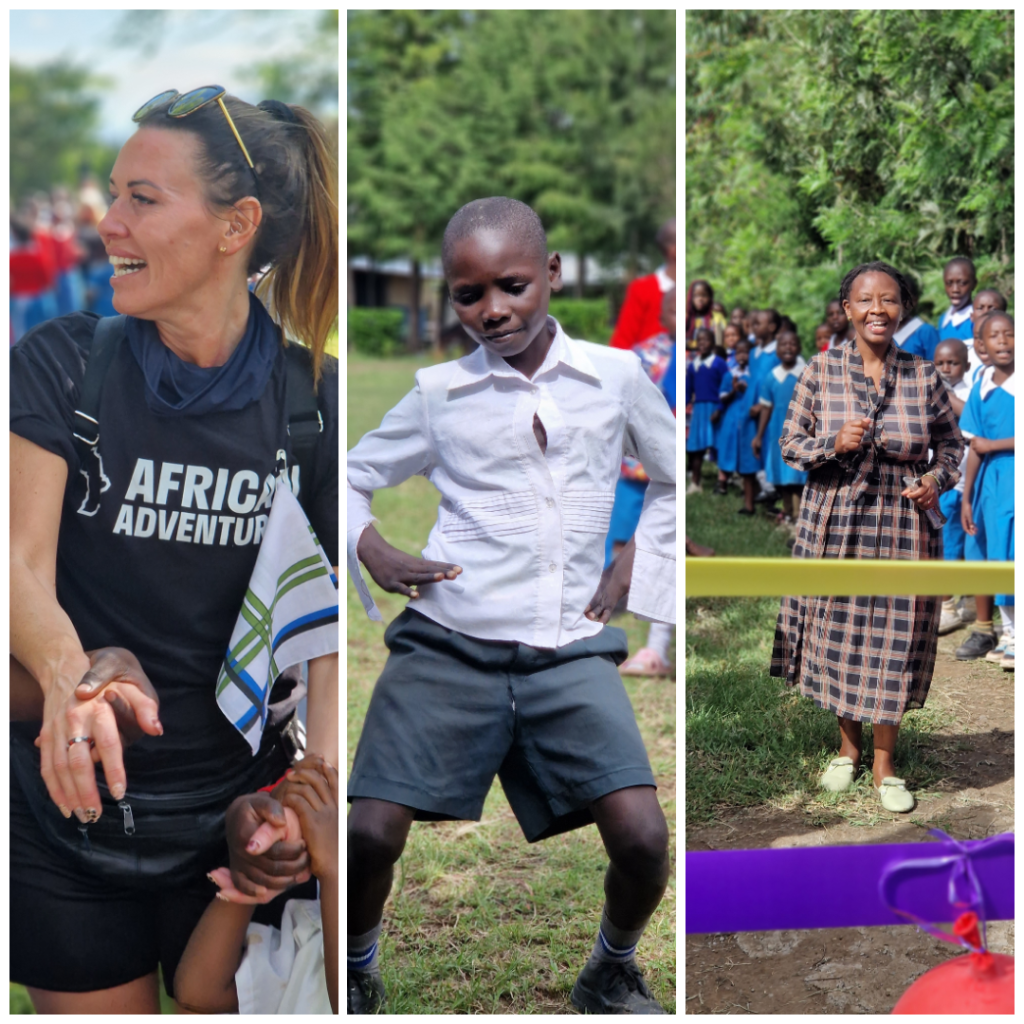
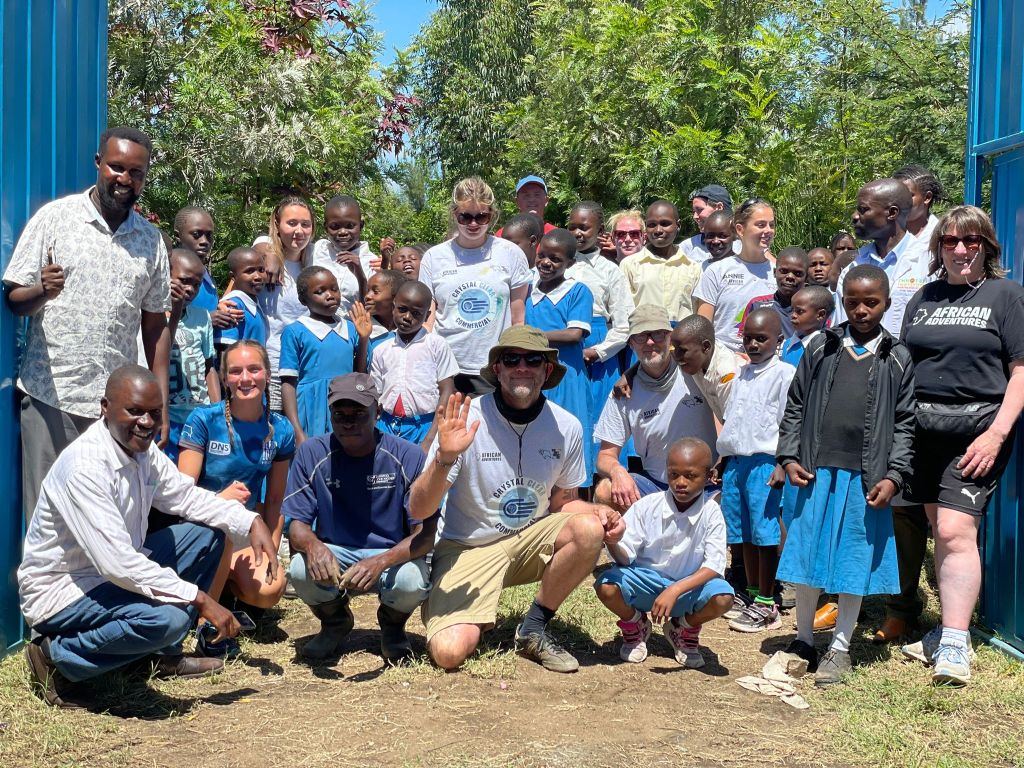
After a tour of the school, we settle into our project work. There is something for everyone as we progress through our first week of work. Highlights in Week 1 include desk building, fitting coat and bag hooks in all the classrooms, tons of painting and starting work on a new toilet block – all designed to try and create a slightly better learning environment. A lot of the work was done in partnership with local tradesmen that our sponsorships helped pay for. It was a pleasure working alongside them and getting to know them.
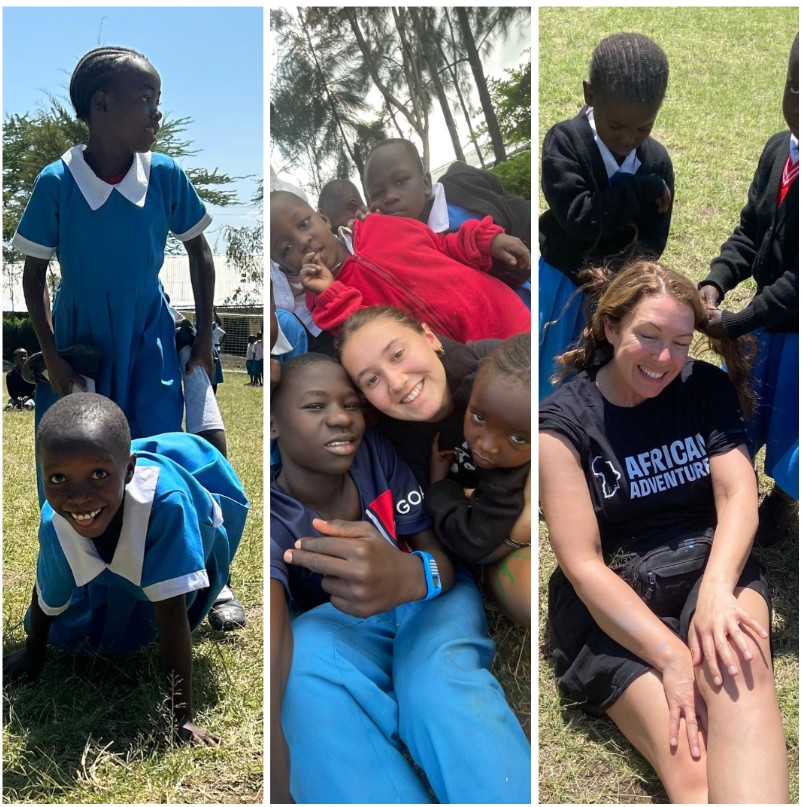
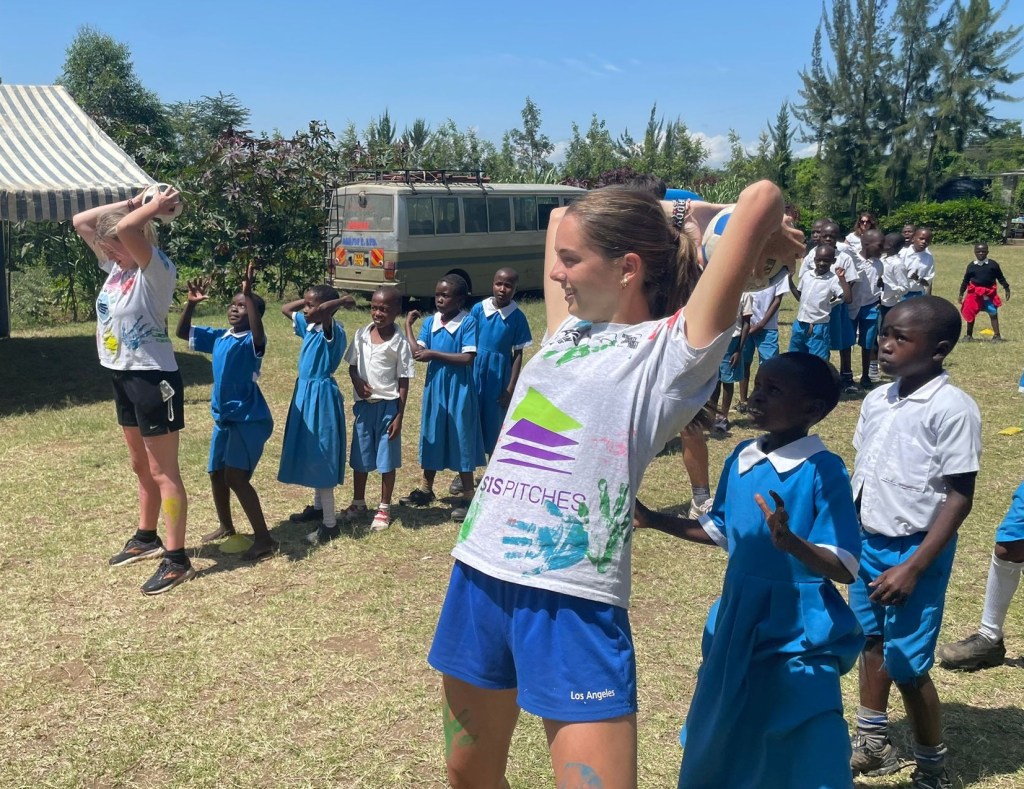
Each and every day we play extensively with the kids and some of the group deliver teaching sessions. The children clearly loved having us around and gained a lot from it I think – see Week 2 below for more on this. We also had time in that first week to prepare a special Friday lunch for the whole school.
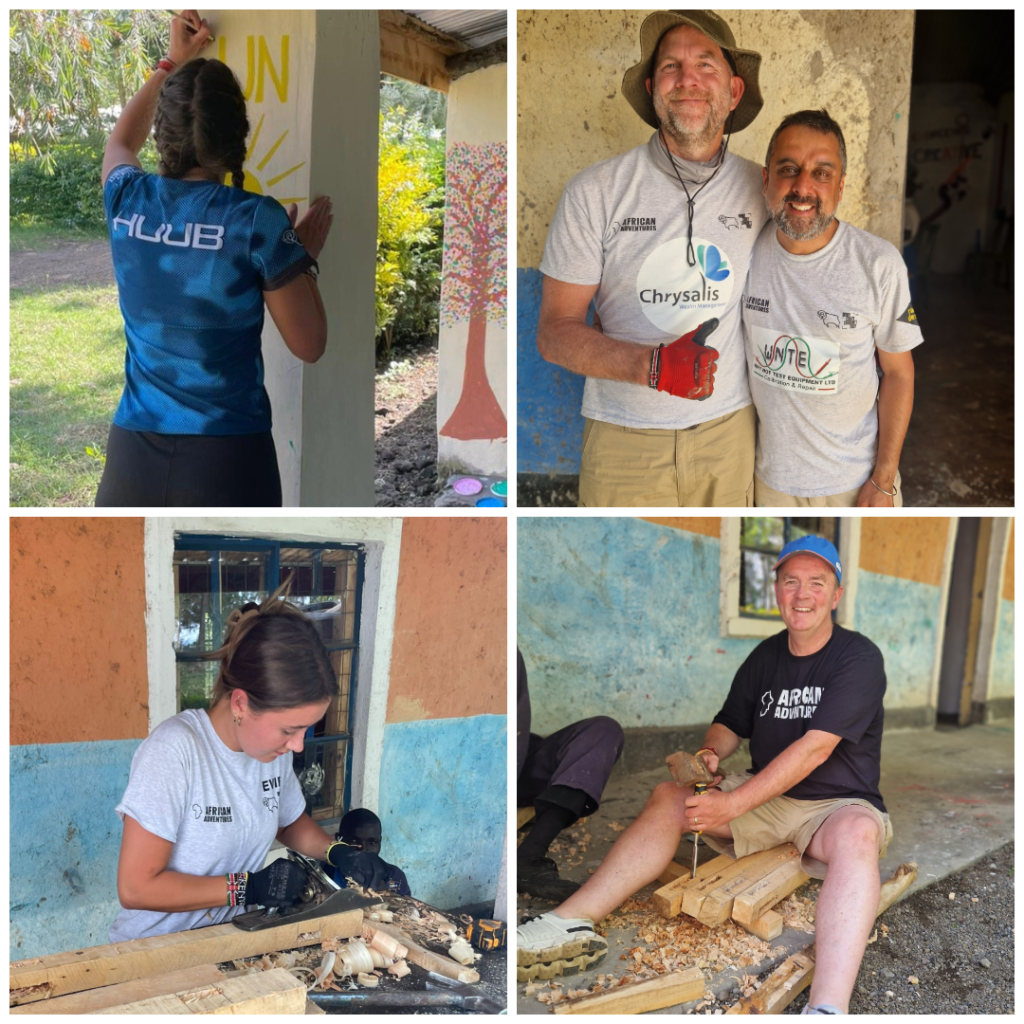
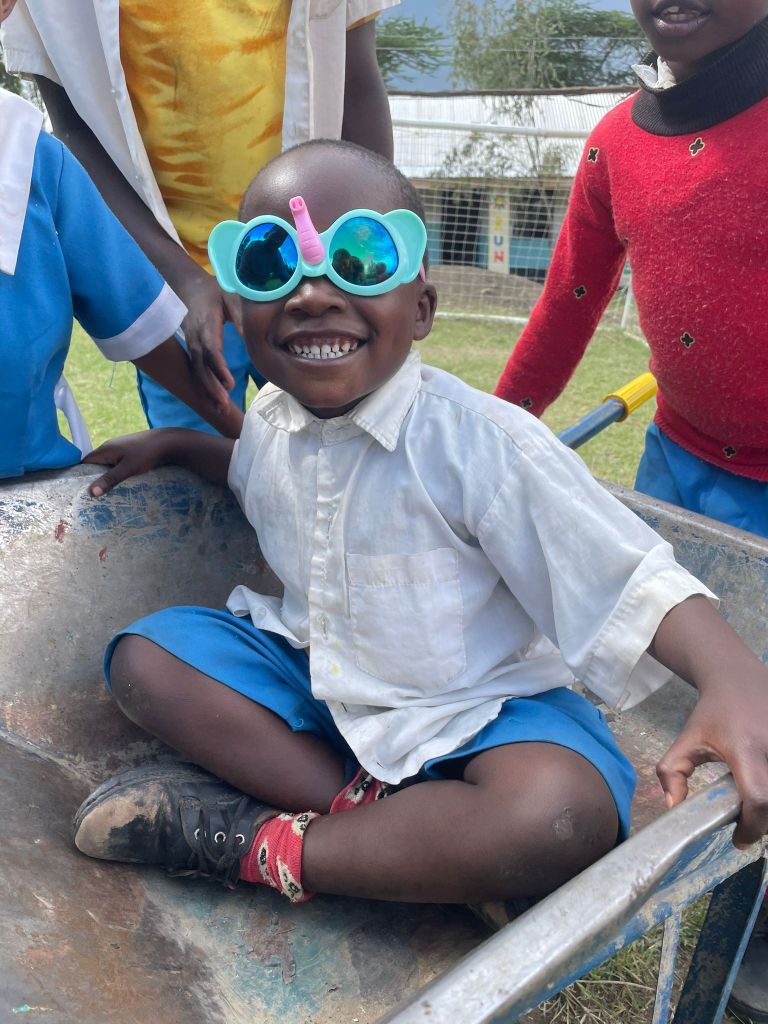
I really enjoyed the journey to and from school each day. It was a 30-minute ride each way and allowed us to see and soak up Kenyan life. On the journey out we often made a stop at the hardware store or fruit stalls to pick up some provisions for the school, and I always took the opportunity to try and talk to some locals. They were all mega friendly and wanted to chat (in a mix of English and Swahili). On the way back we threw lollipops and sweets to passing kids every day. And there was always top music on our minibus!

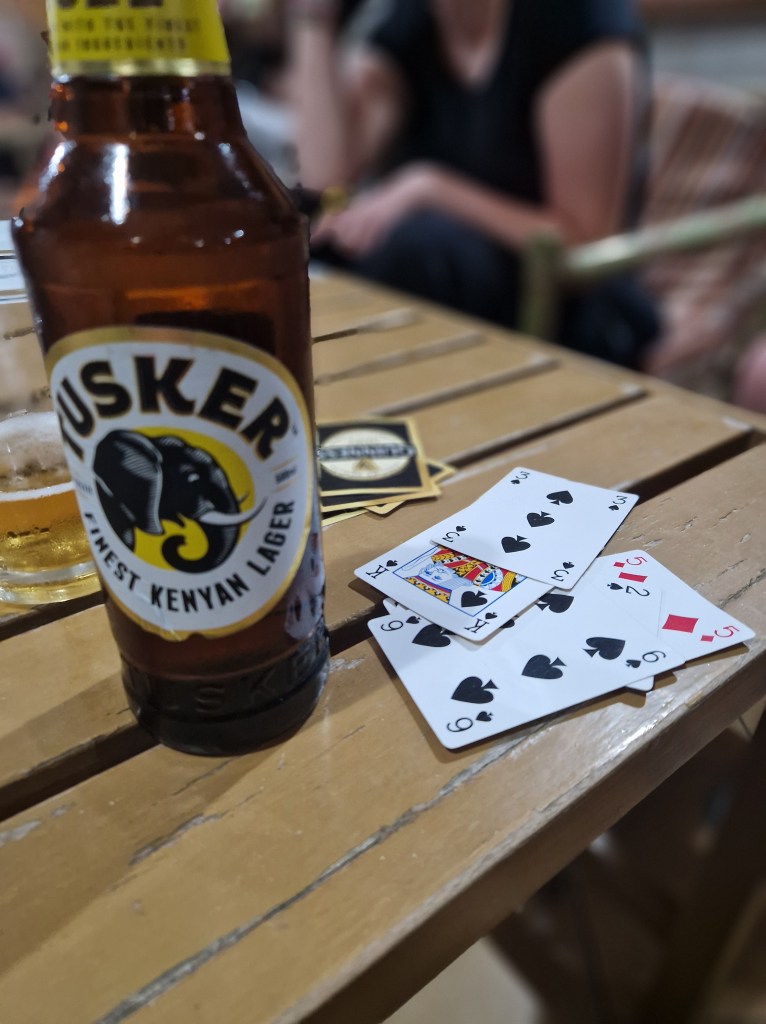
Our evenings quickly settle into a pattern. A very nice buffet dinner at 7pm then back to the bar for a few drinks, games, chatting and a fair bit of singing. The vibe is very sociable with a lot of laughter. The fact we upset a few other (overly sensitive) guests in the hotel with our noise was, in my mind, a good indicator of the positive bonds and friendships we were making.
On the middle weekend we downed tools and got taken on some fab excursions.
Saturday morning is the much-awaited safari trip and Saturday afternoon is the gigantic Thomson Falls. The safari was great fun and we get to see lions, giraffes, hippos and thousands of baboons from our open top vehicles. The 75 metre Thomson Falls was visually spectacular and threw off a lot of spray. Take spare clothes if you plan to get up close.
On Saturday we also call in at the equator and have a really cool talk from the owner of a tea plantation. I didn’t realise Kenya was the third largest producer of tea in the world (after China and India) and that decaf tea isn’t actually tea!

On Sunday we spend a couple of hours at church and it is a good insight into another key aspect of Kenyan life. Religion is a massive thing in Kenya with 80% of the population going to church at least once a week. 85% of Kenyans are Christians and 10% are Sunni Muslims.
We welcome some new arrivals on that middle weekend (aka the “one-weekers”) and say goodbye to a few people who have to get back to the UK for work commitments.
The new arrivals are straight in at the deep end on Monday morning with our home visits. This is where we go to a few of the kids houses to meet the parents (usually just mum) and deliver some food parcels that we have assembled. Suffice to say, these home visits are a stark reminder of just how few resources the average Kenyan household has access to and hammers home to me just how much we over-consume/waste in the developed world.
Tuesday is our donations day. This is a big part of the trip and one of the reasons we were getting so anxious about the missing suitcases. We are each allowed to bring out two big cases – one for our own stuff and one full of things we thought the kids would welcome (trainers, toys, clothes etc). The kids loved their gifts and the whole team were visibly moved by the experience. One of our gang tops up the donations the following day and in a huge act of generosity buys the whole school (150+ kids) a new fleece hoody in school colours from a local supplier.

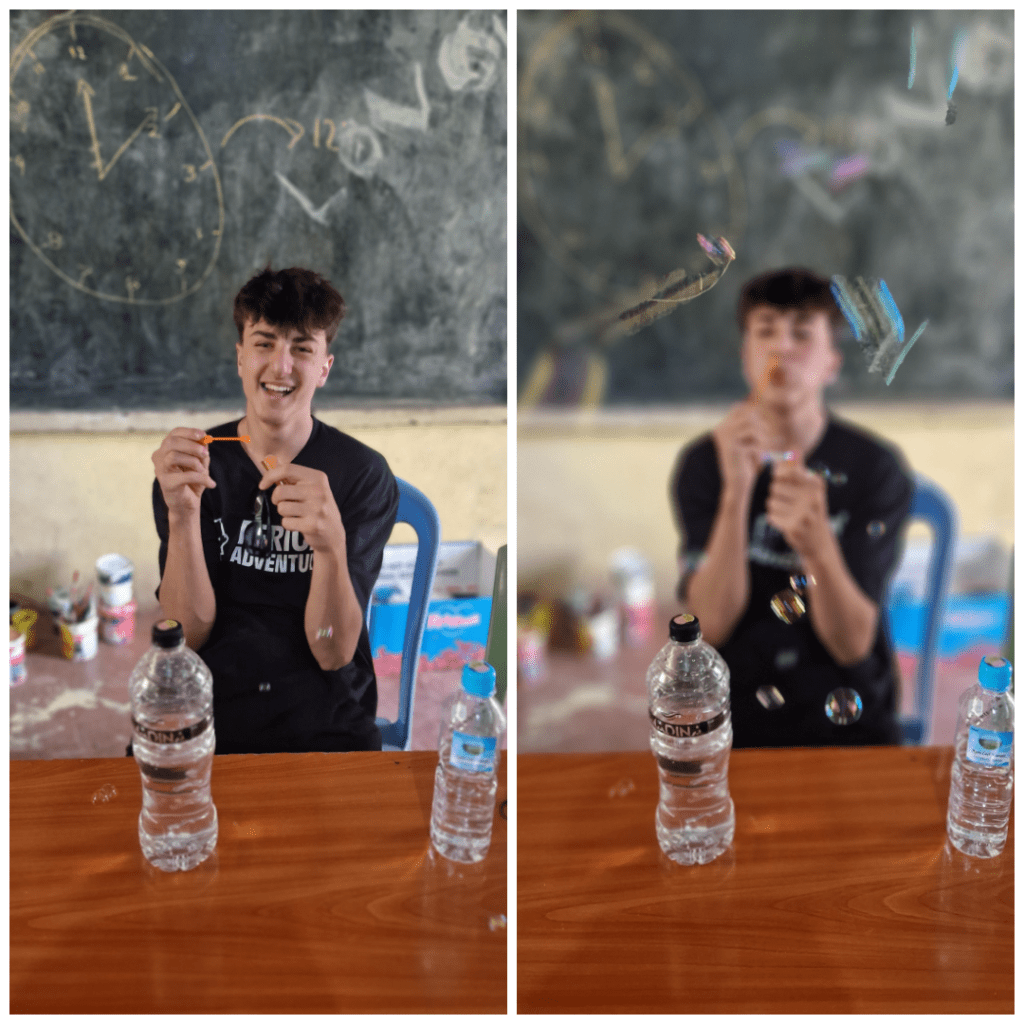
The project work continues at pace in Week 2 and we engage even more with the kids as we near the end of the week – both in and out of class. This engagement is just as important as the building work and I hope the kids and teachers picked up at least few new ideas and possibly some inspiration. Highlights were our classroom bingo sessions (clearly good for maths), Sports Day, menstrual health sessions for the older girls and a serious amount of footy training.
On the Thursday evening we have an impromptu gig back at the hotel. Basically, one of the Kenyan guys who helped on the 2023 trip got hold of a guitar and delivered an amazing 90-minute acoustic set. It was a very emotional evening and all of a sudden it feels like we are commencing our farewells.
Friday afternoon we have a leaving ceremony at school. We all made a thank-you speech and the school asked us to perform a song and dance for the kids. Kudos to the younger members of our St Trizah team for getting us sorted – we delivered a great little routine.
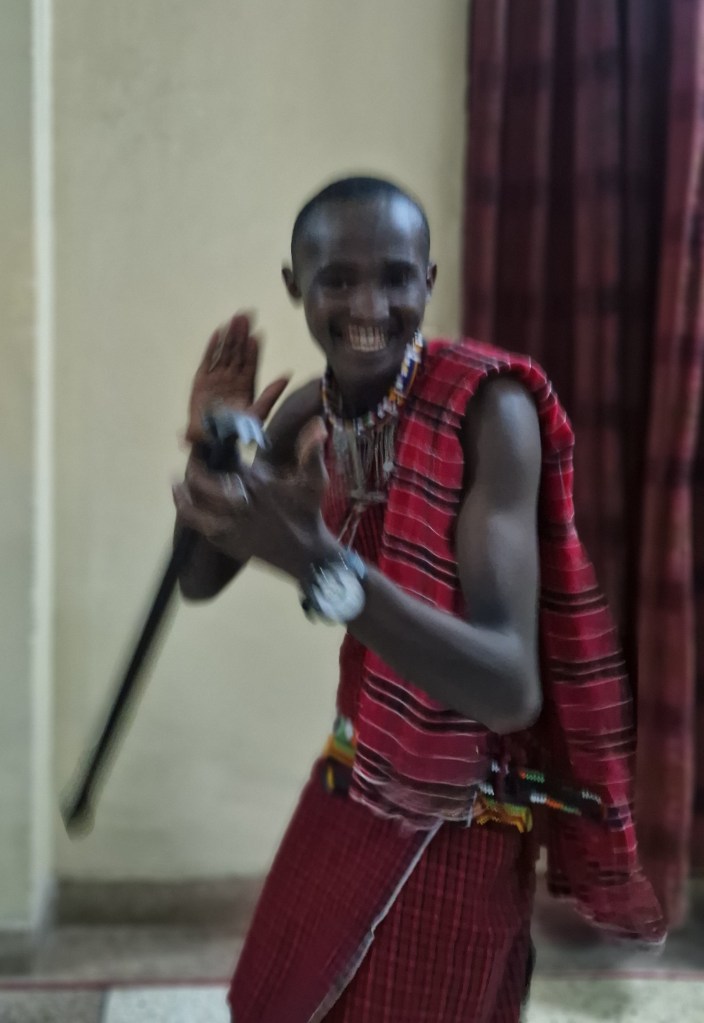
Friday evening we have a big goodbye meal in the hotel with Masai dancers and singers. There was huge energy in the room and at one point all 70 of us were on a Masai-congo with an abundance of freestyle moves being thrown in. By this stage of the trip I had moved onto double vodkas as my drink of choice and these helped with any dancefloor inhibitions.
The journey back to the UK was long and involved a night flight, but the group made it fun and the hours passed quickly. We were all clearly knackered after two weeks of hard work and full-on socialising, but all totally united in a real sense of achievement and a shared purpose.
I will definitely miss Kenya and its friendly people, and I will miss the team and our camaraderie.
Some Reflections
I have already come to the conclusion that volunteering trips likes this are the best way to see real people, understand their lives and more fully appreciate a country. This trip helped me begin to understand Kenya in a way that other types of travel simply wouldn’t have allowed for.
The teamwork was awesome. Old and young worked together with zero hierarchies and great harmony. I enjoyed being given tasks rather than my usual job of dishing them out and being far more patient than back home. There are workplace learnings for us all from a trip like this. And my partner Paula reckons I have come back far more chilled.
This programme was a great way to make friends and get new perspectives. Anyone who says they don’t need more friends is talking rubbish. I made a whole bunch of fab new friends. I even met two strangers on the train back from Birmingham airport who will turn out to be really good work contacts. I wouldn’t have even bothered saying hello had I not been fresh off this trip.
In terms of the benefits for the kids and the school, our efforts were clearly a drop in the ocean compared to the scale of the challenges in Kenya. That said, I saw enough to convince me that smaller scale interventions like this can work in raising aspirations amongst kids and building the ambition of teachers – especially when they are repeated year on year.
Finally, trips like this don’t succeed by accident. A huge amount of planning went into it from DCCT staff and returning volunteers. I thought the organisers were amazing. I don’t normally name names on this blog, but Paul Newman at DCCT is a seriously impressive fella. He has been leading this programme since it started in 2012, growing and improving it year on year. The cumulative impact on the local schools, and DCCT back home, over what is now 14 trips must be very significant.
I would recommend the 2026 trip to anyone reading this blog – whether you are young or old, and whether you have a connection to Derby or not. If you want to find out more about the 2026 proposals follow this link. And if you want to see a further snapshot of our work at St Trizah click here for a great little video.


 LONG TIME DEAD
Leave a comment