
Me and my partner Paula join a wider travel group, and head to Southern Africa. September 2024.
We have both long wanted to visit Namibia. Me since I read about the Skeleton Coast in my 20s and Paula in her ongoing search for deserts, stars and elephants.
The journey down is via Addis Ababa with Air Ethiopia. Addis has developed into a major African hub airport and is a proper melting pot of nationalities. It was an enjoyable short stopover at the airport drinking seriously strong local coffee and people watching.
We arrive in the Namibian capital Windhoek mid-afternoon and immediately get acquainted with the other 11 people who we will spend the next 9 nights with, and our guide Alfie who turns out to be a total legend.
A few insights into Namibia:
- It is the second most sparsely populated country in the world after Mongolia. It is over three times the size of the UK but with only 4% of our population!
- It contains two deserts, the Kalahari and the Namib. The Namib, which was a big feature of our trip, is the oldest desert in the world and encompasses seriously high sand dunes, gravel plains and rugged mountains. It is pretty moon-like in parts and is one of the driest places on earth.
- Colonisation brought terror to the indigenous Namibian people. The Germans arrived in 1884, perpetrated acts of gross genocide and then immediately installed what was a forerunner to South African apartheid. The scars from this period run deep. In 2021 Germany put €1.1 billion on the table to help heal the wounds but it has not been agreed to and is considered wholly inadequate by many. Read here for the current state of play. This is important stuff as it could set a precedent for reparations to former colonies all around the world.
- Post WW1 Namibia was controlled by South Africa until gaining independence in 1990. Corruption within the Namibian government is apparently widespread, although this is not uncommon within Sub-Saharan African governments as far as I can see.
Paula chatted at length with Alfie about both colonisation and corruption. They are clearly both raw topics.
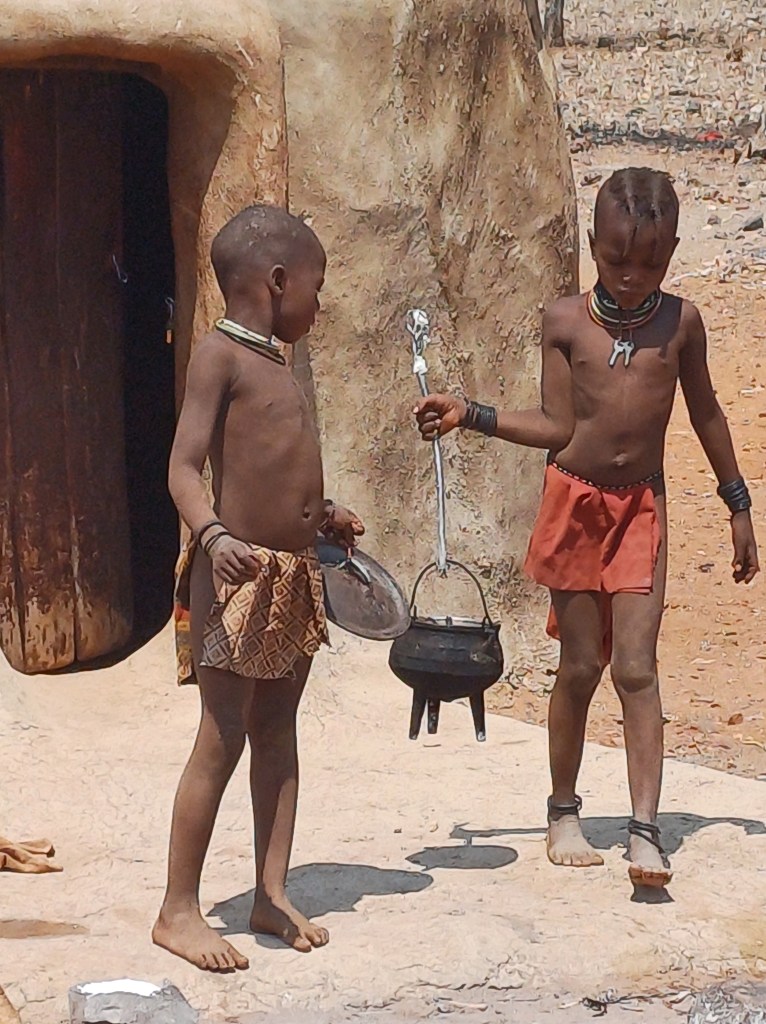
Our first night is spent in Otjiwarongo – a staging-post town about 250km north of Windhoek – with a very enjoyable group meal at the Out of Africa Town Lodge. Next morning we are on the road early continuing north and stopping off for a couple of hours at a traditional Himba village. The Himba are a small group of semi-nomadic people living a very traditional existence. They number about 50,000 in Namibia and a few more in Southern Angola and surprisingly are a growing community. It was fascinating to see and talk to them through a local interpreter.
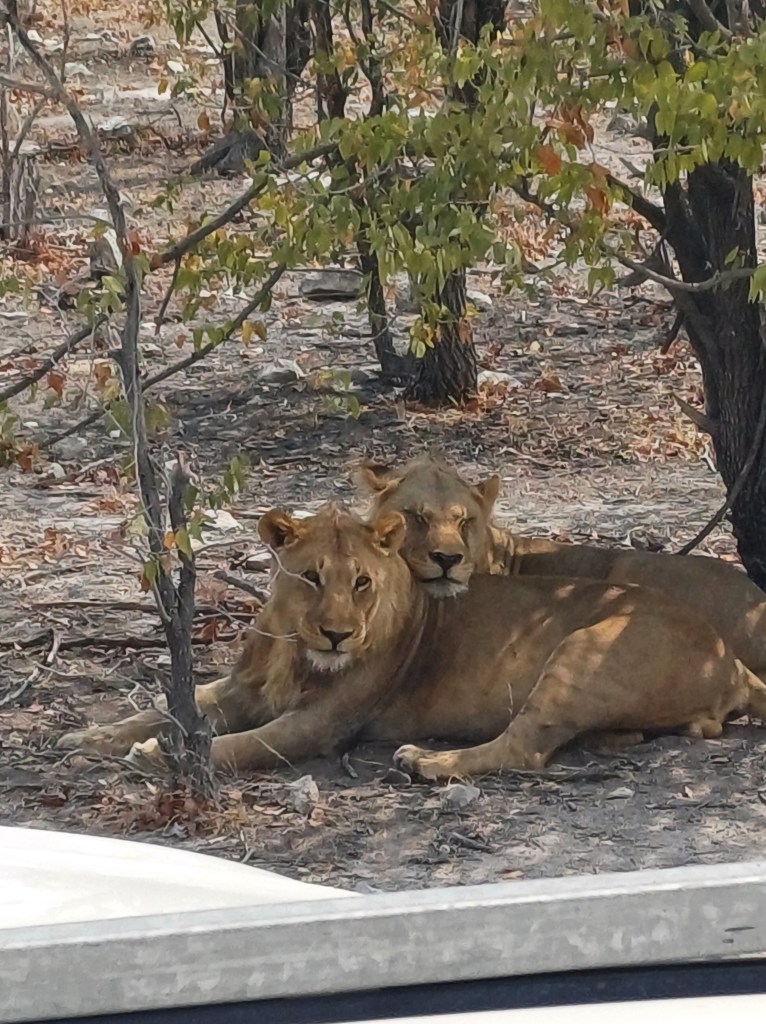
By mid-afternoon we are on the first part of our safari visit to the huge Etosha National Park. The first afternoon is a taster for the following day, which is an open jeep drive around the Park. Two days is probably the minimum needed for a park that is the size of Belgium. We see plenty of lions, giraffes, baboons, oryx and elephants.
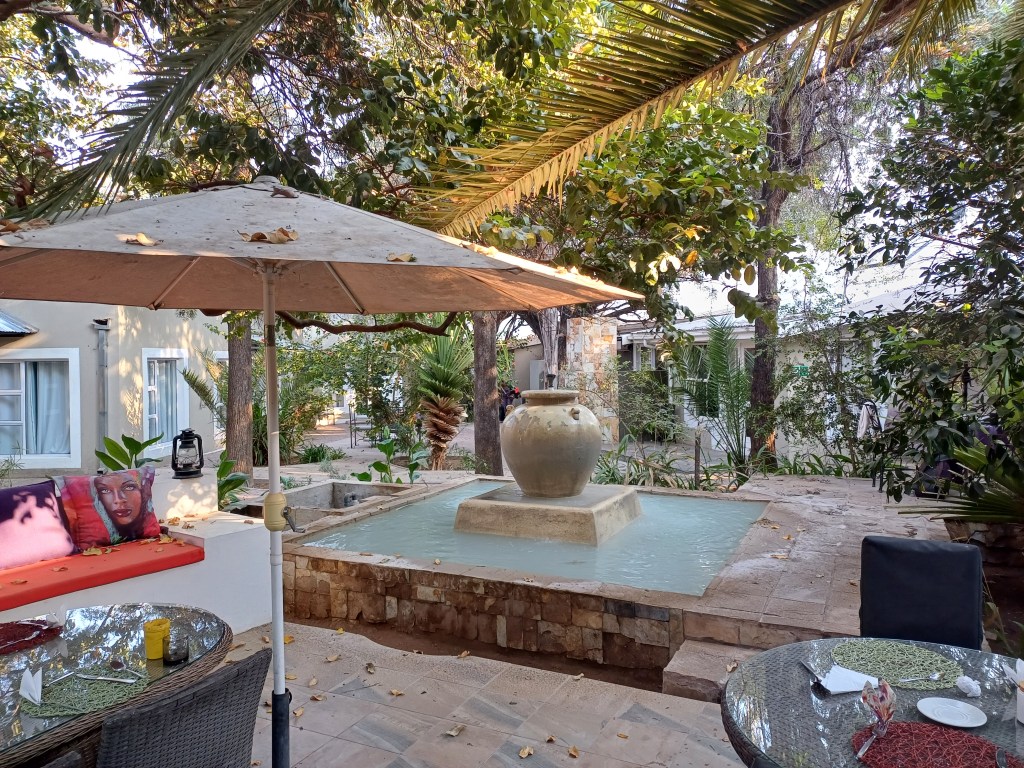
Accommodation at Etosha is the Toshari Lodge. This is a fab place to stay and we had some fun communal meals. Food in Namibia consists of lots of barbecued meat especially local game – so be prepared to see the likes of Zebra and Gnu on the menu. There are also veggie options and plenty of seafood, particularly on the coast (see below).
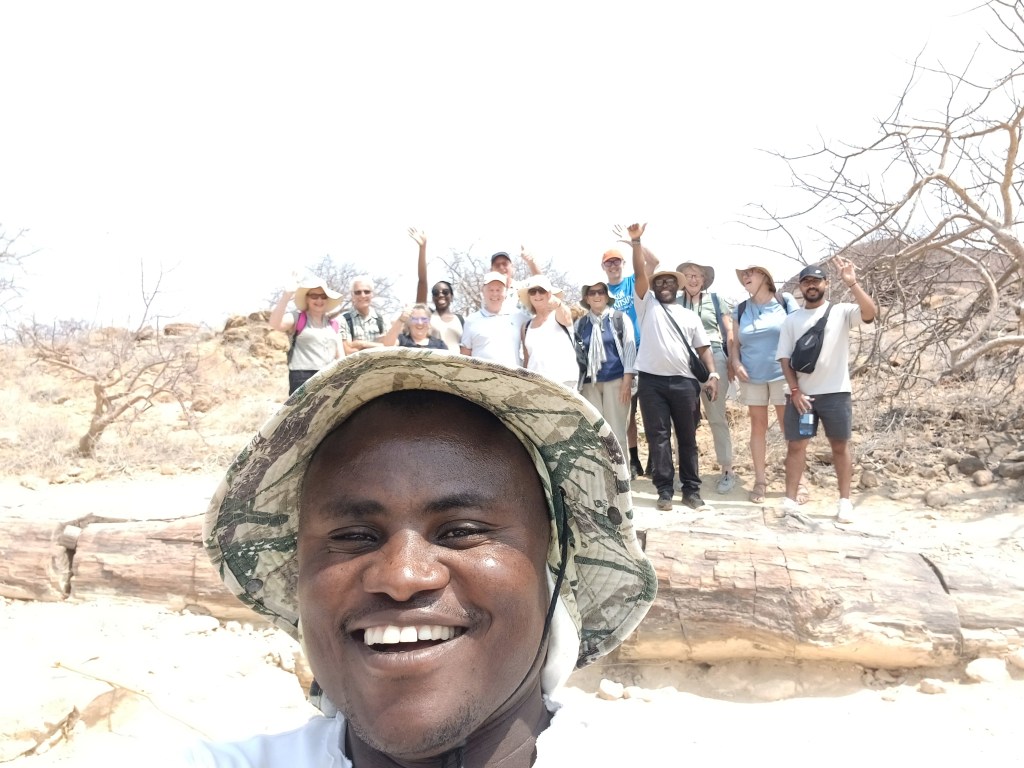
After Etosha we head west into Damaraland. This is the least populated part of Namibia and is a mass of crazy rock formations. It hasn’t rained here for 7 years! We see both the Petrified Forest (280 million-year-old fossilised trees) and 5,000 year old rock art in Twyfelfontein. Our overnight stay is at the plush Twyfelfontein Country Lodge.
Next day we head further west for the Skeleton Coast, so named because of the number of historic shipwrecks and whale bones dotted down this 500km stretch of coastline. Portuguese sailors once referred to it as “The Gates of Hell”.
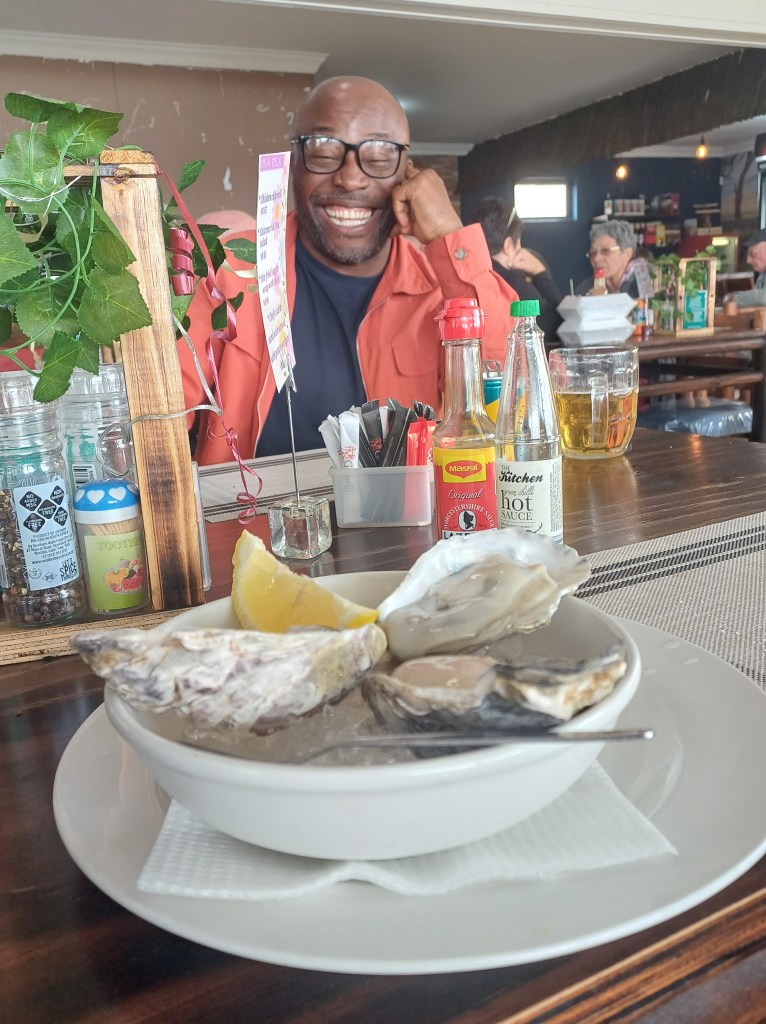
We stop for lunch in the town of Henties Bay. We find a great truck stop style café (Jakkalsputz Cafe Bar) that has amazing food. Dmeyer from our group reckons we have stumbled on the best oysters on the planet. Turns out the marine waters off Namibia are actually some of the richest in the world as a result of the Benguela Current – a cold-water nutrient-rich current coming up from the south.
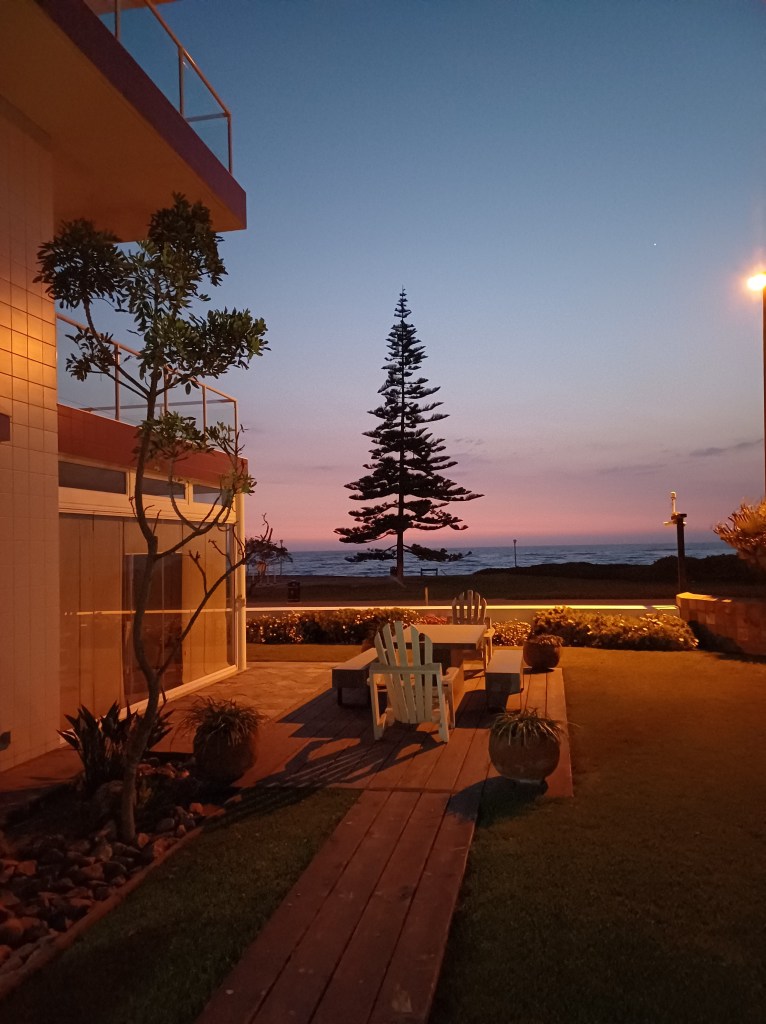
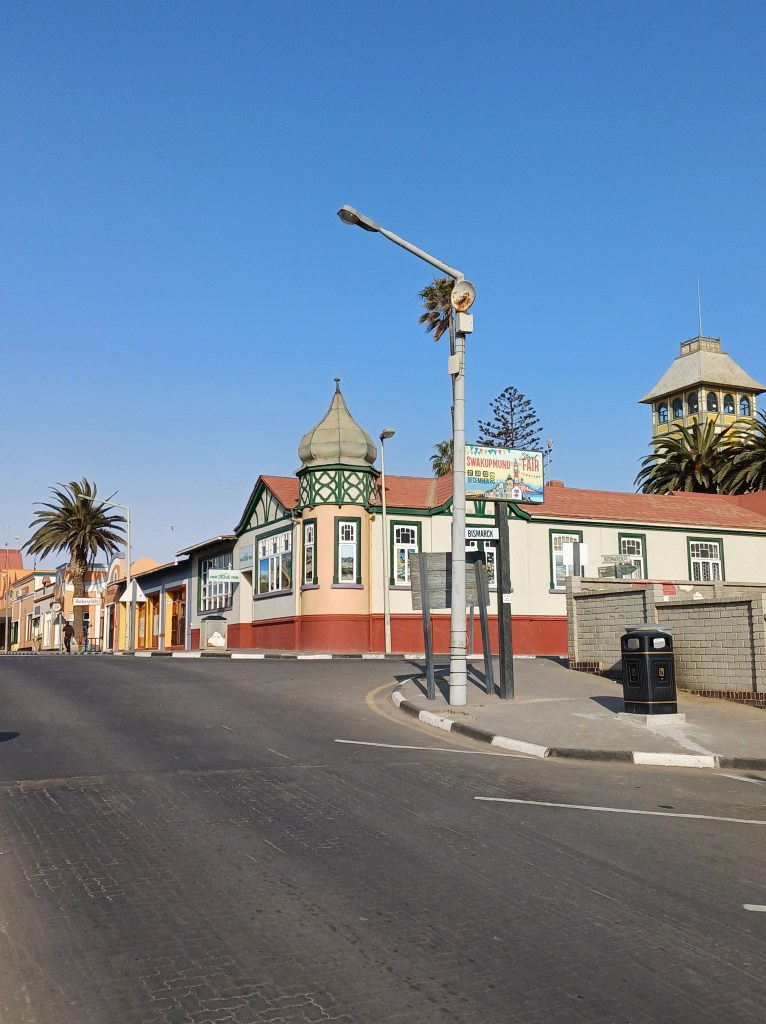
Our base on the coast is Swakopmund. This is the main tourist town on the coast and feels very German compared to everywhere else we have been so far. It was founded by the Germans in 1892 as the main harbour for the German colony and is the place to see loads of 19th century German colonial architecture.
Slight hiccup on the hotel bookings and five of us are given a flat for two days. We are not sure how they chose the five but reckon the youngest and most fun were selected! Anyway it was a great laugh in our Big Brother house and we all had dinner to celebrate at the excellent Kucki’s Pub. I got some decent Weissbier in here.
Day 6 is an early morning trip to Walvis Bay, the main port of Namibia which also serves Botswana and Zimbabwe. The recent port expansion was funded with Chinese investment. It turns out that Chinese investment is everywhere throughout Namibia. From Walvis Bay we take a catamaran trip where we see seals, whales and loads of pelicans. It was cold out at sea but fun. We go to The Tug in Swakopmund for dinner. This is a top place to eat in an amazing setting.

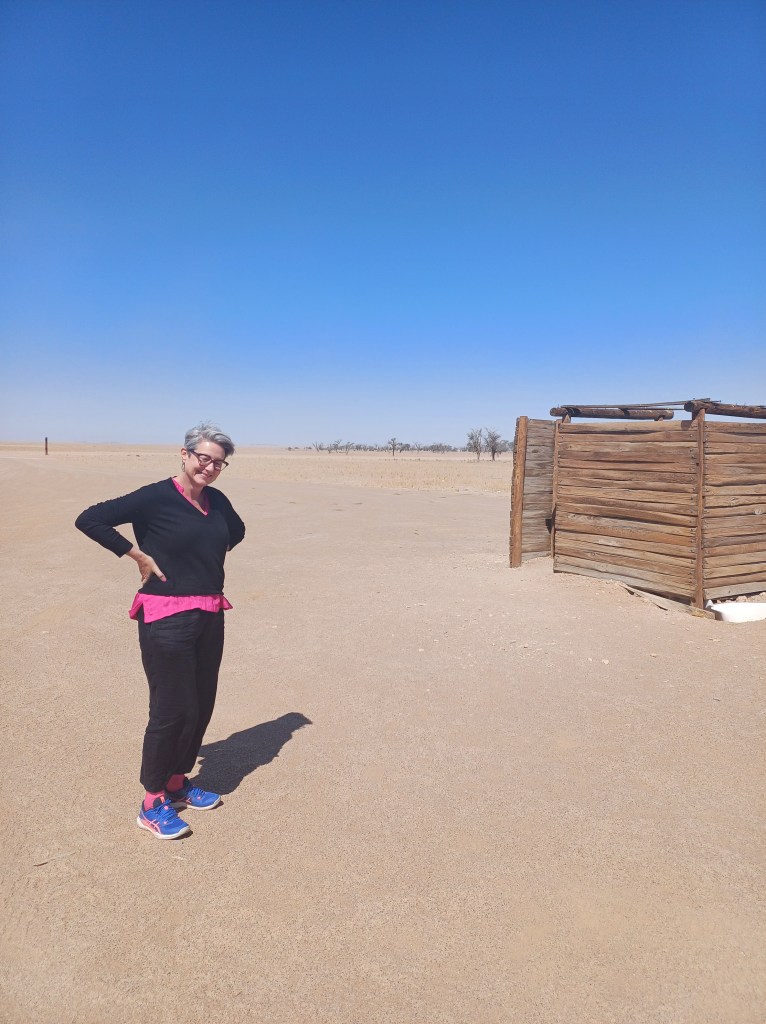
Next we are heading into what I consider to be the Namib desert proper. Flat plains initially then deep rocks and canyons and then eventually giant dunes, crossing the Tropic of Capricorn on the way. Facilities out here are few and far between. The tiny desert town of Solitaire is the only cluster of buildings of any note. If you ever do pass through Solitaire drop in for apple pie at the bakery.

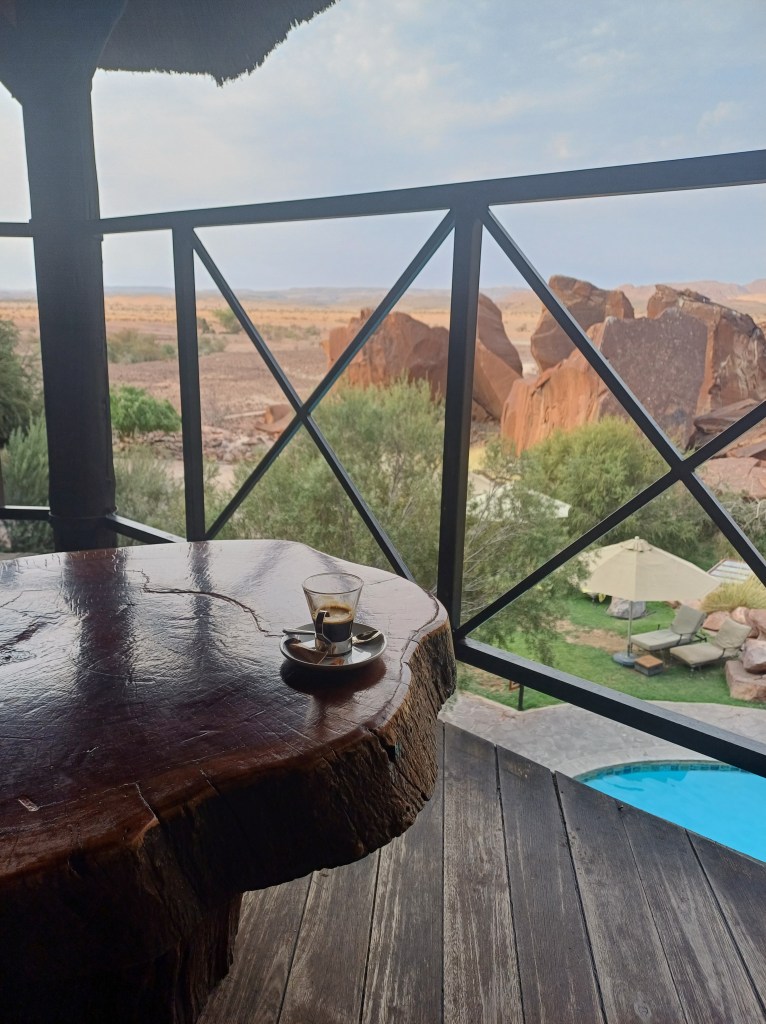
Our desert stay is two nights at the fab Agama Lodge. This is another plush place and a total oasis. Each lodge has a rooftop terrace and they set your bed up for outdoor sleeping if you want.
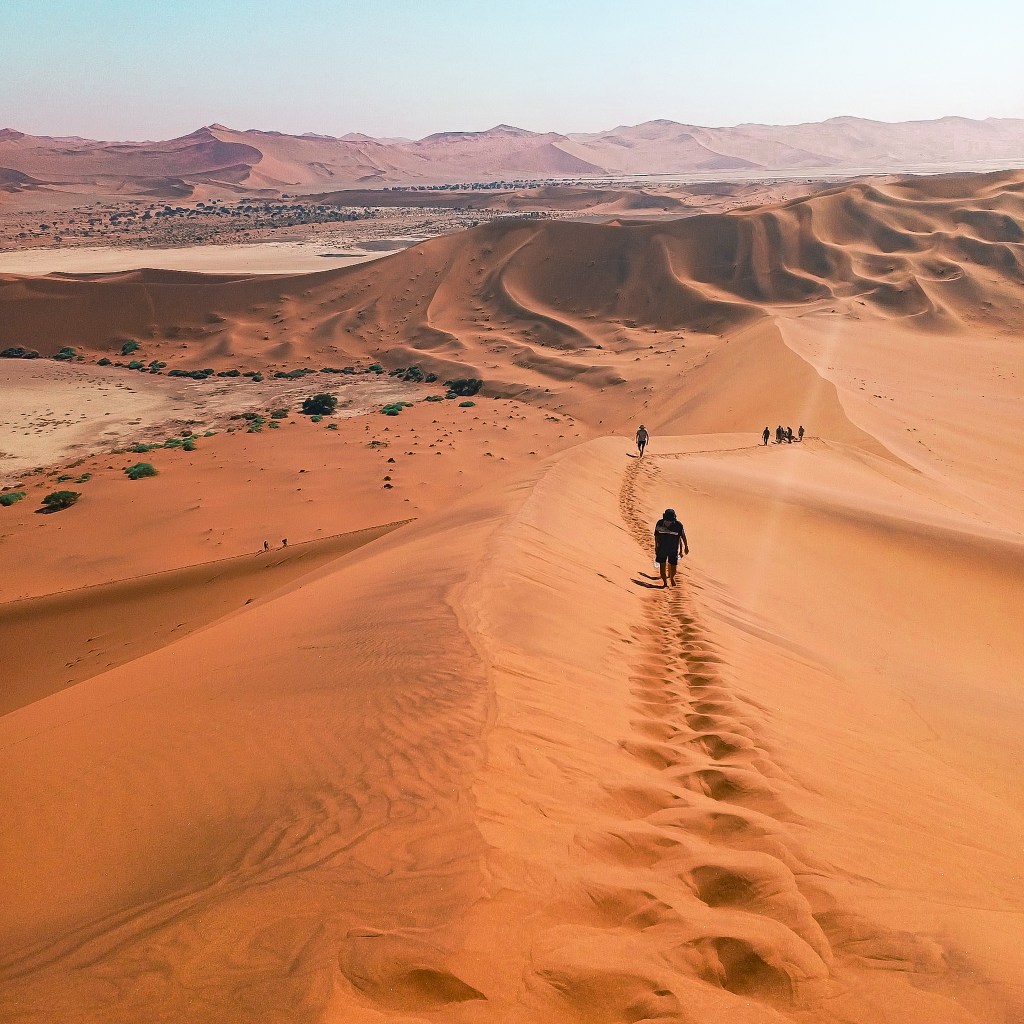
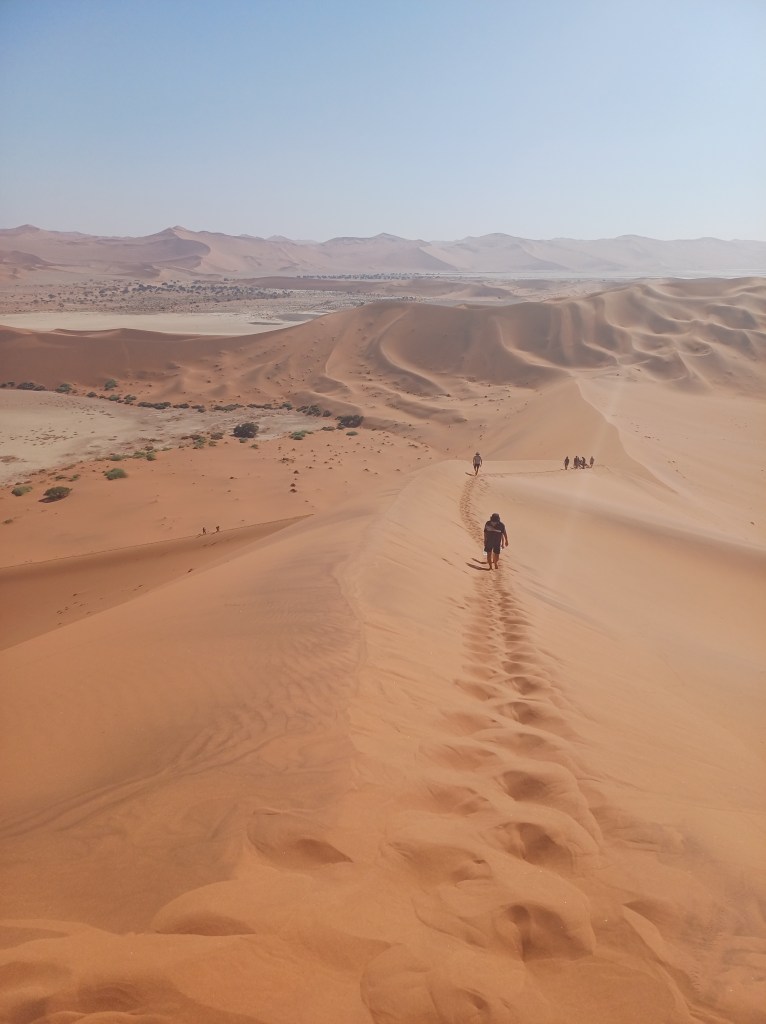
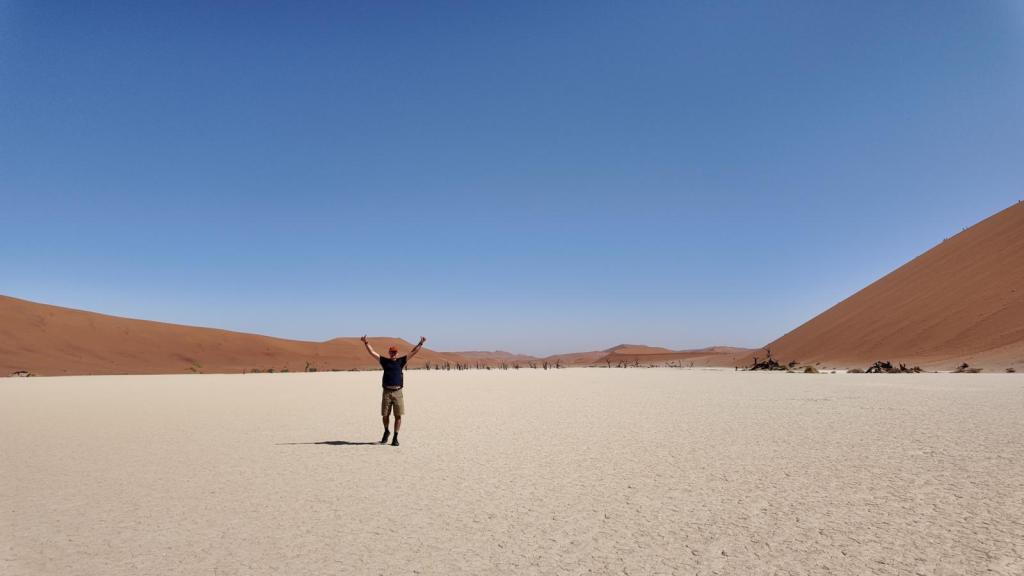
Day 8 is an early start. We are climbing Big Daddy, the 2nd highest dune in Namibia and 8th highest in the world, and we need to be there by 9ish. You simply can’t climb Big Daddy in the heat of the day. It was hard going but well worth it, especially running down off the dune and dropping into the Deadvlei white clay pan. Here you find spooky dead camel thorn trees. We are totally knackered that night and too tired for the 9pm scorpion spotting walk that the lodge organise. We do manage a bit of star gazing.
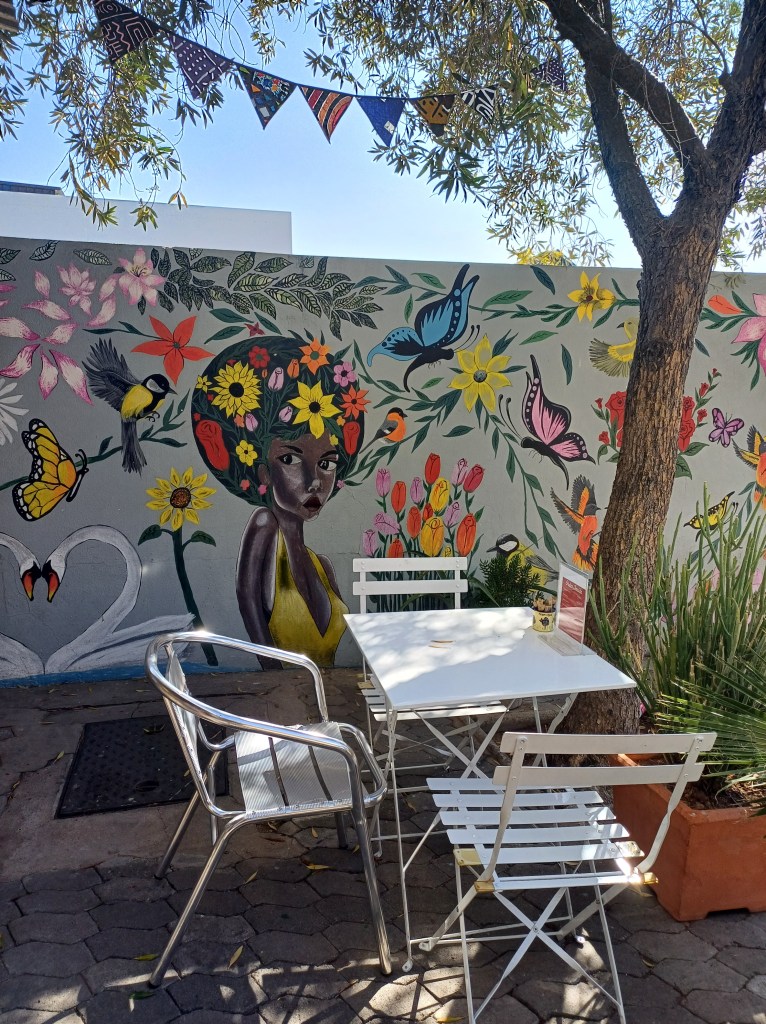
Our last full day involves a drive back to the capital Windhoek, followed by an afternoon city tour. Windhoek is a city of 450,000 and 40% live in the sprawling Katutura township on the edge of town which we visited – very informative but upsetting. I recommend the quirky Namibia Craft Centre where we stopped for a late lunch. The Big Brother house reunites for the last night at Joe’s Beerhouse, a Windhoek institution.
We chilled by the hotel pool the following morning preparing for the journey home. It was a long trip back – 23 hours door to door – and Addis airport was far less fun at 1am than it was on our way out. But none of this detracted from what was a top trip.
Post trip reflections:
Namibia has some of the most amazing landscapes on the planet I reckon. Travelling around is quite tiring as many of the roads are gravel and a car/group minibus is essential. There is virtually no public transport infrastructure. Only tour Namibia if you are willing to put in some hard car miles.
The country felt very safe, especially compared to my various trips to South Africa with work. Alfie said there was a strong financial safety net of family support in Namibia that guards against the effects of unemployment and keeps crime rates low.
September is a great time of the year to visit. It is very dry everywhere. Temperatures of 30+ in the interior and dropping to c15-18 degrees near the coast where it is a lot cooler, especially in the mornings where sea fog persists until about noon everyday.
Despite the implementation of some land reform policies, the 7% Namibian white population still own 70% of the land. This clearly isn’t fair nor sustainable. Better redistribution policies are needed in tandem to resolving the reparation package from the German government.
I loved the group adventure. It was the first time we have travelled in a group like this, and it was a great added dimension. Our age range was 29 to 75, all from the UK and it was fantastic getting to know them all. We will definitely do some more group trips.
PS. Not all the photos in this piece are my own. I pinched a few from Kunj Shah who was on our group. Top guy and top photographer/vlogger.
 LONG TIME DEAD
Leave a comment