
The Fell Bar Four (me plus three mates from Chorlton, Manchester) and two further mates from Birmingham and London head on another adventure. May 2024.
Post-communist development started relatively late in Albania and the country is now undergoing rapid transformation and modernisation – effectively playing catch up with others.
The capital Tirana is home to about one million people and accounts for a third of the population of Albania. It is flanked by mountains on pretty much all sides, and the city has the dual honour of being both one of the wettest and one of the sunniest cities in Europe. Fortunately for us our trip had none of the former and an abundance of the latter.
We arrive in town late on Saturday evening. It is 11.30pm but we are all still up for some meandering. Our first experience was amazing. The Orthodox Easter celebrations are underway and we witness a dramatic midnight candle procession flowing from the Resurrection Cathedral, one of the largest Eastern Orthodox churches in the Balkans, onto the streets of Tirana. Orthodox Christians actually only account for about 3% of the Albanian population, the vast majority (c60%) are Sunni Muslims.

After watching several thousand candles pass by we settle in for an hour at Kaon Bar on Rruga Deshmoret. This is a great little rustic bar with a giant tree growing through the middle and where locals seem to hang out. We sit outside and soak up some Tirana sights and sounds. The bar is on the edge of Blloku district, the focal point for Tirana nightlife, so well positioned for people watching. And the raki measures are massive.
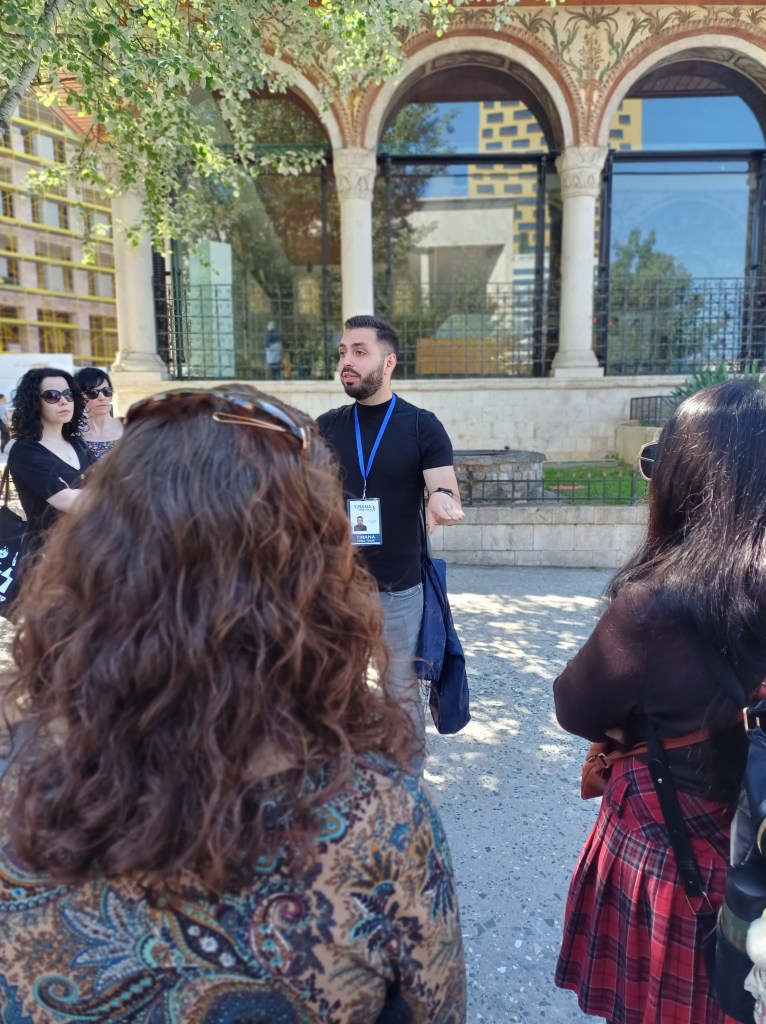
Next morning we enjoy a rooftop breakfast at our hotel – the superb and recently constructed Central Inn. We join the free walking tour that starts everyday at 10.00 in front of the Opera Building on the main Skanderberg Square. A good array of tourists are gathered in the morning sun and we get split into four groups – two English speaking tours, one Spanish and one Italian.

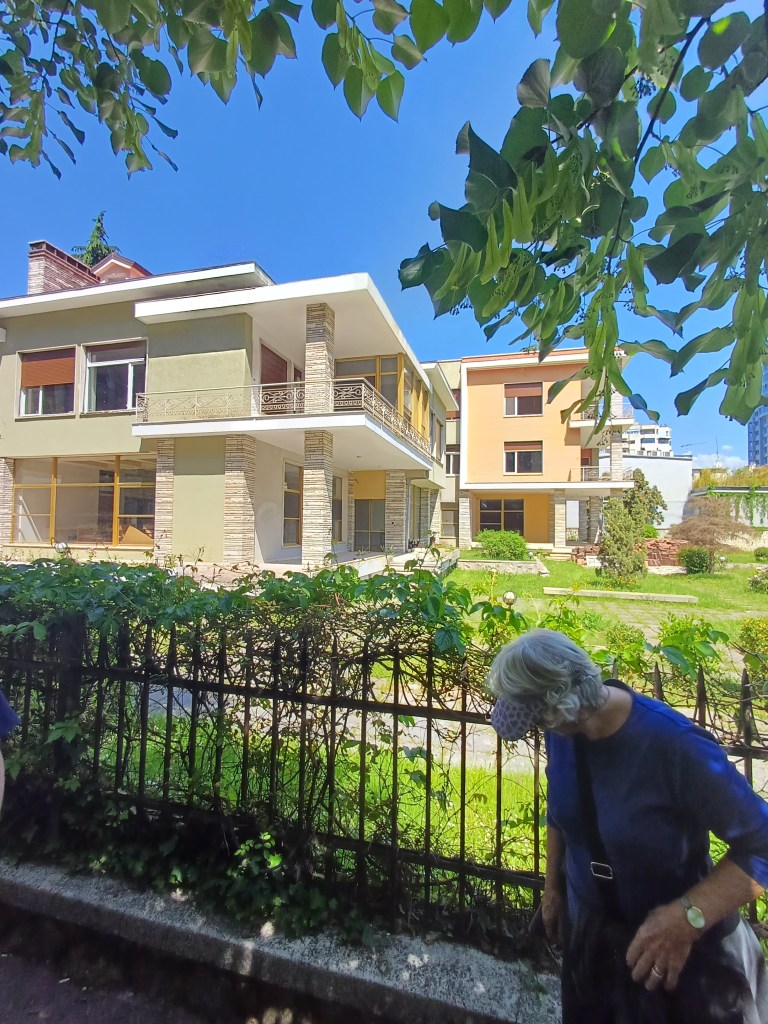
Enver Hoxha’s communist regime ran from 1945 to 1991 and its downfall triggered a decade of immense political upheaval and instability in Albania. Our superb tour guide Clint gives us a potted history of life in Tirana throughout this period stopping at key landmarks including the National Historical Museum, the Et’hem Bej Mosque and our first bunkers (more on bunkers later). We end up at Hoxha’s former residence. For mid-century lovers like me, the property is a dream.
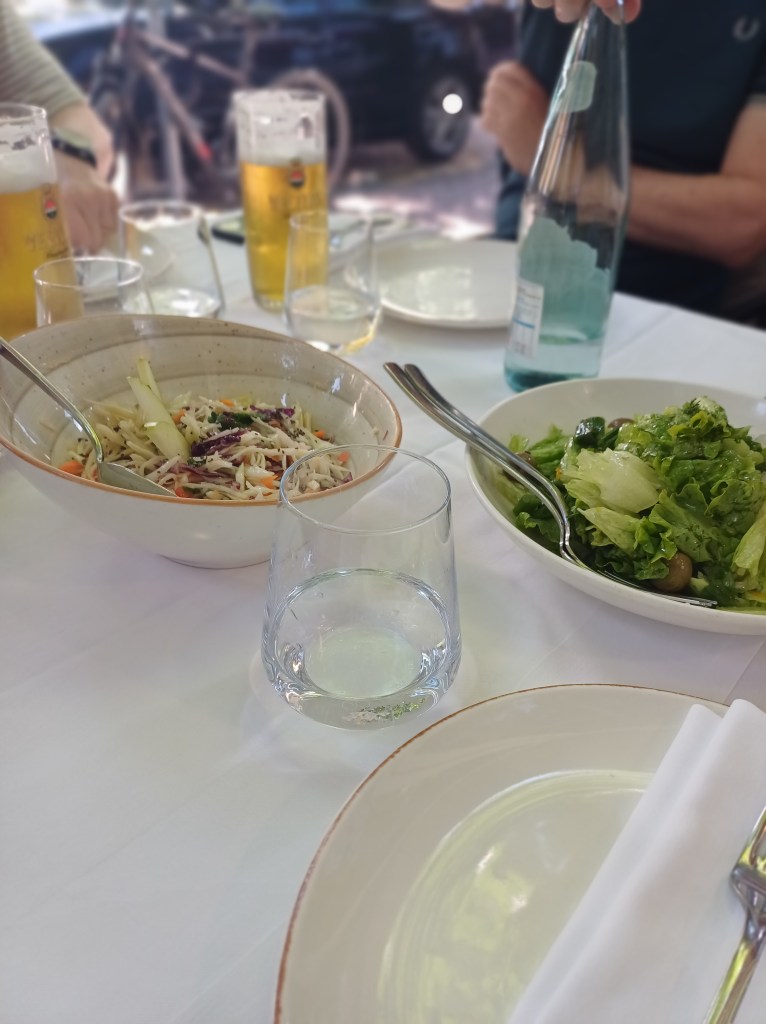
We have lunch al fresco at the superb Era restaurant. Grilled meat, salads and fresh bread is everywhere in Tirana. We didn’t see much fish on the menus but there were plenty of decent veggie options including nicely stuffed peppers and spinach and cheese Byrek which is very similar to Spanakopita in Greece. I found a good YouTube vlog on eating out in Tirana that also went to a few places we visited.
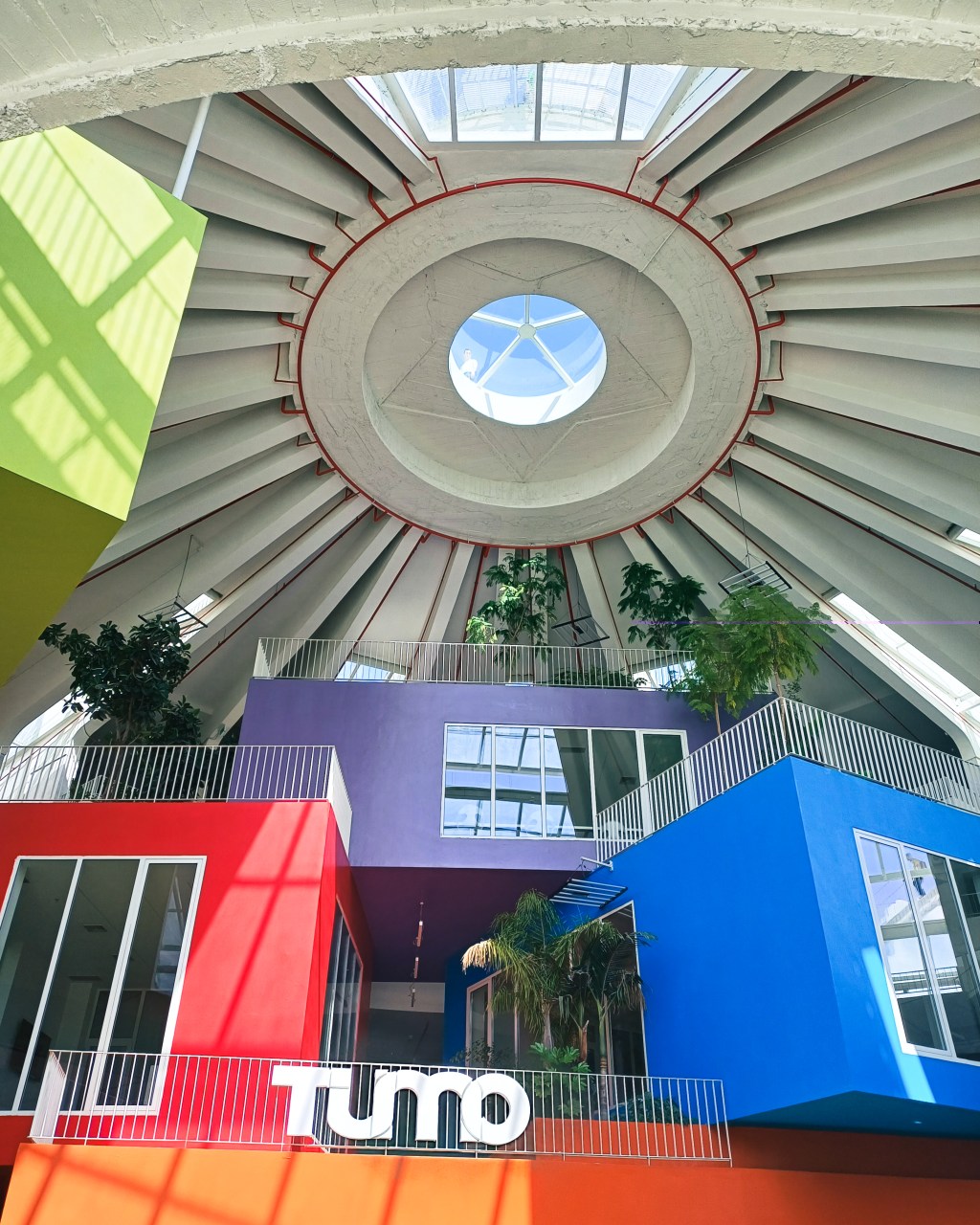
We continued the walking tour under our own steam in the afternoon. Highlights were the Air Stadium (the new national footy stadium seating 22,000 where we blagged a view of the inside) and the Pyramid of Tirana (built in 1988 as the Enver Hoxha Museum and now used for various art installations and great views). I was very impressed by the quality of the new buildings going up in central Tirana. Someone with authority has clearly insisted on, and potentially subsidised, some really distinctive architecture. It all makes my own city of Manchester look decidedly average.


That evening we have some early drinks at Komiteti Kafe Muzeum – a lovely bar with communist era artefacts dotted about and reminiscent of Budapest’s ruin bars. Dinner is in Oda Garden (no website) – a hidden garden eatery with heady smells of grilled meat and traditional live Albanian folk music. It was a good find followed by raki of course.
Monday morning we take a bus to the edge of town. We have two destinations on our radar, both of which are pretty much co-located about 4km north-east of the city centre.
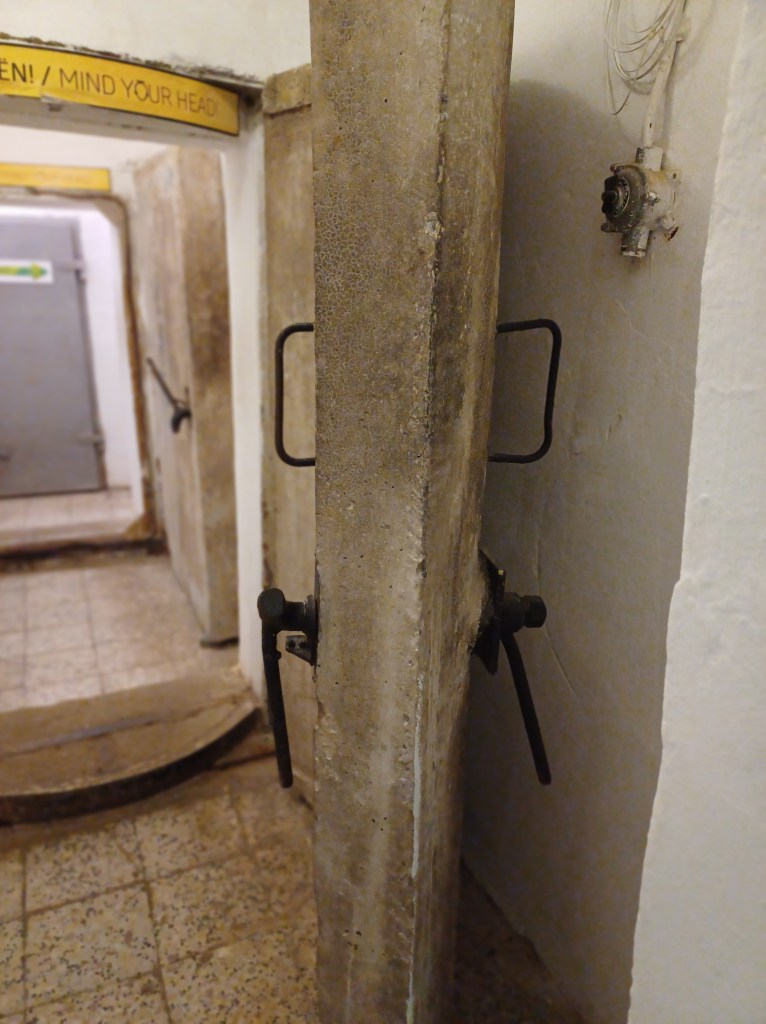
First up is BunkArt1. Hoxha’s programme of “bunkerization” saw an astonishing 750,000 concrete bunkers constructed throughout Albania between 1960 and 1980 to boost the country’s defence infrastructure. A few of these bunkers have been reimagined for alternative uses and BunkArt1 is probably the best example. It is a huge subterranean labyrinth with the 100+ rooms now used to tell the story of Albania’s recent history. The best bit is the huge Assembly Hall. Note : there is also a smaller BunkArt2 in the city centre.
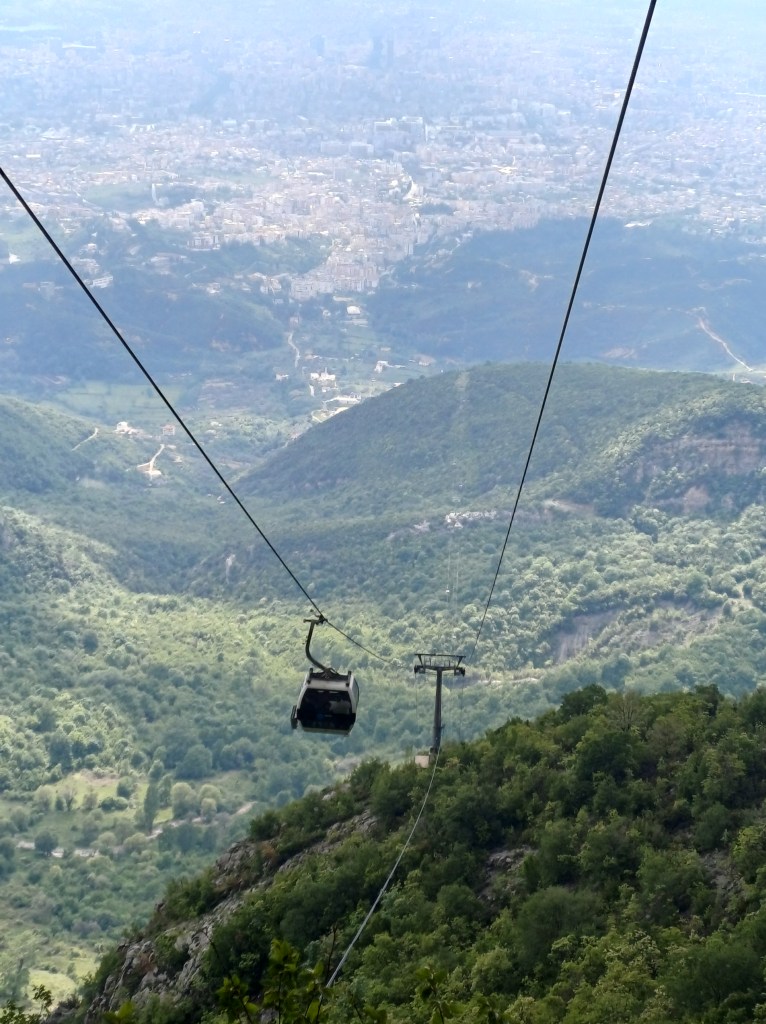
Second up is the Dajti Ekspres cable car to Dajti mountain. This is apparently the longest cable car in the Balkans at just over 4km and offers brilliant views back down over Tirana. It cost about 14€ return which is pricey for Albania but reasonable for UK pockets. We all had pizzas at the top, each of which turned out to be family-sized.
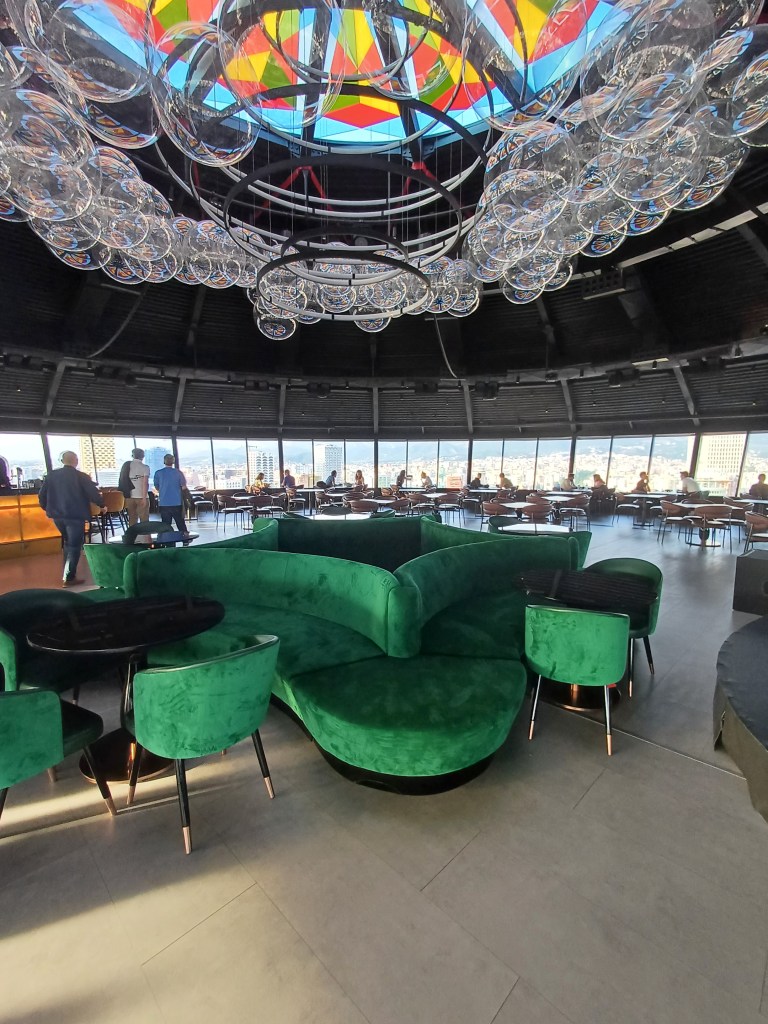
Pre-dinner drinks that evening are the best ever – not just of this trip but of all-time! We are in the Sky Club Panoramic Bar – a slowly rotating spaceship like structure on top of the 16-storey Sky Hotel. We spend 1 hour 20 mins here (I know precisely because we timed a full circle to complete) watching the glorious fading sunshine, drinking good beer and taking in the spectacular views.

Later we feast on yet more grilled meat and at midnight I finally get my portion of trilece (three-milk cake). I had seen a few people eating this traditional Albanian desert. It is soft, sweet and moist – and basically perfect.
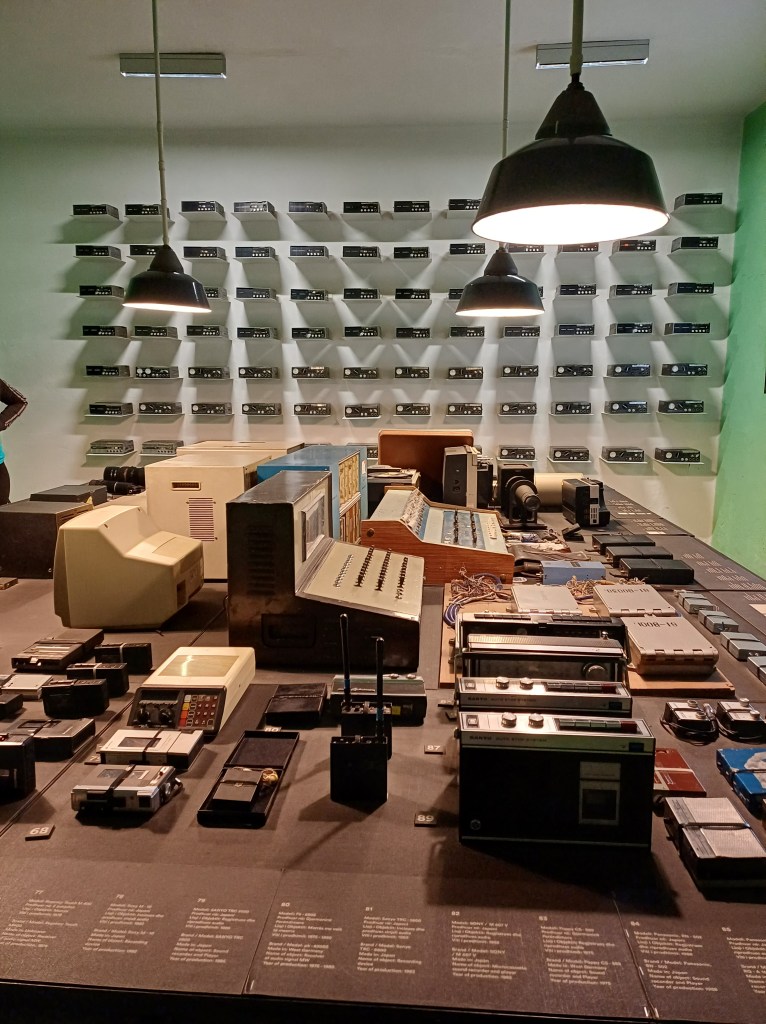
We use our final morning to go to the House of Leaves Museum – a place which is dedicated to the work of the Sigurimi (the Albanian secret service during the communist years). It is a fascinating, if slightly scary, place.

A final coffee stop is made at Librari Agolli – immediately opposite House of Leaves. Café culture is big in Albania. There are apparently more coffee houses per head of population in Tirana than anywhere else in the world. I think this is partly due to the historic influence of Italy on Albanian life but there is also an Ottoman-Empire-Style coffee culture going on where you linger over your expresso rather than slam it. Unlike many of the other blokes in this café (the cafes are full of blokes) we decline the opportunity for mid-morning rakis and grab a taxi to the airport.
Post trip reflections:
The tourism industry in Albania is booming, driven mainly by the beautiful coastline. I found Tirana a really interesting place and would definitely recommend it. Three nights in Tirana was perfect and can easily be combined with a few days on the coast.
Tirana has a compact central area and you can do nearly everything on foot. You may need the occasional bus. Buses are cheap – we paid 30p for our 30-minute trip to the edge of Tirana and that included an old-school bus conductor in the price!
The authorities in Albania are clearly seeking to improve perceptions of the country. They are concerned that external views are of a country dominated by gangsters and poverty. We found everyone to be engaging and super friendly and didn’t feel unsafe at any point. That said, don’t mess around in Tirana. I suspect the local blokes will quickly sort you out.
As always, it was great to spend time away with friends. We had a lot of giggles and learnt a lot together. Planning for 2025 has already started.
 LONG TIME DEAD
Leave a comment